 ⬇️
⬇️
Apple’s Foldable iPhone Plans Set Up a High-Stakes Year as AI Strategy Evolves
Key Takeaways
- Citi expects Apple to ship roughly 8 million foldable iPhones in 2026, rising to 20 million in 2027
- Analysts see the Google Gemini integration as a practical move to accelerate Apple’s AI roadmap
- Long upgrade cycles could help amplify demand once new hardware and AI experiences arrive
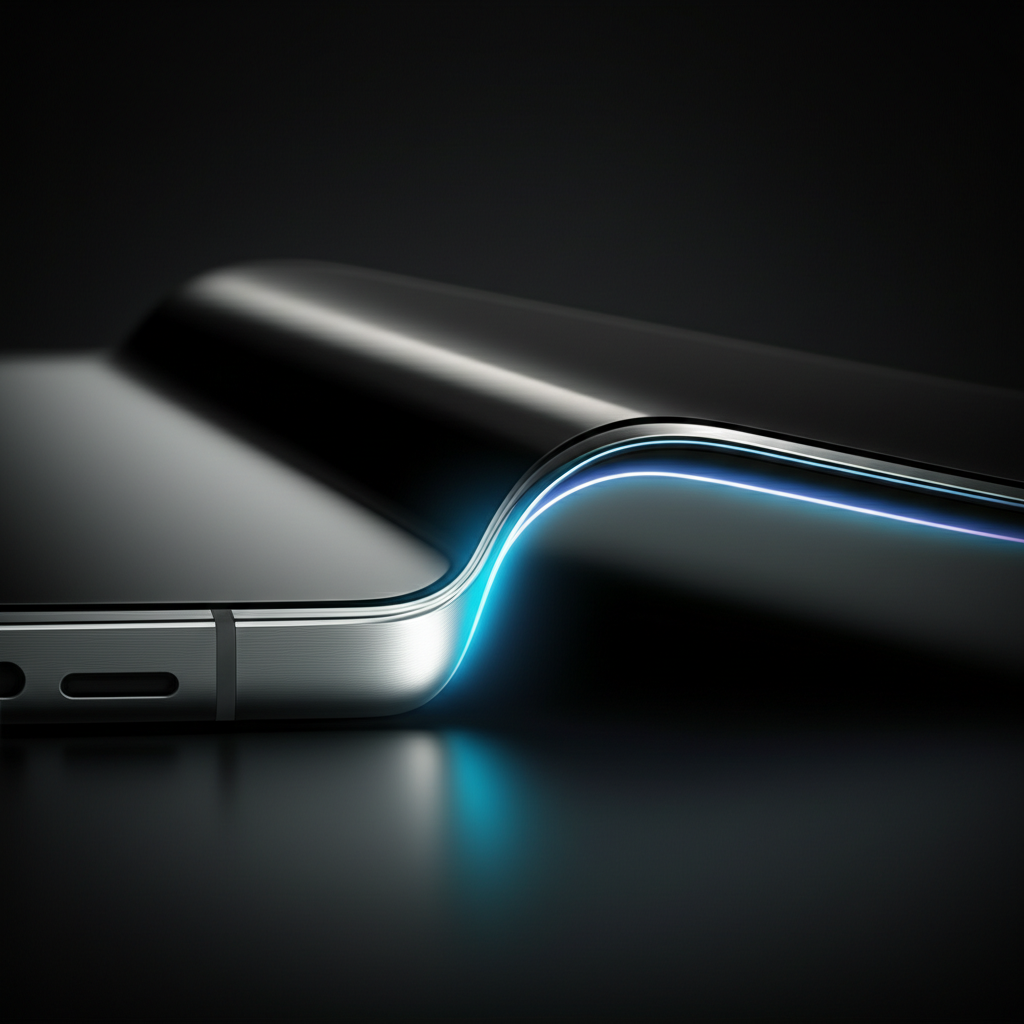
The foldables market has been waiting for a signal from Apple, and it now appears one is coming. Citi analyst Atif Malik says the company is preparing to enter the category with a premium device priced around $2,000. That figure alone is enough to give some consumers pause, but investors may see things differently. Malik projects a relatively modest launch year with about 8 million units shipped in 2026, followed by a sharper ramp to 20 million units in 2027. For Apple, those volumes would still represent a small share of its iPhone base, though meaningful enough to affect its product mix and margin profile over time.
Here’s the thing: the timing intersects with a rare soft stretch for the company’s stock. Apple has trailed the S&P 500 over the past year, gaining 11% against the index’s 15% rise. Its shares have also slipped 6% to start the year, making it one of the laggards within the cohort often referred to as the Magnificent Seven. Some of that underperformance is tied to money flowing toward AI-first businesses, which has raised questions about Apple’s competitiveness in the current cycle.
The foldable, however, isn’t the only catalyst analysts are watching. A new AI partnership with Google is set to bring Google’s Gemini models and cloud infrastructure into Siri. If that sounds like a change in direction from Apple’s historically insular approach, it is. But it’s also a concession to the reality that generative AI models demand enormous computing resources—resources Apple has not fully matched on its own. Some observers frame the deal as an admission of being behind. Others note that getting better AI capabilities into consumers’ hands is more important than insisting on building everything internally. And for enterprise-facing developers, the signal here is that Apple is ready to move more aggressively where AI performance matters.
One-third of new iPhone buyers in the US are hanging onto their phones for three years or longer. That’s a surprisingly sticky number and a reminder that hardware innovation cycles have stretched. According to Consumer Intelligence Research Partners, 70% of active iPhone buyers in 2024 were using devices at least two years old, an increase from 66% the prior year. A fresh device category could help jolt those replacement patterns. BofA’s Wamsi Mohan says both the foldable launch and an upgraded Siri using Gemini could drive higher upgrade activity.
There’s another layer to this, though. Apple is confronting renewed trade tensions involving the US, Europe, and China, which has created friction in several of the company’s most important markets. That isn’t just a geopolitical footnote; it affects supply chains, pricing strategies, and consumer sentiment. Margin pressure from rising memory costs has already led Citi’s Malik to trim his price target to $315 from $330. That adjustment doesn’t alter his Buy rating, but it does underscore how crowded the headwinds have become.
In some ways, the AI partnership is where expectations need the most context. Apple has long differentiated on-device performance, privacy, and hardware-software integration. The shift toward large-scale cloud AI services introduces design and strategic tensions. For developers building enterprise workflows or customer-facing mobile experiences, the jump to Gemini-backed Siri could enable a more capable voice interface—though it also expands Apple’s reliance on a partner for foundational AI. Is that a long-term compromise or simply a short-term bridge? That debate is still unfolding.
The broader takeaway here is that Apple’s pivot aligns with a shift many businesses are already navigating: AI no longer lives in isolation; it shapes product-roadmap decisions, device capabilities, and customer expectations simultaneously.
Back to the foldable discussion for a moment. Premium pricing has never been a barrier in Apple’s strategy when differentiation is clear. The bigger question is whether today’s buyers, already accustomed to high-end phone costs, see the foldable form factor as compelling enough to justify the next upgrade. Samsung, Google, and others have shown the market can support these devices, but Apple’s entry will change competitive benchmarks almost overnight. Some consumers will switch solely for the larger display or novelty; others will wait to see how the design holds up in real-world use.
Analysts generally agree that 2026 won’t be a breakout year in unit volume. But early adopters tend to shape the narrative for the mainstream, and Apple has historically used iteration to turn niche products into category leaders. Meanwhile, the integration of Gemini-backed AI into Siri could quietly become the more transformative milestone, especially if it begins to nudge users into new behaviors that rely on conversational interfaces instead of touch-first navigation.
Put together, Apple is moving into a year where both hardware and AI strategies are shifting at the same time. That combination doesn’t guarantee a turnaround in share performance, but it does create a more dynamic story than the one investors have been living with over the past twelve months. Whether the foldable iPhone becomes a flagship hit or simply a stepping-stone device, it signals that Apple is no longer content to sit out the segments reshaping the broader tech landscape.