 ⬇️
⬇️
Key Takeaways
- Carlisle School District contacted law enforcement after an AI-generated school image circulated online, although the post contained no direct threat.
- The incident shows how synthetic media can trigger operational disruption and reputational damage even when its creator may view it as a joke.
- Provenance records, rapid verification procedures and careful communication can help schools and other organizations assess viral content without amplifying it.
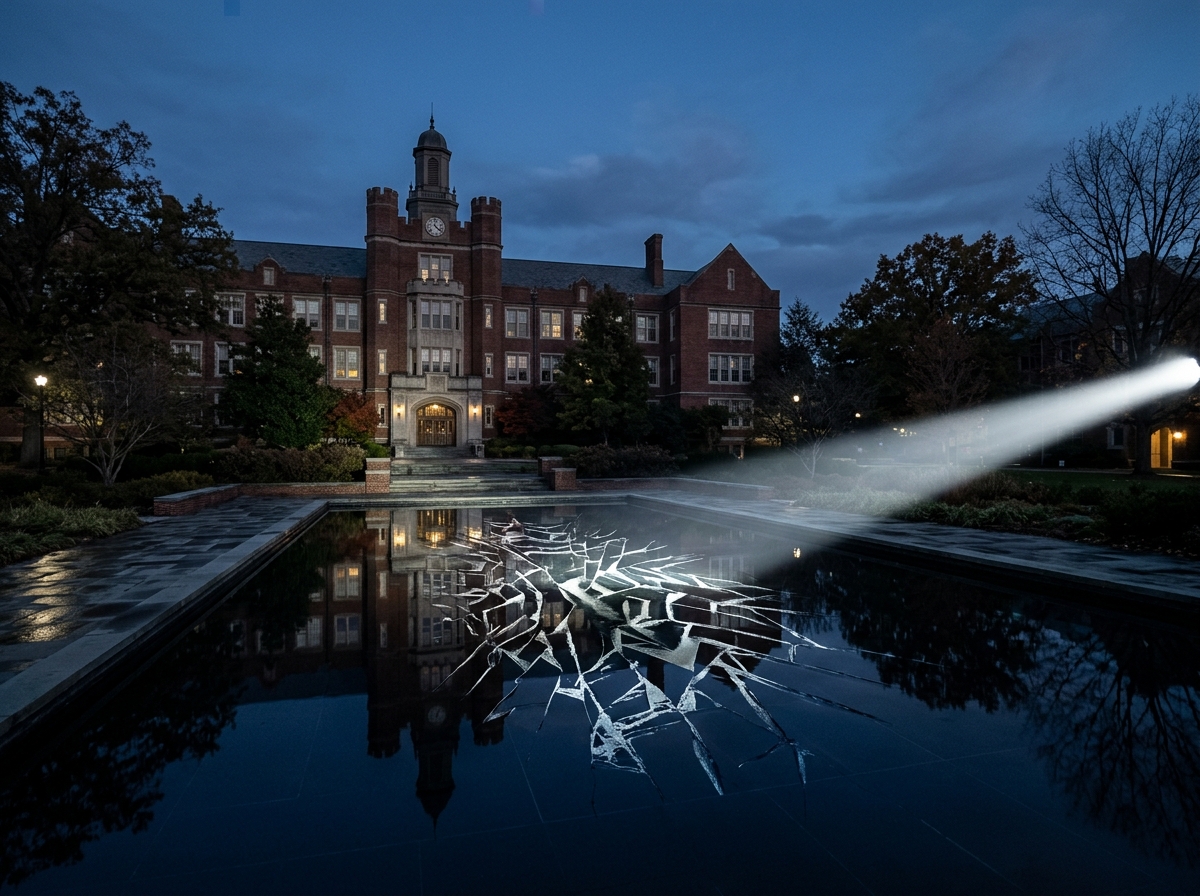
Carlisle School District contacted Arkansas State Police, local police and its school resource officers after a disturbing social media post used an AI-generated image of Carlisle High School.
The image showed the school building at night, with a Cat in the Hat figure and two trash cans nearby, according to the district superintendent. No direct threat was made against Carlisle High School, and school operations continued normally. Still, the imagery was unsettling enough for administrators to escalate the matter and notify the school board, staff and community.
“It may start out as a joke, but it’s not a joke and you have to take things serious like this,” the superintendent said.
That distinction matters. A synthetic image does not need to contain explicit threatening language to generate fear, consume investigative resources or disrupt confidence in an institution. Schools occupy an especially sensitive position because ambiguous content can spread among students, parents and employees before officials have established its origin or meaning.
The original post was later deleted or became inaccessible. That creates another practical problem: disappearing content can remove useful metadata, account information and distribution clues just as administrators and investigators begin evaluating it. Screenshots preserve what viewers saw, but they may strip away context and provenance information that could help establish where the material came from.
Officials also learned that similar posts had appeared involving other schools, including Pocahontas. The nearly identical format suggested the Carlisle post was part of a wider social media trend rather than an isolated piece of content. That context may lower the likelihood that one image represents a specific plan, but it does not eliminate the need to assess each post individually.
Schools must quickly distinguish a tasteless meme from an early warning signal to protect students without causing unnecessary panic. There is no single detector that resolves that question. Technical analysis, account history, platform records, local context and law enforcement judgment can all contribute.
NIST guidance on synthetic content emphasizes a layered approach that includes provenance tracking, labeling or watermarking, detection, and testing methods. NIST’s Forensics Deepfake Evaluation program is also developing benchmarks for assessing detection tools under realistic conditions. These efforts reflect an important limitation in the market: detection output is evidence, not a definitive verdict.
Provenance could help narrow the gap. C2PA Content Credentials are designed to attach tamper-evident information about a file’s origin and editing history. Adobe Content Credentials, Microsoft and Google have promoted related provenance or safety measures. Yet adoption remains uneven, and social platforms may alter or remove metadata when media is uploaded, downloaded or captured again. An image without credentials is not automatically deceptive. It is simply harder to authenticate.
The broader governance picture is evolving too. The FTC has warned that deceptive uses of artificial intelligence can fall within its authority over unfair or deceptive practices. UNESCO has meanwhile focused on how education systems can address generative AI through governance, verification and media literacy. Neither approach replaces school safety procedures, but both point toward treating viral synthetic media as unverified until its source and context are established.
Community reaction in Carlisle illustrated why that approach matters. A local resident said she initially assumed the video was AI-generated but still found it disturbing. A community member encountered it while browsing TikTok and noticed comments referring to other area schools. “It was still a little scary, the picture itself looked like something you’d see in a horror movie, with the cat in the hat,” the community member said.
For technology leaders, the episode is a small-scale incident with broader operational lessons. Response plans can define who captures evidence, contacts platforms, coordinates with law enforcement and communicates with stakeholders. Staff also benefit from guidance against repeatedly reposting questionable material, since amplification can expand its reach and complicate the response.
Law enforcement continues to investigate who created the post and where it originated. The superintendent said the Carlisle School District would follow its disciplinary policies if the person responsible is identified as a Carlisle student. For now, there remains no direct threat against Carlisle High School. The district’s response nevertheless shows how inexpensive synthetic media can impose investigative costs and community distress on schools long before investigators determine whether its creator intended harm.