 ⬇️
⬇️
Key Takeaways
- Colorado Springs approved the Project Taurus development plan on June 11, 2026, triggering a formal appeal period through June 22.
- Community-driven revisions include relocating generators, adding a 30‑foot sound wall, and implementing extensive noise-monitoring and auditing measures.
- The dispute reflects broader national tensions around power, water, land use, and environmental impact associated with expanding data center infrastructure.
The administrative approval of Raedan's Project Taurus has intensified a months-long debate in Colorado Springs about how to balance local development priorities with community expectations and environmental concerns. The City of Colorado Springs Planning Department issued its decision on June 11, 2026, clearing the way for the conversion of an existing industrial building at 1565 High Tech Way into a data center facility. The move immediately opened a window for public appeals that closes at 5 p.m. on June 22, 2026.
Data center siting tends to draw scrutiny even in regions eager for high-tech growth. Analysts at the International Energy Agency have reported that data centers already consume roughly 1% to 1.3% of global electricity, a share that could more than double by 2030 without efficiency gains. That forecast feeds local anxiety about the load on municipal grids, noise from mechanical equipment, and overall environmental footprint. Communities across the country have taken similar positions, and Project Taurus is now part of that conversation.
The developer plans to reuse an existing structure within a 21.96-acre business park zone, demolish older utility buildings, and add chiller and generator yards to support the data center's operations. Mechanical equipment will be shielded with sound-attenuating fences. For some residents, however, the way the approval notice was communicated has been just as important as the technical plan. A representative of Integrity Matters noted frustration over learning of the administrative approval through a late Friday email and questioned the timing.
The project's COO addressed those concerns directly, stating that the timing aligned with the city's published decision deadline. The executive's remarks also underscored the emotional nature of local data center debates, pointing out that the process has been highly scrutinized and that while the company would prefer it to be easier, it intends to stick to verifiable facts. Developers often need to operate transparently while not being positioned as spokespeople for municipal agencies.
Analysts have noted that data center investment patterns frequently follow state incentives. Studies from firms like McKinsey have shown that states offering tax exemptions or credits tend to see 40% to 70% more investment activity than states without such benefits. Colorado has been weighing its own approach through efforts like the Data Center Workforce, Clean Energy, Grid Modernization, and Consumer and Environmental Protection Act. That policy backdrop shapes expectations for projects like Taurus and invites questions about whether local approvals are keeping pace with regional infrastructure demands.
The site previously hosted activity tied to Bitcoin mining, which carried its own noise issues. That history has magnified attention to sound mitigation for the new design. The project team responded by relocating generators farther from the nearby neighborhood to the north side of the building toward Garden of the Gods Road. It is a simple shift on a site map, yet meaningful for residents who have been seeking clearer separation.
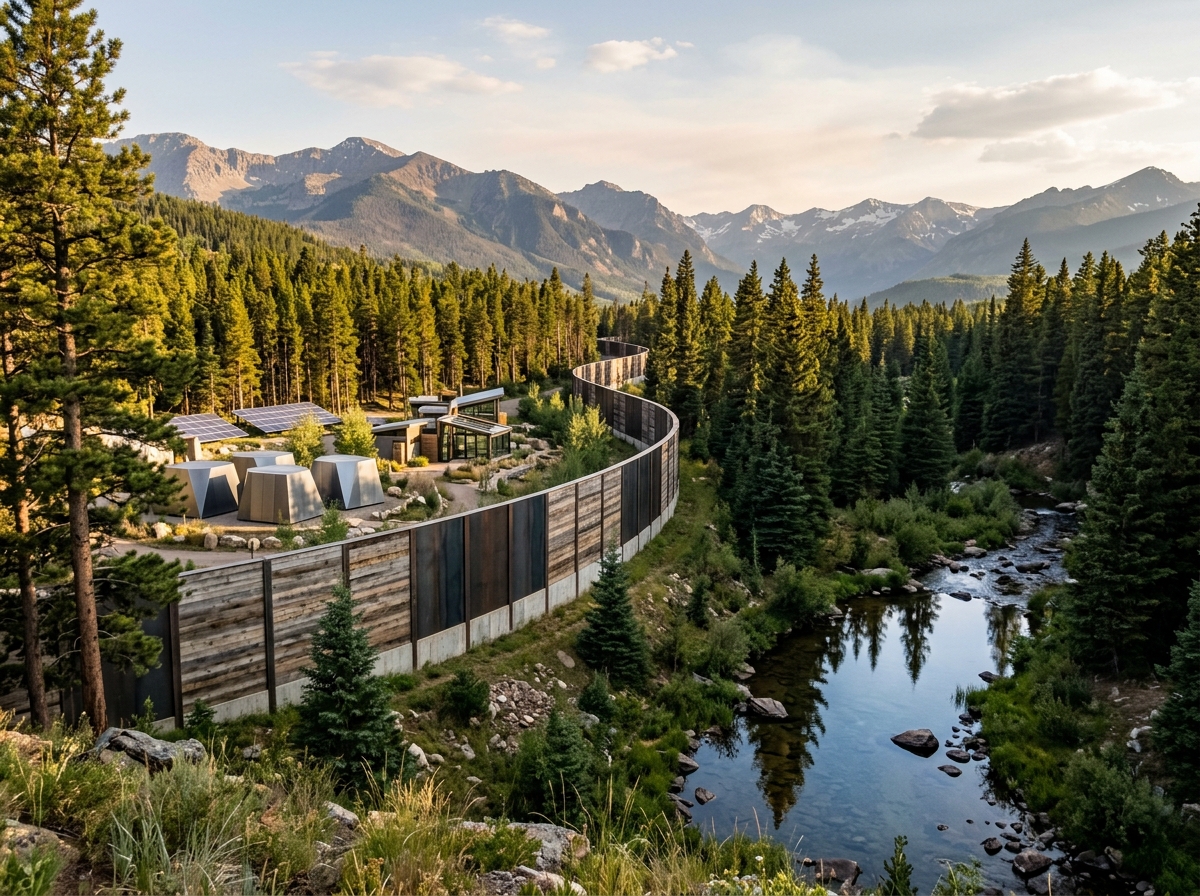
A 30-foot sound wall will run along the property boundary to provide visual buffering and support wildlife along the walking path. Engineers will complete at least five sound studies, with operational processes codified in a contract. Local governments have felt increased pressure as global data center traffic is projected to reach 26.0 zettabytes annually by 2026, according to the Cisco Global Cloud Index. Larger volumes of computation tend to be paired with stronger oversight from residents who want assurances that facilities fit their community's long-term well-being.
Another area where Raedan attempted to ease tensions involves continuous monitoring. The company will pay for a noise monitoring system positioned both at the property boundary and within the neighborhood. Data will be integrated into internal systems with monthly transparent reporting. The inclusion of a $1 million bond also stands out. If the developer fails to address defined issues, the city would have the ability to call the bond to pay for required remediation. Bonds of this type have become increasingly common in infrastructure projects that face regulatory complexity.
An evergreen clause stipulates that any future owners of the property would inherit the same obligations, which has been a sticking point in other markets where ownership transfers interrupted mitigation agreements. This type of clause reflects patterns that groups like the Uptime Institute have discussed regarding long-term facility accountability and best practice alignment in multistage development reviews.
At the same time, the company agreed to fund a third-party audit of post-construction work, another community request. Plans are still being drafted for city and neighborhood review. Environmental considerations also received attention as planners involved biologists and ecologists from Garden of the Gods Park along with state experts.
Company leadership noted that the approval process began with fear, distrust, and months of effort, capturing a broader trend seen in municipalities nationwide that are evaluating data center proposals in the face of power constraints, land-use debates, and increasing public engagement. NASCIO and other public sector analysts have observed similar friction points emerging as digital infrastructure expands, especially when power and water limitations come into focus.
If no appeal is filed by the June 22, 2026, deadline, the administrative approval stands and development proceeds. The developer intends to finalize community agreements alongside the construction kickoff as the project moves toward execution.