 ⬇️
⬇️
Key Takeaways
- Restaurant operators often struggle with fragmented technologies across payments, ordering, and inventory
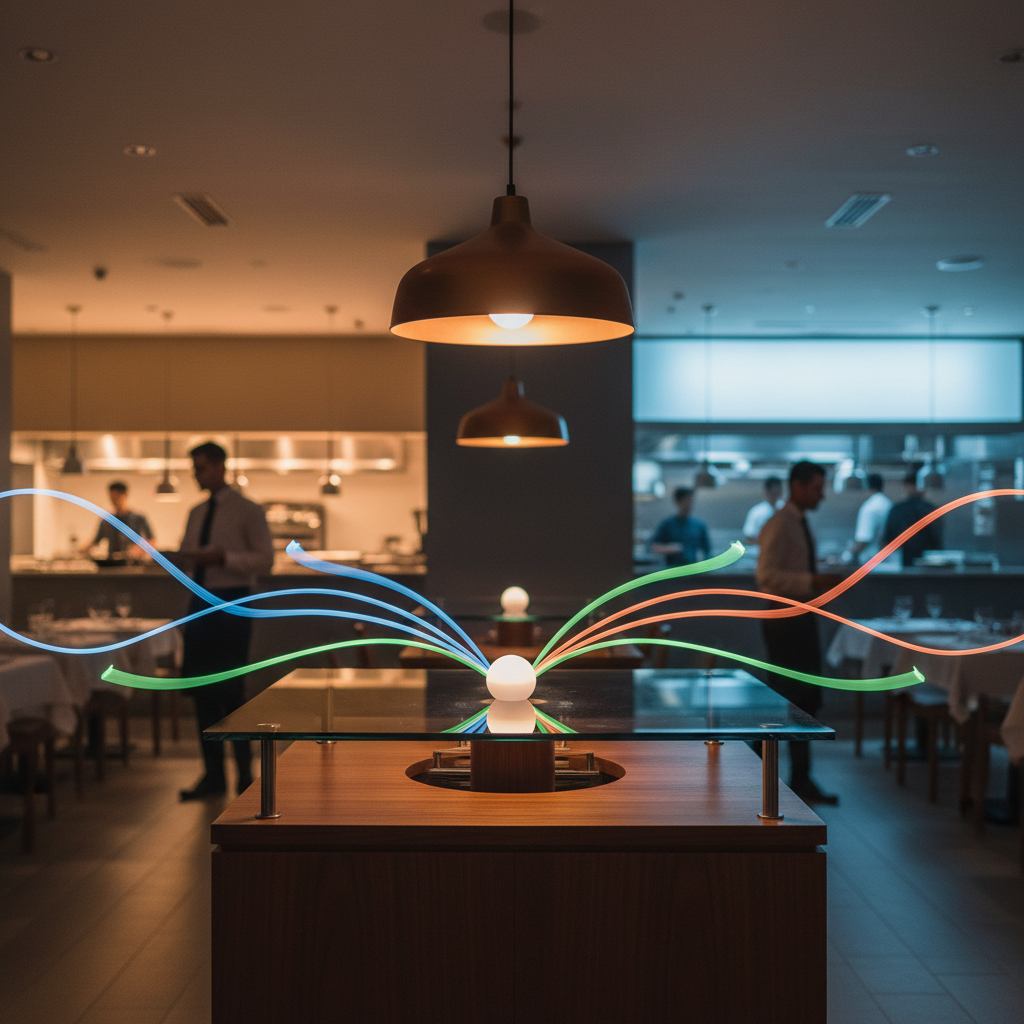
- Modern POS platforms focus on unifying front and back of house workflows while staying flexible
- Solutions that connect payments, online ordering, and operational data tend to reduce friction for staff and guests
Definition and overview
Most restaurant leaders I talk to start with the same core frustration. They are stuck managing too many tools that do not talk to each other. A POS for taking orders. Another system for online menus. A separate processor for payments. Maybe a staff scheduling tool tacked on at the end. When the night gets busy, these disconnected systems show their limits. Tickets get lost, delays creep in, and managers end up troubleshooting when they should be checking on guests.
That is why conversations about Point of Sale Systems often center on simplicity. Not cosmetic simplicity, but consolidation of the moving parts that run a service. Restaurants have leaned heavily on digital workflows over the past decade, especially as guests expect quick service and flexible ordering options. The challenge is choosing a platform that can keep pace without adding unnecessary complexity.
In this context, Square approaches the restaurant POS question by merging payment processing, in-person ordering, and online channels into a connected set of tools. This type of setup answers one of the most common questions operators have, which is whether a POS can reliably handle both front-of-house and digital orders without forcing staff into workarounds.
Key components or features
A modern restaurant POS usually includes several layers. Payment processing is the obvious one, but it is rarely the hardest part. What tends to make a difference is how ordering, menus, modifiers, and real-time availability sync across all locations or service stations. When you update a menu item, does it flow instantly to online ordering? If you run out of an ingredient, can staff mark it as unavailable without jumping through hoops?
Hardware also plays a role. Some operators want fixed terminals because they provide a sense of structure during rushes. Others prefer handhelds because they shorten the distance between server and guest. There is no universal answer, although the trend has shifted toward flexible hardware that pairs with cloud-based software so restaurants are not locked in.
Another common topic is online ordering. Restaurants increasingly need a native ordering channel that does not force them to rely solely on third-party marketplaces. A POS that integrates ecommerce ordering, menu management, and payment acceptance can reduce manual entry and limit errors. Customers notice this more than some operators expect, especially when order accuracy improves.
A small tangent here. The question of integrations still comes up often. Even when operators want an all-in-one system, they usually need hooks into accounting, payroll, or marketing tools. The restaurants that fare best tend to choose POS platforms that allow optional integrations without requiring them.
Benefits and use cases
For multi-location groups, the biggest advantage of a unified POS is operational consistency. If a regional manager can view sales performance, labor metrics, and inventory signals from one source, they spend far less time piecing together spreadsheets. This matters even more when the organization runs different formats such as quick service, full service, or hybrid counter service models.
Single location restaurants see different benefits. They often point to faster training and fewer steps per order. Staff do not need to remember which screen to tap or which terminal handles which type of payment. In a busy dining room, those seconds stack up. Some operators describe it as reducing the cognitive load on their team.
There is also the matter of customer experience. Digital receipts, saved payment methods, table-side ordering, and online pickup windows all shape how guests perceive the brand. A POS that can coordinate these interactions reduces friction. It also provides a more accurate picture of demand patterns, which helps with labor and prep decisions.
Here is the thing many newcomers underestimate. When a POS system handles both on-premise and off-premise channels well, restaurants become more resilient. They can test new service models, pilot limited menus, or shift staff around without rebuilding their entire workflow.
Selection criteria or considerations
Restaurant buyers evaluating POS platforms often ask similar questions. Will the system slow down during rush hours? How easy is it to update the menu? Does the provider offer payment processing or do we bring our own? And what happens if the internet goes down?
Reliability is usually the top priority for enterprise groups. They want to know that the provider manages both the software layer and the payment rails in a predictable way. They also look closely at how data flows. If reporting is delayed or inconsistent, it makes multi-location management nearly impossible.
Mid-market operators, on the other hand, often emphasize staff experience. They want intuitive screens that require minimal training and support resources that respond quickly when issues arise. Some ask whether the POS can support both table service and counter service because formats continue to blur.
Another consideration involves ecommerce ordering. Restaurants that want to grow digital sales look for platforms with built-in online ordering or the ability to sync menus seamlessly. A few choose to integrate with external ordering tools such as Chowly, but they still prefer that the POS acts as the system of record.
A small but important point. Many buyers wonder about long-term scalability. Not in flashy terms, but in quiet ones. Can the POS handle a second location without reconfiguring everything? Can it support a new kitchen workflow like expo screens or timed firing? These questions matter more than they seem at first.
Future outlook
Looking ahead, restaurant POS systems are drifting toward more connected ecosystems. Payment processing, online ordering, and in-store operations are merging into unified experiences. Some platforms are experimenting with features like automated inventory suggestions or real-time kitchen load balancing, although adoption varies.
What is clear is that restaurants want technology that adapts without forcing them to rethink their entire model. Providers that link the physical and digital sides of service in a cohesive way tend to gain trust. And as operators continue to evaluate their options, the emphasis will likely stay on systems that reduce complexity rather than add to it.