 ⬇️
⬇️
Key Takeaways
- Manufacturers are facing new pressures that demand stronger, more adaptive data protection strategies.
- Evaluating solutions requires looking beyond tools and into operational resilience, recoverability, and partner expertise.
- Working with a provider that understands manufacturing’s unique risks can streamline the entire decision-making process.
Category Overview and Why It Matters
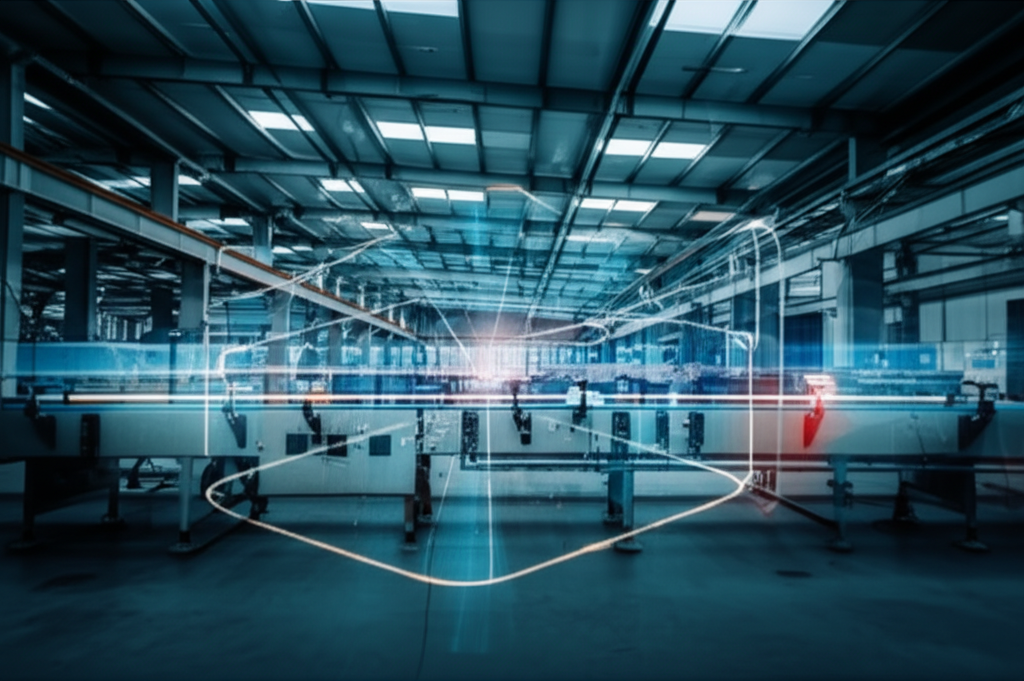
The manufacturing sector has always been about precision, continuity, and timing. But lately, the conversation around data protection has taken on a different tone. Production lines increasingly depend on digital systems, supply chains are more interconnected, and attackers have realized that disrupting manufacturing causes real-world, immediate consequences. It’s no surprise, then, that many enterprise and mid-market manufacturers are rethinking their strategies.
What’s driving this shift now? The rise of targeted ransomware is part of it. So is the growing dependency on IoT, SCADA systems, MES platforms, and the mix of legacy equipment that remains mission-critical. Add in regulatory pressure around data retention or quality control documentation and the landscape becomes even more complex. Manufacturers don’t just need backups—they need operational resilience.
And here’s the thing: buyers in this space often feel like their environment is a patchwork of old and new systems that don’t behave like traditional IT. Which is partly true. Manufacturing data protection carries a different set of priorities, especially when downtime can cost more per hour than most industries ever experience.
Key Evaluation Criteria
Organizations evaluating solutions generally start with the basics—backup frequency, recovery point objectives, recovery time objectives. But very quickly, discussions expand. They have to. A plant might run 24/7 and can’t easily pause operations for long maintenance windows. Some equipment doesn’t support modern protocols. Older systems may store data in formats that are difficult to extract or replicate.
So, buyers begin to consider questions like: Can this solution protect both IT and OT data without major workflow disruption? Will it maintain integrity during production spikes? How does it handle edge devices? And just as importantly, does it reduce operational risk or simply shift it somewhere else?
Another evaluation criterion that comes up frequently is visibility. Manufacturers want assurance that their data protection posture is clear and provable—especially when cybersecurity insurance or compliance audits enter the picture.
There’s also the human factor. If day-to-day teams don’t have the bandwidth to constantly tune or troubleshoot a solution, then ease of management becomes a determining factor. This is where managed services or specialized consulting often appear in the conversation.
Common Approaches or Solution Types
Not every organization starts from the same point. Some rely on traditional on‑premises backups with tape or disk systems. These setups still exist because they’re familiar and, in some cases, tightly integrated with legacy equipment. But they often fall short when rapid recovery is needed.
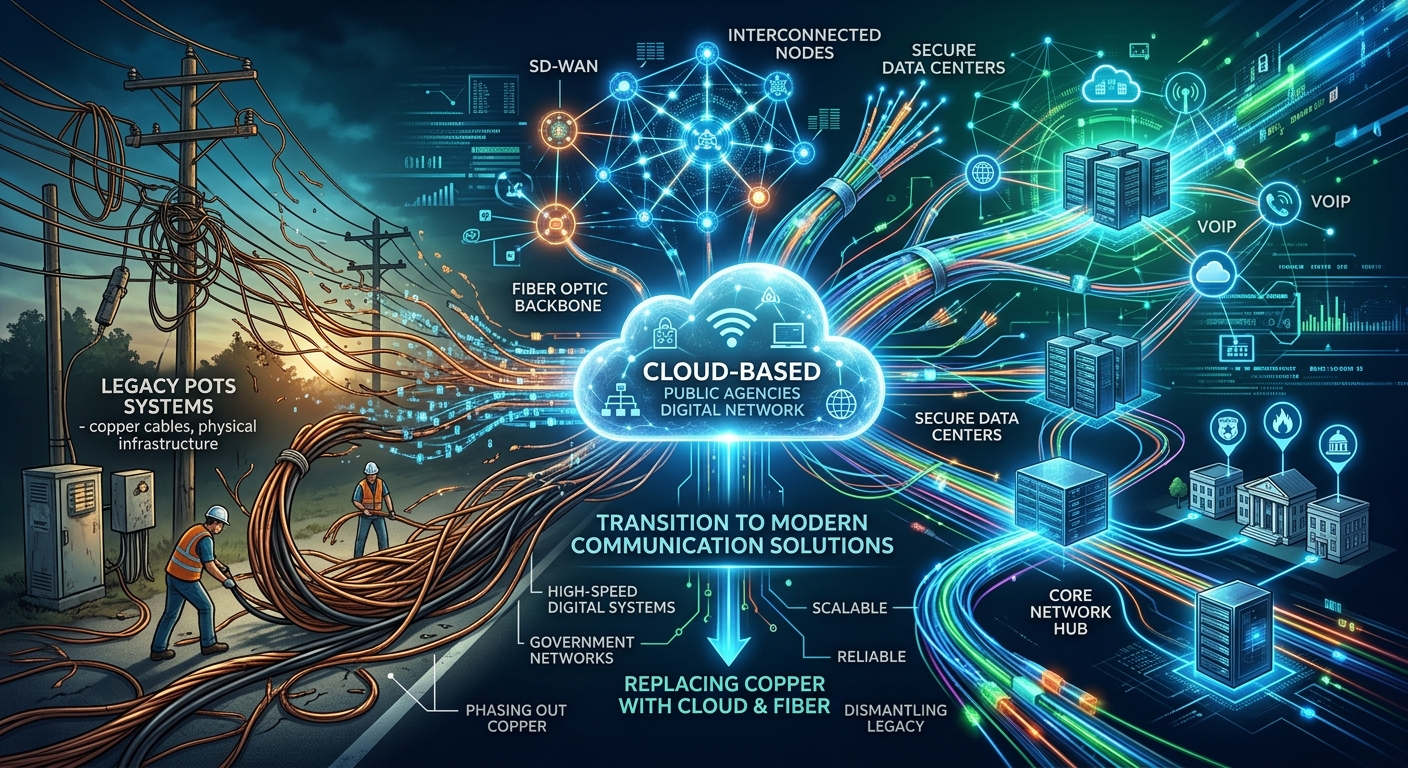
Cloud-based backups have gained adoption, though manufacturing environments sometimes hesitate due to concerns around bandwidth, latency, or transporting sensitive operational data offsite. Hybrid models tend to bridge that gap, providing both immediate local recovery and resilient cloud storage for long-term protection.
Then there’s the rise of fully managed IT services that bundle data protection with monitoring, cybersecurity hardening, and strategic consulting. For manufacturers juggling lean IT teams, this model can feel like a relief. Conditional phrasing aside, a partner like VTC Tech may be positioned to provide a more integrated approach—especially where production uptime and security intersect.
One tangent worth noting: some organizations still underestimate the role cybersecurity plays in data protection. Yet modern threats don’t just delete files; they corrupt, encrypt, or sabotage operational systems. Data protection strategies increasingly need to incorporate cybersecurity services, not sit beside them.
What to Look for in a Provider
Experience with manufacturing environments matters more than buyers sometimes expect. A provider that understands production workflows, regulatory pressures, and OT/IT convergence can typically design a more realistic protection strategy.
A few traits consistently rise to the top:
- The provider should offer layered protection options that don’t require wholesale infrastructure replacements.
- They should support real-world recovery scenarios, not idealized ones. (Can they restore data mid‑shift without halting a line?)
- Their consulting approach should acknowledge legacy constraints rather than forcing rigid architectures.
At the same time, buyers often appreciate when a provider offers ongoing managed services rather than handing over a static solution. Data protection isn’t something that stays “done.” It shifts with threats, updates, new machinery, and evolving operational needs.
Another slightly informal observation: manufacturers value pragmatism. They don’t want grand promises—they want systems that quietly work in the background and don’t get in the way.
Questions to Ask Vendors
A few targeted questions usually reveal the real capabilities behind the marketing. For example:
- How do you protect both IT and OT workloads, especially legacy assets?
- What happens if a system is compromised by ransomware—how do we validate clean recovery?
- Can you support hybrid cloud or multi‑site environments without adding complexity?
- How is recovery tested, and how often?
- What does your team manage versus what will our internal teams still need to handle?
You might also ask: How fast can we recover production data during a critical shift? The answer here often uncovers more about the vendor’s practical experience than any datasheet ever will.
Making the Decision
Choosing a data protection approach in manufacturing isn’t about picking a single tool. It’s a balance of risk tolerance, operational realities, staffing limitations, and regulatory pressure. Some organizations ultimately blend managed services with internal processes. Others fully outsource their protection strategy because maintaining expertise in‑house feels unrealistic.
What often tips the balance is trust—specifically, finding a partner that understands the nuances of manufacturing and doesn’t overlook the messy, real-world constraints that come with it. Decision makers should spend as much time evaluating the provider’s mindset as they do the technology stack.
In the end, the right solution is the one that improves resilience without requiring constant babysitting, integrates cleanly with existing equipment, and reduces operational exposure. And if a provider can guide that journey with clarity and manufacturing‑specific expertise, the decision becomes far more straightforward.