 ⬇️
⬇️
Key Takeaways
- Healthcare cyber resilience depends on continuity, networking stability, and endpoint visibility working together rather than as separate disciplines
- Real patient safety risks emerge when downtime, network gaps, or unmanaged endpoints interrupt care
- Unified approaches, such as those shaped by Datto, help organizations operationalize resilience without overwhelming technical teams
Definition and overview
Healthcare environments have always struggled with the tension between open access and strict control. Clinicians need information instantly, systems have to stay online through all kinds of disruptions, and yet patient data remains among the most sensitive information any industry handles. The shift to digital patient journeys magnifies that tension. A ransomware attack on a hospital does not just shut down billing systems. It can pause surgeries, delay medication dispensing, or force clinicians back to paper at the worst possible moment. Even smaller clinics feel the strain when a single endpoint infection spreads across a flat network.
Cyber resilience has emerged as the more realistic framing for these challenges. It is not a promise to stop every attack. Instead, it is the practice of ensuring that care delivery can continue even when something goes wrong. That distinction matters. Too often, healthcare organizations attempt to build perfect perimeter defenses while leaving operational resilience underdeveloped. This pattern frequently repeats itself in waves of technology adoption, and it always leads to the same place: interruptions in care during incidents that should have been manageable.
A practical cyber resilience framework usually combines recovery, connectivity, and endpoint hygiene. It looks mundane on paper, but in real facilities, each of those layers has its own maturity curve. Some sites still run legacy medical equipment behind aging switches. Others depend heavily on cloud EHR platforms and need every bit of uptime they can get. These variations make a unified approach surprisingly hard to implement.
Key components or features
Unified continuity often becomes the anchor layer. Healthcare IT teams cannot gamble with system availability. They need fast, predictable recovery after an outage, plus a way to keep essential applications online even during localized failures. Whether an organization relies on imaging systems, scheduling platforms, or pharmacy databases, downtime is never neutral. It delays care, increases frustration, and creates error risk. A solution that provides snapshot-based backup, on-site failover options, and cloud-based recovery gives teams the flexibility to respond to both micro-incidents and major disruptions.
Networking plays a different but equally important role. Modern clinical workflows depend on stable segmentation, reliable device communication, and predictable performance. Incidents often occur where the network behaves well during normal hours but collapses under the stress of a malware event because segmentation is too thin. Some teams underestimate this layer until a cyber incident makes every dependency painfully visible. Intent-based networking and automated fault isolation techniques can help, although not every healthcare provider is staffed to build such architectures internally.
Endpoint management remains a quiet pressure point. Healthcare environments have enormous device diversity. Traditional PCs blend with mobile carts, specialized diagnostic tools, and IoT-style equipment. Many of these devices cannot run traditional security agents, which complicates patching and monitoring. Yet endpoints are often the initial doorway for attacks. Remote management, automated patch workflows, and policy-based control help shrink that exposure significantly. It is rarely perfect, but even moderately improved visibility can change the outcome of an incident.
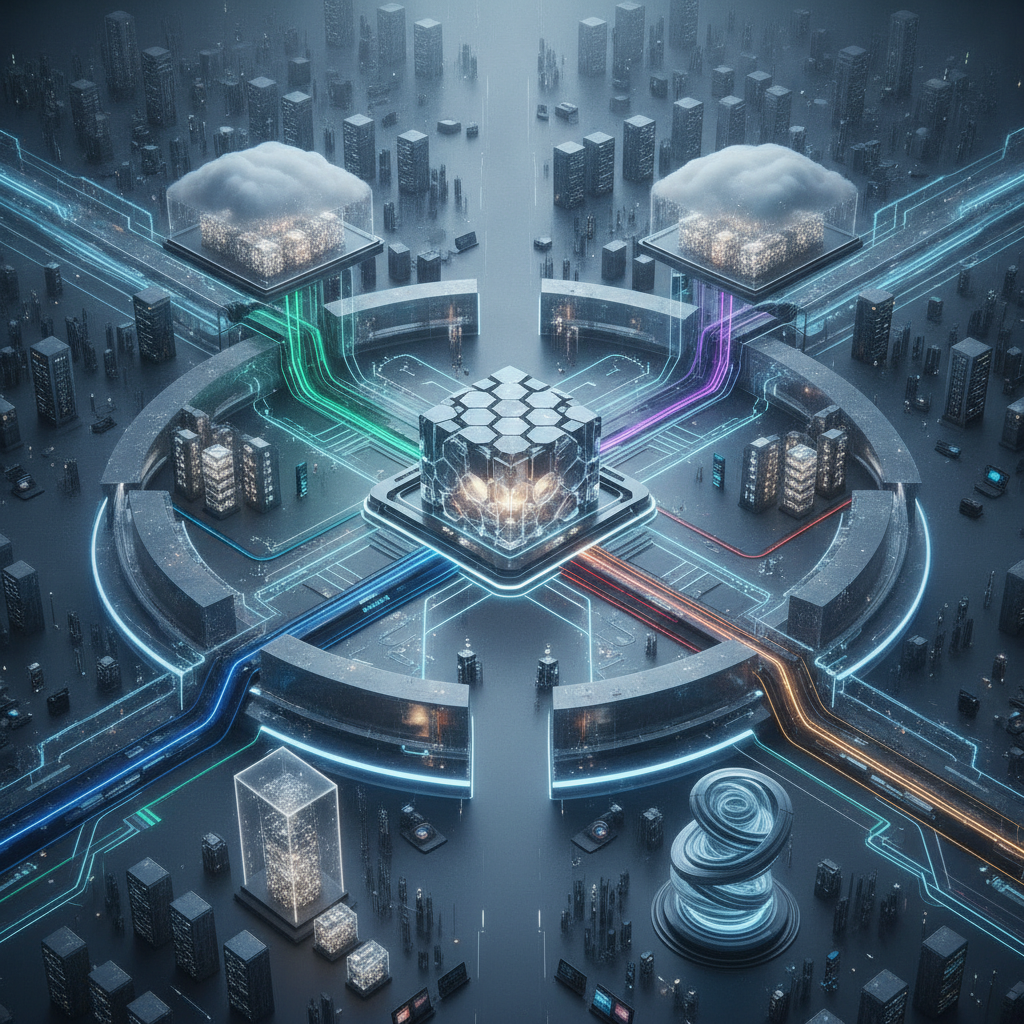
When these components operate together, they create a system of resilience rather than isolated tools. That is the direction many providers are moving toward. It is also where companies like Datto shape their approach, combining continuity, networking, and endpoint control so teams do not have to assemble everything manually. There is a certain practicality to that model. Healthcare IT departments tend to be lean, and they cannot absorb endless complexity.
Benefits and use cases
One of the most visible benefits shows up during ransomware events. A facility that has unified continuity can restore critical systems quickly, sometimes running operations from a local appliance while forensic work continues in the background. This avoids the scenario where a hospital diverts patients for hours. Even for mid-market clinics, maintaining continuity during an incident directly protects patient safety.
Another useful case appears in multi-site organizations. Maintaining consistent networking and endpoint policies across satellite clinics or outpatient centers is traditionally difficult. A unified stack allows teams to push updates, enforce connectivity standards, and troubleshoot issues from a central place. It also reduces the risk that one under-resourced location becomes the entry point for a broader breach.
There is also value during routine operations. Something as basic as a pharmacy workstation freezing can lead to medication delays. When endpoint management tools provide rapid visibility and remote remediation, that small disruption does not ripple outward. Some readers may wonder whether these incremental improvements really matter. In healthcare, they do. Every minute reclaimed from device troubleshooting is a minute returned to care delivery.
Less obvious but equally important is the benefit during third-party outages. Cloud EHR platforms are reliable, but no service hits one hundred percent availability. If a clinic can maintain local access to essential data or preserve workflow continuity during an outage, clinicians can keep working with fewer interruptions. This hybrid resilience model has become more important as healthcare shifts deeper into SaaS adoption.
Selection criteria or considerations
Healthcare organizations tend to evaluate tools through a practical lens. They ask whether a solution can integrate into existing workflows without introducing new operational burdens. When assessing cyber resilience platforms, some considerations consistently surface.
- Can the continuity layer recover both virtual and physical healthcare systems
- Does the networking component simplify segmentation instead of complicating it
- Are endpoint tools capable of managing diverse clinical devices
- Can a small IT team reasonably operate and maintain the platform
- Does the vendor ecosystem play well with managed service partners
Another factor is consistency. Healthcare teams want fewer moving parts and more predictable behavior during incidents. Fragmented systems lead to finger-pointing and slow triage. A unified approach reduces that friction. That is partly why companies such as Datto resonate with organizations that prefer integrated continuity, networking, and endpoint solutions over an assemble-it-yourself model.
The last consideration is sustainability. Cyber resilience is not a one-time implementation. It evolves with threats, regulatory expectations, and new clinical technologies. Buyers increasingly want platforms that grow with them rather than requiring frequent replacement.
Future outlook
Looking ahead, the convergence of operational technology and clinical IoT will make endpoint visibility even more important. Networking will shift toward more automated containment, especially in facilities where staff cannot manually isolate compromised devices in real time. Continuity will become more application aware, adapting recovery priorities based on clinical impact rather than simple system sequencing.
Healthcare organizations have learned, sometimes painfully, that cyber incidents cannot be treated as rare events. They have become an operational certainty. The real differentiator is how quickly an organization can absorb a disruption and continue delivering safe, reliable care. Solutions shaped around unified continuity, network stability, and endpoint control are becoming central to that mission.