 ⬇️
⬇️
Key Takeaways
- Massive capital raises are underway to fund the physical infrastructure required for high-density AI computing.
- A disconnect has emerged between operational reality—record leasing demand—and investor anxiety regarding inflated tech valuations.
- The bottleneck for artificial intelligence scaling is shifting rapidly from chip availability to power access and data center floor space.
If you strictly follow the stock tickers, the narrative around artificial intelligence seems to be entering a "prove it" phase. Volatility is up. Skepticism is creeping into earnings calls. Yet, down in the engine room of the digital economy—the massive data centers housing the actual hardware—the story is quite different. The demand isn't just holding steady; it is accelerating.
Operators are seeing an unprecedented surge in requests for capacity to handle AI workloads. That surge came even as investors grew increasingly wary of inflated artificial intelligence valuations and the financing required to sustain them.
It creates a strange paradox. On one hand, you have Wall Street strategists wringing their hands over whether the AI trade is overcrowded. On the other, you have data center providers actively raising billions of dollars in equity just to keep pace with the hyperscalers who are begging for more rack space.
Here’s the thing about AI workloads: they are incredibly needy.
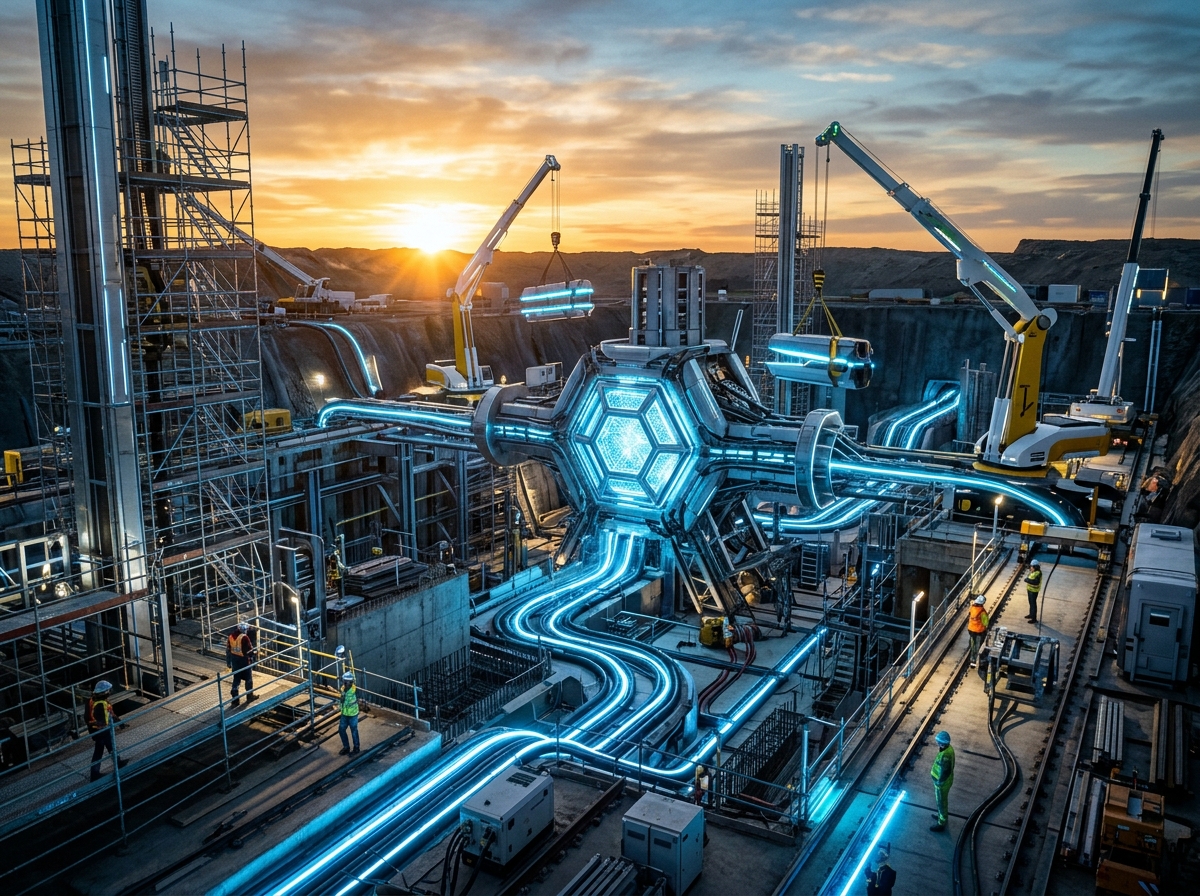
Traditional cloud computing was relatively polite. It required standard cooling and predictable power draws. Generative AI models, by comparison, are unruly beasts. They demand massive power density—often 50 to 100 kilowatts per rack, compared to the industry standard of 8 to 10 kW just a few years ago. Retrofitting existing facilities or building new ones to handle that thermal output isn't cheap. It requires liquid cooling loops, reinforced floors, and, most importantly, access to power grids that are already feeling the strain.
So, why the disconnect in sentiment?
Part of it comes down to the timeline. Investors operate on quarterly cycles; infrastructure operates on multi-year cycles. Building a data center takes time. Securing power permits? That takes even longer. When a data center Real Estate Investment Trust (REIT) announces a massive share sale to fund development—as we’ve seen recently with major industry players like Digital Realty—the immediate market reaction is often tepid. Dilution scares shareholders. They see the cost of capital rising and wonder if the end demand will justify the massive upfront spend.
But look at the leasing numbers. They tell a story of an arms race that hasn't slowed down.
The hyperscalers—Microsoft, Amazon, Google, and Meta—aren't pulling back on infrastructure spend. If anything, they are effectively pre-leasing capacity that hasn't even been built yet. They know that while Nvidia chips are expensive, having a GPU with nowhere to plug it in is a much more expensive problem.
This creates a fascinating dynamic in the B2B technology layer. We are seeing a bifurcation in the market. There are the "AI tourists"—companies sprinkling chat interfaces onto legacy software hoping for a valuation bump—and then there are the structural pillars. The companies pouring concrete and installing high-voltage lines are betting that AI is a utility, not a fad.
Is it risky? Sure.
If the AI bubble bursts, or if monetization of these models fails to materialize as predicted, there will be a lot of empty server halls and expensive copper wiring sitting idle. That is the fear driving the investor wariness mentioned earlier. Nobody wants to be left holding the bag on a multi-billion dollar facility that no one needs.
However, the counter-argument is compelling. Even if the hype cycle cools, the digitization of the global economy isn't reversing. The data intensity of modern business—from automated logistics to predictive analytics—requires more processing power, not less.
Another factor adding color to this situation is the changing nature of the real estate itself. We aren't just building "more" data centers; we are building different ones. The geography of the internet is shifting. Because AI training doesn't necessarily need to be latency-sensitive (unlike high-frequency trading or content delivery), these massive training clusters can be built in rural areas where power is cheaper, provided there is connectivity.
This shift might actually help alleviate some of the cap-ex pressure eventually. But for now, the capital requirements are immense.
Ultimately, the tension between the "surge" in workloads and the "wary" investors serves as a necessary check and balance. Unbridled enthusiasm leads to bad allocation of capital. Skepticism forces companies to justify their builds. But make no mistake: as long as the demand for compute continues to double every few months, the shovels will keep hitting the ground, regardless of what the daily stock charts say.