 ⬇️
⬇️
Key Takeaways
- Texas agencies are pausing funding for automated license plate reader (ALPR) cameras as privacy concerns intensify.
- Pflugerville, Hood County and Austin have moved away from network deployments.
- Public-sector buyers face growing pressure to tighten retention, access and audit controls.
Texas Gov. Greg Abbott has ordered state agencies to pause funding for Flock Safety's AI-powered cameras, adding state-level pressure to a widening municipal backlash against ALPR deployments.
A spokesperson for the governor stated that almost all of the vendor's cameras in Texas are operated by cities, many of which are canceling contracts. Although federal funding supports much of the equipment, Texas agencies are clarifying that state funds cannot be used to purchase the company's cameras.
The immediate financial effect may therefore be limited, but the broader policy signal reflects a significant shift in oversight.
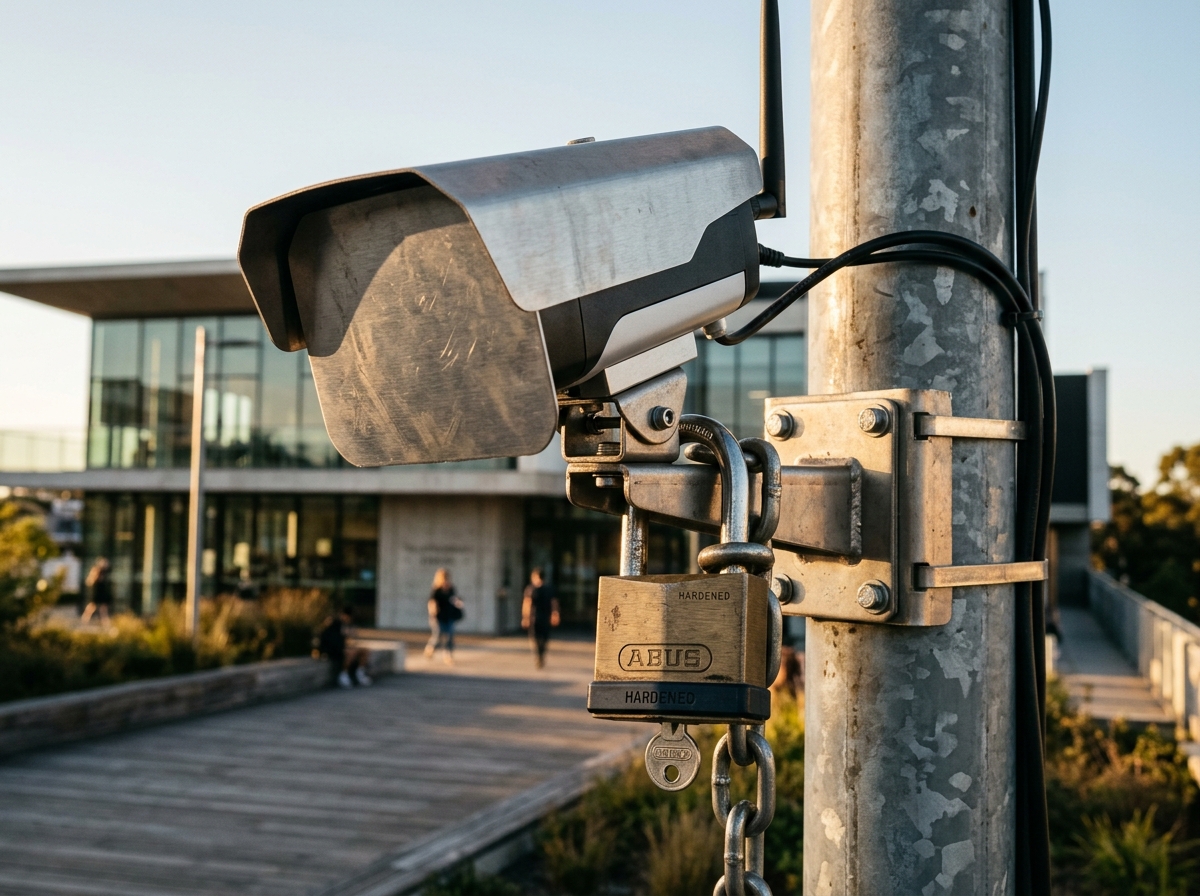
The cameras photograph passing vehicles and record license plates alongside characteristics such as make, model and color. The system's AI can also identify details including bumper stickers and dents. Officers can use those descriptors to search for vehicles across participating networks, potentially accelerating investigations involving stolen cars, missing people or criminal suspects.
A single camera does not create the primary privacy concern; rather, it is the searchable network of devices. Texas reporting indicates officers can query the broader Flock Safety database without a warrant, raising questions about when targeted law enforcement becomes persistent location surveillance.
The network's scale makes those questions harder to dismiss. The Texas Tribune reports more than 83,000 of the company's cameras are deployed nationwide. The extensive processing volume across multiple jurisdictions has drawn scrutiny from lawmakers, portraying an expansive interstate data system.
Local resistance in Texas has moved quickly. The Pflugerville City Council voted unanimously to terminate its ALPR agreement, covering 28 readers, and disable access to the system. Hood County officials likewise voted to end the county's relationship with the vendor and directed that its three cameras be disconnected and covered pending removal.
Austin had already ended its contract over privacy and data-sharing concerns, according to KUT. Dallas, meanwhile, has continued operating a substantially larger network. That patchwork illustrates a procurement problem for statewide and regional law enforcement: data access can cross jurisdictional lines even when local policies differ sharply.
More than 3,000 cameras have been installed with help from the Motor Vehicle Crime Prevention Authority since 2023. The grants followed a 2023 law adding $1 to vehicle insurance policies to fight catalytic converter theft. According to the source reporting, lawmakers had not discussed using that revenue for automated surveillance infrastructure before the law passed.
That funding history could prompt closer scrutiny of procurement language, allowable grant expenses and legislative intent. It also shows how a program aimed at a specific crime can evolve into infrastructure with broader investigative uses.
The provider reported that its technology helps Texas officers solve serious crimes, recover stolen vehicles and find missing people. A company spokesperson said the organization supports legislation, privacy, transparency and accountability guardrails that preserve useful law-enforcement capabilities.
The vendor is also responding operationally by reducing its standard data-retention period from 30 days to 7 days while introducing mandatory audit features and case-code requirements. Shorter retention can reduce exposure, but it does not answer every concern regarding who can search the data, which agencies can receive it, and what level of suspicion is required to access the network.
For technology executives and government buyers, established controls offer a starting point. The NIST Privacy Framework can help agencies map data collection, processing, sharing and deletion, while NIST SP 800-53 Rev. 5 provides controls relevant to authentication, audit logging, access enforcement and information retention.
Technical controls alone may not settle the debate. Contracts can specify retention periods and audit rights, but elected officials still determine acceptable uses. The state's funding pause shifts that decision upstream, from individual police deployments to state procurement policy. For the broader ALPR market, future growth in Texas will likely depend less on camera accuracy than on proving that every search is limited, reviewable and tied to a documented public-safety purpose.