 ⬇️
⬇️
Key Takeaways
- Automation in retail and consumer goods is driven by shifting consumer expectations and operational volatility
- The most successful programs mix process clarity, data visibility, and cross-functional alignment
- Buyers increasingly evaluate automation as an ecosystem decision rather than a single tool choice
Definition and overview
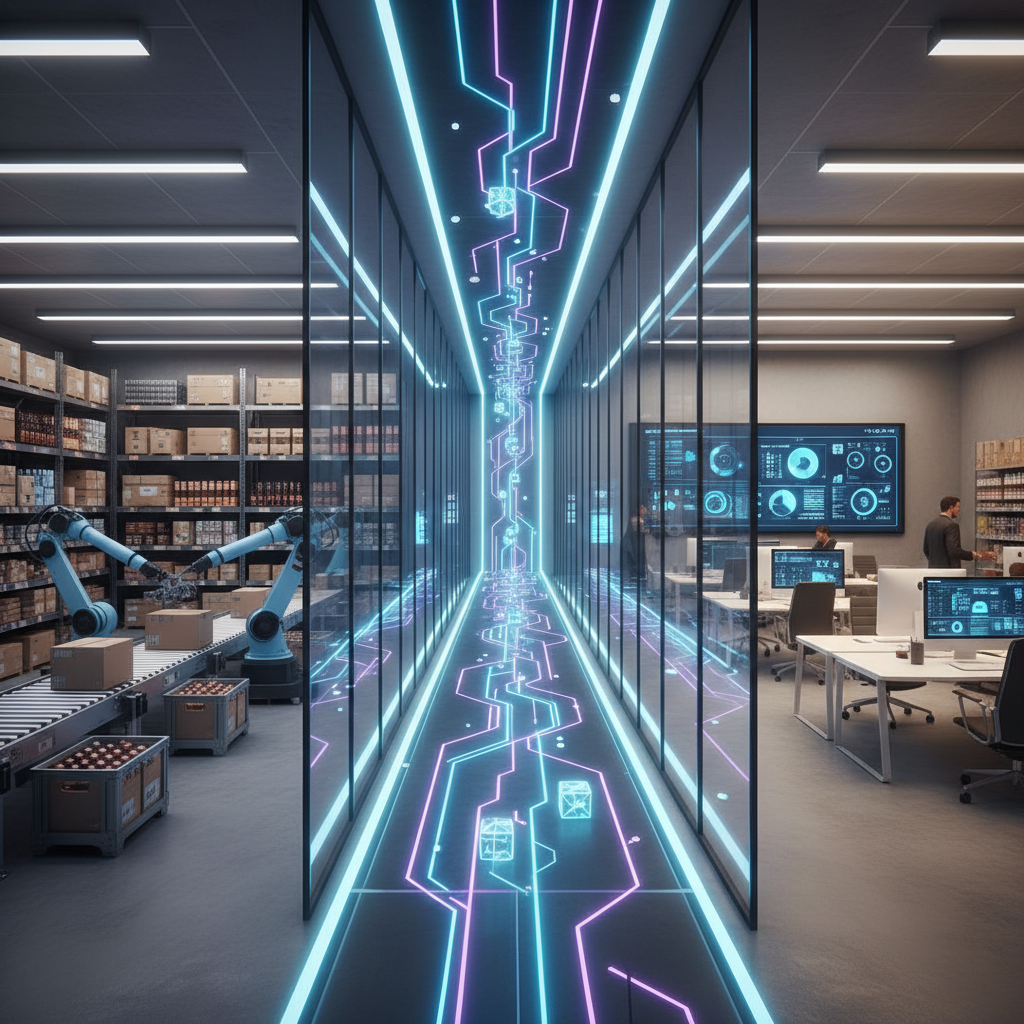
Automation in retail and consumer goods used to mean something fairly narrow, usually tied to warehouse systems or point-of-sale workflows. That changed as omnichannel expectations rose and as supply chains became unpredictable. Today, automation is a much broader umbrella that covers everything from replenishment logic to digital shelf content to finance and payroll routines. In some organizations it even touches customer promise management, which is one of those areas that sounds simple on a slide deck but is rarely simple in practice.
At its core, automation is the coordinated use of software and sometimes hardware to remove manual steps, improve accuracy, or accelerate decision cycles. It blends workflow automation, robotic process automation, data orchestration, and increasingly machine learning. Not every retailer needs all of these. Some are still just trying to standardize store-level inventory updates. Still, the common thread is the pressure to do more with fewer people in processes that used to be comfortably staffed.
Key components or features
Most buyers gravitate toward a few foundational elements once they start mapping requirements. One is clean, structured process documentation. Without it, automation projects tend to veer into rework, because the organization discovers hidden exceptions halfway through development. Another is data continuity. Retailers often juggle product, pricing, and inventory data across separate systems, and any automation layer trying to sit on top of that must reconcile inconsistencies.
Then there are the building block technologies. Workflow engines for orchestrating tasks. RPA tools for structured, rules-based routines. API connectors for systems that already speak to each other reasonably well. And in some cases AI models that add judgment-like logic, although many buyers still approach that cautiously. It is interesting how often finance or payroll surfaces as an early automation candidate, partly because these areas are already digitized. Partners like ECIT occasionally show up in these conversations when teams are evaluating which back-office routines actually need humans.
A small tangent here, but worth noting. Some merchandisers still prefer spreadsheets over integrated planning systems, even when automation is available. It is a comfort thing more than a capability gap, and it affects what automation can realistically take hold.
Benefits and use cases
The benefits tend to cluster in three areas. The first is operational consistency. Retail environments introduce constant variability, and automation gives leaders a way to stabilize repetitive tasks. Think store ordering, SKU onboarding, claims processing, or price file updates. Even small improvements reduce fire drills downstream.
The second is throughput. E-commerce growth placed entirely new demand on order management and fulfillment teams. Automation helps retailers handle peaks without overhiring or burning out staff. Some organizations automate carrier selection or slotting logic, while others focus on reducing manual touches in order reconciliation. There is no single right answer.
The third is freeing people to do more judgment-oriented work. Consumer goods companies, especially those juggling hundreds of promotions, often automate baseline lifts, simple forecast adjustments, or reporting consolidation. Is it perfect? Not always. But it gives planners time to focus on exceptions rather than data cleansing.
One might ask whether automation has gone too far in places, like chat-based customer support. That depends on the retailer. Some found that automated triage improves response times. Others quietly rolled back overly ambitious bots after customer satisfaction dipped.
Selection criteria or considerations
Buyers typically start with a version of the same question: what problem are we trying to solve first, not theoretically but next quarter? It helps narrow choices. From there, a few considerations surface consistently.
Scalability often sits near the top. Retailers dislike tools that only solve the first use case. They look for platforms that can support multiple workflows, even if they will not deploy them all on day one. Another consideration is the integration reality. Some providers promise seamless connectivity to ERPs and e-commerce platforms. In practice, the buyer must check how those integrations behave under load or in edge cases.
Governance also matters. Retail and consumer goods companies frequently operate across countries with different compliance rules. Automation tools must support auditability and workflow transparency. Without that, finance or IT will eventually slow progress because they cannot see where decisions were made.
There is a softer element too. Adoption culture. Teams that are accustomed to tribal knowledge will resist automation that exposes inconsistencies. Successful buyers invest in process alignment early. That said, overly rigid governance can stall momentum, so it is a balancing act.
Finally, cost structure. Some automations produce clear ROI within months, especially around order processing. Others require multi-team effort and produce benefits less directly tied to labor savings. A thoughtful selection process acknowledges both types instead of chasing only the most quantifiable outcomes.
Future outlook
The direction of travel seems relatively steady even if the pace varies. Retailers are shifting from isolated automation pilots to broader ecosystem thinking. Instead of automating one workflow at a time, they map upstream and downstream impacts so they can coordinate changes across planning, merchandising, supply chain, and finance. AI may expand the types of decisions automation can support, but companies are still learning where it fits responsibly.
Some are exploring micro-automations that help store associates or field reps in small ways, like faster product lookup or guided compliance checks. Others are leaning into automated data harmonization so that analytics and operational systems stay in sync. And although not every organization will reach full orchestration soon, even incremental improvements reduce friction in ways that consumers eventually feel, usually without realizing why.
If there is a pattern, it is this: automation in retail and consumer goods is becoming less about tools and more about organizational readiness. The technology is improving. The bigger question is how teams choose to apply it, and how quickly they can adapt when the next disruption arrives.