 ⬇️
⬇️
Key Takeaways
- Startups in the Norwalk metro are pushing helpdesk services toward more automation, faster resolution paths, and tighter cybersecurity alignment
- Enterprise buyers are prioritizing scalable models that blend traditional support with modern managed services and consulting
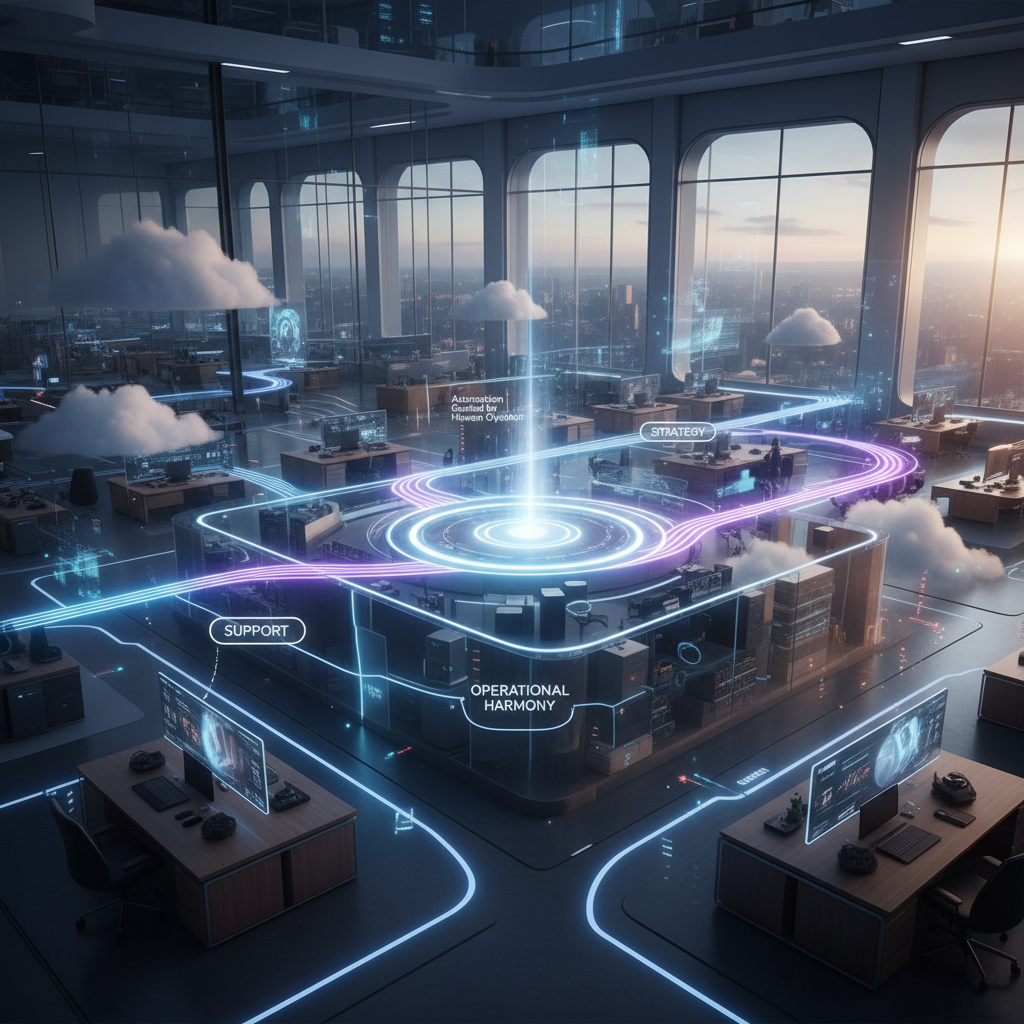
- Practical scenarios show that the most effective solutions emerge when helpdesk, cybersecurity, and ongoing IT strategy are integrated into a single operating model
The Challenge
In the Norwalk metro area, something interesting has been happening. Startups, especially those tied to digital operations or regulated industries, are realizing that the traditional helpdesk model they grew up with does not fit the way they run their businesses today. Today, this pressure feels more immediate than ever. Teams are hybrid. Systems are cloud-heavy. And customer expectations, even internally, have climbed far beyond the old ticket-and-wait routine.
The real challenge is not just speed, although that is part of it. Instead, it is the need for helpdesk functions to operate as an extension of cybersecurity posture, business continuity expectations, and long-term IT strategy. Many enterprise and mid-market leaders find themselves asking a simple but uncomfortable question: how did helpdesk support become such a fundamental backbone of operational risk?
There is also the regional flavor. The Norwalk metro has grown into a hub for fintech, media, logistics, and professional services startups. These companies scale quickly, sometimes too quickly for traditional support models. Someone might acquire another small team, launch a new SaaS integration, or shift to a new cloud suite practically overnight. Helpdesk services now need to flex to those rhythms.
The Approach
The approach that tends to work best blends managed IT services with consulting-led design. Startups and even mature enterprises want their helpdesk to feel more like a partner than a vendor. They want clarity on how incidents should be handled, of course, but they also want direction on how to reduce incidents in the first place. And here is the thing, many organizations underestimate how much of this comes down to basic process hygiene.
Providers in the region, including companies like Apex Technology Services, are responding by packaging helpdesk capabilities with advisory elements. Buyers appreciate that the model is not only reactive. They need services that connect helpdesk workflows to broader cybersecurity controls, identity management practices, and automation that can reduce repetitive tasks.
A few trends stand out.
- AI-assisted triage that categorizes issues within seconds
- Cloud-native monitoring tied directly to ticket creation
- Security-first helpdesk models that flag anomalous behavior early
- Multi-channel support with lightweight automation before human escalation
Some organizations are still skeptical of automation, although most warm to it once they experience faster onboarding or quicker ticket closure times. And sometimes buyers simply want human reassurance. They want to know that a senior engineer can step in if something unusual surfaces.
The Implementation
Consider a mid-sized regional lending institution in the Norwalk metro. This organization had expanded geographically and digitally in the past few years. Teams worked in a hybrid pattern, and internal systems had sprawled across multiple vendors. Their existing helpdesk provider was focused on basic break-fix tasks, which meant employees often waited for callbacks and cybersecurity concerns were handled elsewhere.
The organization decided to redesign its helpdesk operating model. They began with a discovery phase. This included an inventory of all systems, user roles, and the current set of recurring issues. It was surprisingly messy. Duplicated workflows, legacy tools that no one claimed ownership of, and inconsistent onboarding procedures were common. A short tangent here, but this is incredibly common among growing mid-market companies. Everyone assumes someone cleaned it up already.
Next came the integration of monitoring. Device status, user activity logging, and simple performance metrics were pulled into a single pane of glass that automatically opened or updated tickets when thresholds were crossed. This removed a large portion of the manual effort and significantly reduced downtime.
The helpdesk was then aligned with the institution's cybersecurity program. This meant training frontline support on how to spot indicators of compromise, building escalation paths directly into the SOC, and layering MFA and identity validation checks into common support steps.
Finally, the company shifted to a multi-channel model. Chat, email, and voice were still supported, but many users chose the chat interface due to its quick-turn nature. Small automations handled initial authentication or simple resets so engineers could spend their time on more meaningful work.
The Results
The changes delivered several directional improvements. Employee sentiment toward IT support improved, particularly among remote staff who previously felt disconnected. Ticket backlog fell because the helpdesk was catching issues earlier, sometimes before users experienced them. The cybersecurity team reported tighter insight into endpoint behavior because of the monitoring integration.
Leadership also appreciated the clarity. They finally had visibility into the volume and type of issues the organization faced, along with the root causes. This informed budget decisions and future technology planning. Perhaps more importantly, teams spent less time wrestling with systems and more time doing the work they were hired to do.
One interesting side effect was cultural. The organization became more open to process refinement. Once people saw that the helpdesk could change, they believed other systems could too. It created a sort of internal momentum.
Lessons Learned
A few lessons surfaced through this experience. Buyers in the Norwalk metro are realizing that helpdesk modernization is not primarily about replacing a vendor. It is about redesigning the operational layer where employees meet technology.
- Automation works best when it is paired with human oversight.
- Monitoring and helpdesk should not be separate functions anymore.
- Cybersecurity has to be integrated from the start rather than added later.
- Clear workflows reduce friction, but organizations must revisit them regularly.
And, perhaps most importantly, the helpdesk can influence more than daily tech issues. It can shape culture, risk posture, and long-term IT direction. This is why startups across the Norwalk metro are pushing the boundaries of what helpdesk services look like and why mid-market and enterprise buyers are beginning to follow their lead.