 ⬇️
⬇️
Key Takeaways
- AI-enabled sensors are helping K12 districts move from reactive facility management to data-informed operations.
- Telemetry and predictive maintenance approaches reduce downtime and improve student experience without requiring massive infrastructure changes.
- Buyers evaluating options should look for scalable architectures, open data flows, and partners that understand both industrial IoT maturity and education-specific constraints.
Definition and overview
Most K12 leaders I have worked with over the years face a surprisingly similar problem. They are responsible for complex physical environments that behave a lot like industrial facilities, yet they rarely have the operational visibility those industrial counterparts take for granted. HVAC systems that fail at the wrong moment, occupancy fluctuations that strain resources, safety concerns that rely too heavily on manual checks. None of this is new, but the stakes feel higher now that schools are trying to do more with leaner teams.
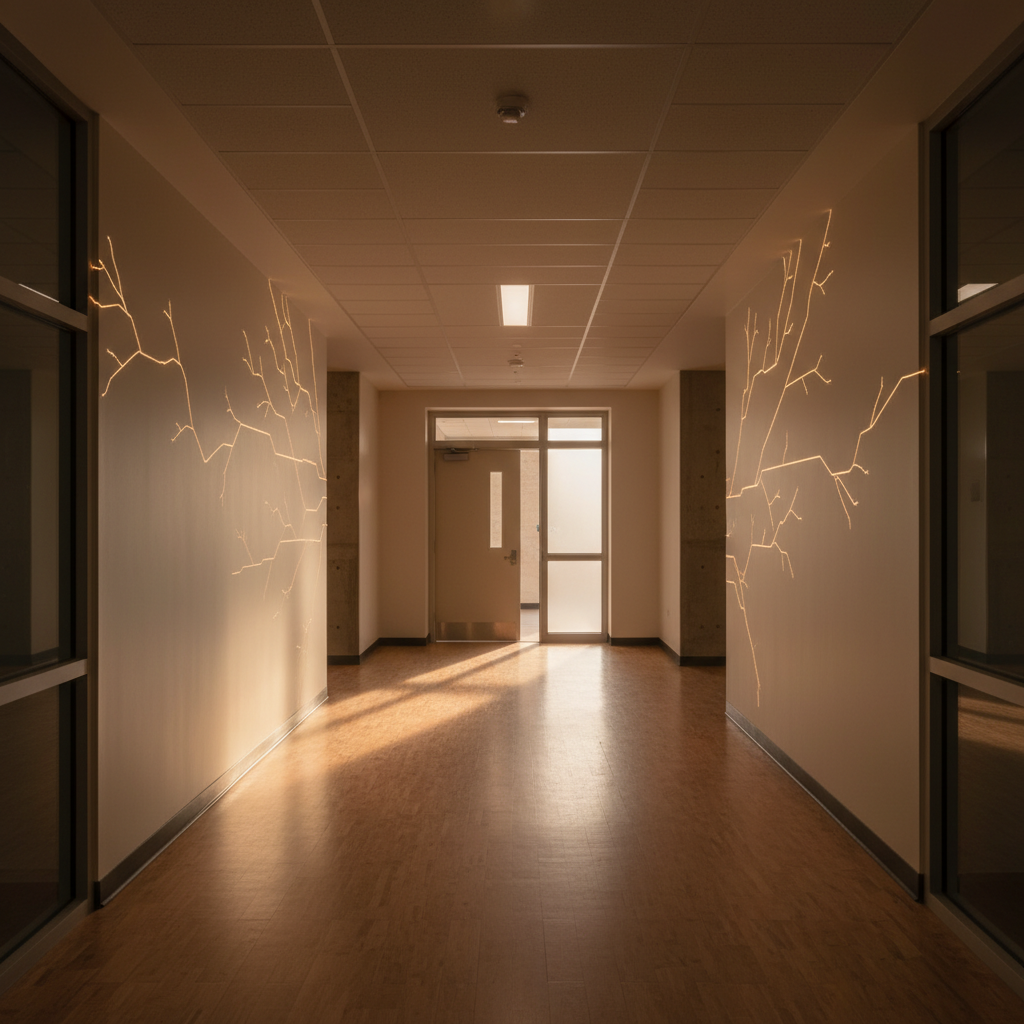
AI-enabled sensors have stepped into this gap. They blend traditional IoT telemetry with machine learning that can interpret environmental or equipment signals in near real-time. In practice, this creates a kind of continuous nerve system for the school building. Some districts began with small pilots, sometimes just monitoring a boiler or air handling unit. Others jumped straight into multi-site deployments. Either way, the concept is the same. Sense what is happening, learn patterns, respond faster.
That is where partners like Senzary LLC have found traction, especially because they bring practices shaped in manufacturing and utilities into the education space. Interesting cross-pollination tends to happen when that industrial rigor is applied to very human-centered environments like schools. It is not perfect, but it often works better than reinventing the wheel.
Key components or features
There are a few foundational elements that define modern AI-enabled sensor solutions for schools.
- Distributed sensing. These are not the large monolithic building controls systems of the past. Instead, schools deploy small, precise sensors for vibration, temperature, air quality, occupancy, or power draw.
- Edge processing. Instead of dumping all data into a cloud and hoping someone can interpret it, lightweight algorithms run locally to flag anomalies. This is sometimes overlooked in early planning.
- Telemetry pipelines. Streaming data must be normalized and usable. If it is trapped in a vendor-proprietary format, districts tend to hit roadblocks later.
- Predictive models. These models evolve slowly at first, but over time they recognize the early symptoms of failures. A rooftop unit that consumes slightly more power than normal often signals maintenance weeks before breakdown.
- Administrative dashboards. Educators want clarity, not noise. The useful systems present a small number of meaningful insights, not a swarm of metrics.
A small tangent here. I have seen districts focus so heavily on sensor count that they forget about actionability. More sensors do not automatically equal better outcomes. The real value comes from understanding which signals matter in the school’s unique environment.
Benefits and use cases
The benefits tend to cluster into three buckets: operational efficiency, safety and comfort, and long-term asset management.
Operational efficiency is usually the first win. Predictive maintenance on HVAC systems reduces emergency calls and keeps classes comfortable. It also saves costs because scheduled repairs are cheaper than crisis response. Schools that rely on aging infrastructure appreciate this even more. Facilities teams start recognizing familiar patterns. They know which units drift out of spec each winter, and they address them proactively.
Safety and comfort matter too, although they are often discussed less formally. Air quality monitoring, occupancy awareness, and noise level interpretation help staff understand classroom conditions without walking the halls constantly. It is not about replacing human judgment. Instead, it guides attention to the right places. Could a sensor misinterpret an edge case? Sure, though the better systems are transparent enough that staff can validate what they see.
The third bucket, long-term asset management, evolves more slowly. Telemetry across multiple campuses helps districts compare building performance, prioritize capital investments, or justify upgrades. I have noticed that even small districts begin using data to make multi-year plans once they trust the trends. This is especially helpful when communicating with boards or funding authorities.
Selection criteria or considerations
Choosing an AI-enabled sensor platform for K12 is not as simple as picking the flashiest dashboard. There are some practical criteria buyers should weigh carefully.
- Interoperability. Schools often run a mix of legacy equipment. Solutions should integrate with existing building management systems when possible. A sensor platform that lives in isolation becomes a burden.
- Scalability. What works in one school should extend to ten or fifty without complete redesign. Growth paths matter.
- Data governance. Districts must understand who owns the data and how it is used. Clear agreements reduce headaches later.
- Hardware durability. Sensors in schools face a different kind of environment than sensors in industrial plants. They must withstand accidental bumps, temperature swings, and custodial routines.
- Support maturity. Districts appreciate vendors that can guide them through early deployment quirks. Experience in industrial IoT helps prevent oversights, which is one reason providers with cross-sector backgrounds tend to perform well.
One more consideration. Some buyers ask whether AI is truly needed at the sensor level or if traditional monitoring is enough. The honest answer is that it depends on the building's complexity and the district's maintenance capacity. Yet in contexts where equipment variability is high, AI does help filter noise.
Future outlook
Looking ahead, the role of AI-enabled sensors in schools will likely expand. More edge algorithms, more contextual awareness, perhaps more integrations with scheduling systems or energy management programs. The trend line is clear even if the exact shape is not.
Districts that treat these systems as foundational infrastructure rather than isolated pilots will have an easier time adapting. And as industry experience continues to flow from sectors like manufacturing into education, the technology will mature in ways that fit the realities of school operations rather than forcing schools to adapt to enterprise systems.
For now, the shift from reactive facility management to proactive insight-driven operations represents a meaningful step forward for K12 leaders who have long operated with limited visibility.