 ⬇️
⬇️
Key Takeaways
- Indoor and outdoor displays are now core infrastructure for modern conventions and expos, not optional add‑ons
- Strategic placement, content planning, and operational reliability often matter more than screen specifications
- Buyers evaluating solutions should consider durability, content workflows, and long-term scalability as much as upfront cost
Definition and Overview
At conventions and trade shows, the main challenge isn’t technology—it’s attention. Every exhibitor is vying for visibility, audiences are overstimulated, and event organizers are expected to deliver environments that feel cohesive, premium, and easy to navigate. Indoor and outdoor digital displays emerged as a response to that tension. Not as a gadget, but as a kind of connective tissue that helps people move, notice, and engage.
Indoor displays tend to handle wayfinding, storytelling, and booth-level engagement. Outdoor units pick up where the venue’s facade and entry flow start to matter: welcome signage, sponsor walls, traffic control, and sometimes full-blown advertising networks that help offset production costs. Some organizations use custom or converted digital billboards to extend their messaging beyond the venue, which companies like Digital Sign Guys see regularly across advertising and industrial sectors.
What’s interesting is how quickly expectations have shifted. Five years ago, “digital signage” at an event usually meant a few mounted screens looping sponsorship slides. Today, attendees expect hybrid experiences, quick content updates, and visuals that feel tailored to the moment. And honestly, anything less feels flat.
Key Components or Features
Indoor and outdoor displays overlap in function, but the underlying considerations can look very different.
Indoor displays usually emphasize:
- High pixel density for close viewing
- Flexible mounting options—hanging, freestanding, embedded in booths
- Integration with cloud-based content systems
- Touch or gestural interactivity (not always necessary but increasingly common)
Outdoor systems shift the focus:
- Weatherproofing and thermal stability
- High brightness for sunlight conditions
- Structural engineering—always more important than buyers expect
- Long-distance visibility and motion handling
- Durable components for multi-day or year-round deployment
Here’s the thing: most buyers think first about resolution or size. It makes sense—it’s visual tech. But at events, the more decisive factors often relate to content upkeep and operational smoothness. For example, can marketing teams update a piece of messaging five minutes before a keynote? Can the displays survive wind gusts that exceed the venue’s expectations? These practicalities shape the real-world experience.
Sometimes organizations pair indoor and outdoor displays intentionally, using exterior screens to create anticipation and interior screens to deepen engagement. Other times it’s a patchwork. Either way, consistency of design and message timing tends to be what people notice subconsciously.
Benefits and Use Cases
If you ask event teams why they’re investing more in digital displays, they’ll rarely say “because the screens look nice.” Instead, the motivations fall into a few buckets.
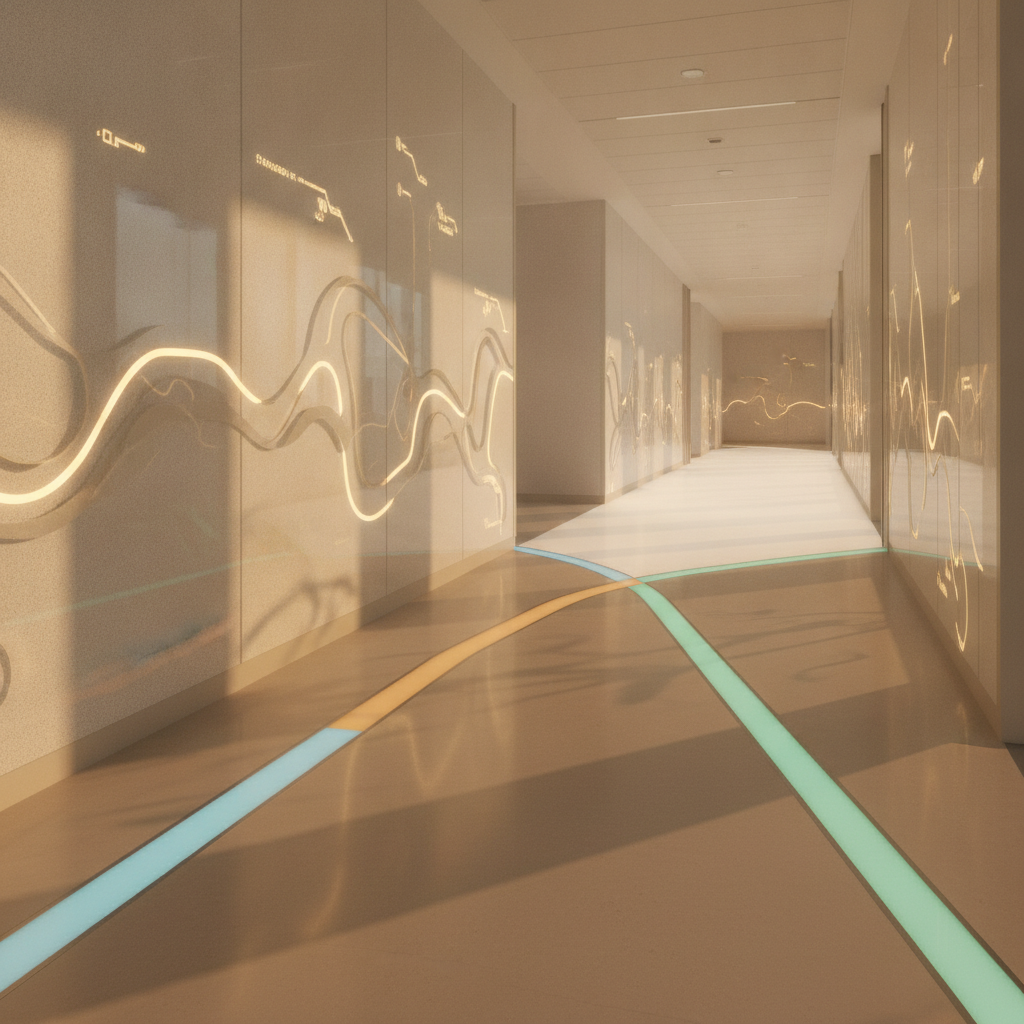
Improved attendee flow. Large halls are notoriously disorienting. Strategically placed displays—especially at key intersections—can reduce confusion and help keep crowds balanced across the floor. It’s functional, but also reduces staff burden.
Sponsor monetization. Outdoor LED walls, entry pylons, and high-visibility indoor displays can become premium inventory. Many event operators quietly view digital signage as a revenue engine rather than a cost center. Not every buyer likes to lead with that, but it’s often true.
Exhibitor impact. Booths equipped with dynamic visuals simply draw more people. Even modest screens outperform static banners because they allow exhibitors to shift their message throughout the day. A product demo in the morning, a customer story at noon, a session promotion later on. That adaptability is huge at multi-day shows.
Operational agility. Most teams underestimate how often last-minute changes occur—room reshuffles, schedule delays, sponsor additions. Digital systems let organizers respond without printing anything new. It doesn’t eliminate stress, but it certainly softens the blow.
Some events even use outdoor displays for real-time traffic management or to broadcast popular sessions outside overflow rooms. Whether that’s necessary depends on the scale of the show, but it’s becoming common enough that attendees now expect some element of live digital communication.
Selection Criteria or Considerations
Choosing indoor or outdoor displays for trade shows isn’t complicated, though buyers sometimes make it harder by over-focusing on specs. What tends to matter more is how the screens will fit into the broader operational model.
A few criteria tend to rise to the top:
Content workflow. Who controls the messaging, and how quickly can content be updated? Many enterprise teams want centralized oversight with decentralized contributions. Cloud-based control systems help, but only when paired with clear governance.
Durability and maintenance. Outdoor displays live a rougher life—sun, wind, dust, temperature swings. For multi-day or permanent installs, durability matters as much as image quality. Indoor units have fewer environmental risks but sometimes face heavy transportation cycles if used across different shows.
Visibility conditions. Outdoor signage needs the brightness to cut through sunlight. Indoors, the bigger concern is glare and ambient lighting. It sounds obvious, but ignoring these factors leads to the classic “beautiful screen no one can read at noon” problem.
Physical constraints. Truss strength, weight limits, power availability—these shape what’s feasible. One quick micro‑tangent: event venues often have stricter rigging rules than buyers expect, which means your display partner must speak the same language as the venue’s engineering team.
Future scalability. Will the event grow? Will the signage network travel to multiple venues? Will additional sponsors eventually want more placements? Buyers who plan for that flexibility avoid later reinvestments.
One question buyers occasionally ask is: Can we repurpose displays after the event? The answer depends on the hardware type and mounting structure. Some organizations intentionally choose modular systems so they can reuse components across retail environments, lobbies, or corporate campuses.
Future Outlook
The next wave of convention signage won’t necessarily be bigger or brighter—though that’s happening too—but more adaptive. Context-aware content, sensor-driven crowd analytics, and simplified content automation are emerging fast. Outdoor displays may trend toward hybrid networks that blend event messaging with temporary advertising or public information. Indoor screens might lean more into interactivity or integrated AR elements.
Buyers are also asking for more sustainable options—lower power consumption, modular repairability, recyclable components. Many providers are responding with quieter, energy-efficient LED technologies that work for both short-term events and long-term installations.
And as venues modernize, the expectation is shifting toward a shared digital canvas that organizers, exhibitors, and sponsors all contribute to. In that environment, reliable partners with experience across custom signage and large-format deployments—the kind of work companies like Digital Sign Guys see every day—become important not just for hardware selection but for designing signage ecosystems that actually make sense.
As with most event technology, the real opportunity lies not in the screens themselves but in how they help people connect, move, and remember.