 ⬇️
⬇️
Key Takeaways
- New AI-enhanced ransomware detection is now embedded directly into FlashCore Modules.
- Storage Defender connects hardware-level signals with broader threat monitoring and recovery workflows.
- Analyst research shows growing enterprise demand for storage systems that monitor I/O activity for ransomware-like behavior.
IBM is expanding its cyber resilience strategy with new capabilities inside its FlashSystem portfolio, placing AI-driven ransomware detection directly in the storage layer. The update represents a tangible shift in how storage hardware contributes to early threat identification. It also reflects what many analysts have been signaling for years: storage itself is becoming a front line in ransomware defense.
The focus centers on the fourth-generation FlashCore Module, which sits at the heart of the FlashSystem family and handles both data storage and compute tasks. The chief technology officer for the vendor's flash storage division has long described FlashCore as a computational storage platform. That label applies because the modules combine NAND flash, RAM caches, and enough onboard processing to analyze every block written to the device. Not every vendor attempts to offload compression and analytics from the controller down to the drive level, but the company has pursued this design for several years.
The new capability relies on machine learning models that inspect block-level entropy, compressibility, and data patterns. Ransomware generates a distinctive signature when encrypting files. If those telltale signs appear during write operations, the storage system can surface an alert within seconds. The organization reports that detection typically occurs in under a minute, aligning with broader industry observations about inline anomaly detection.
Context from outside the vendor adds weight to this approach. The National Institute of Standards and Technology emphasizes the role of continuous monitoring in storage environments. Its publication, NIST SP 800-209, highlights early containment of attacks on storage and backup systems. Although the document predates this latest hardware, NIST has continued to advise that ransomware often targets storage infrastructure first. Meanwhile, analyst coverage from Gartner notes a rising demand for storage platforms that integrate cyber resilience features, projecting that 60% of enterprise storage systems will include such capabilities by 2028. Vendors like Pure Storage and Dell Technologies are moving in similar directions.
Inside the FlashCore Module, the system uses local compute to summarize statistics from every I/O operation. Those statistics then feed cloud-based AI models and correlate with a database of ransomware I/O signatures, maintained by a Zurich-based research team. The result is a feedback loop between hardware telemetry and threat intelligence. This loop offers advantages for organizations trying to shorten the time between compromise and response, providing inline visibility that accelerates reaction times compared to post-intrusion forensic analysis.
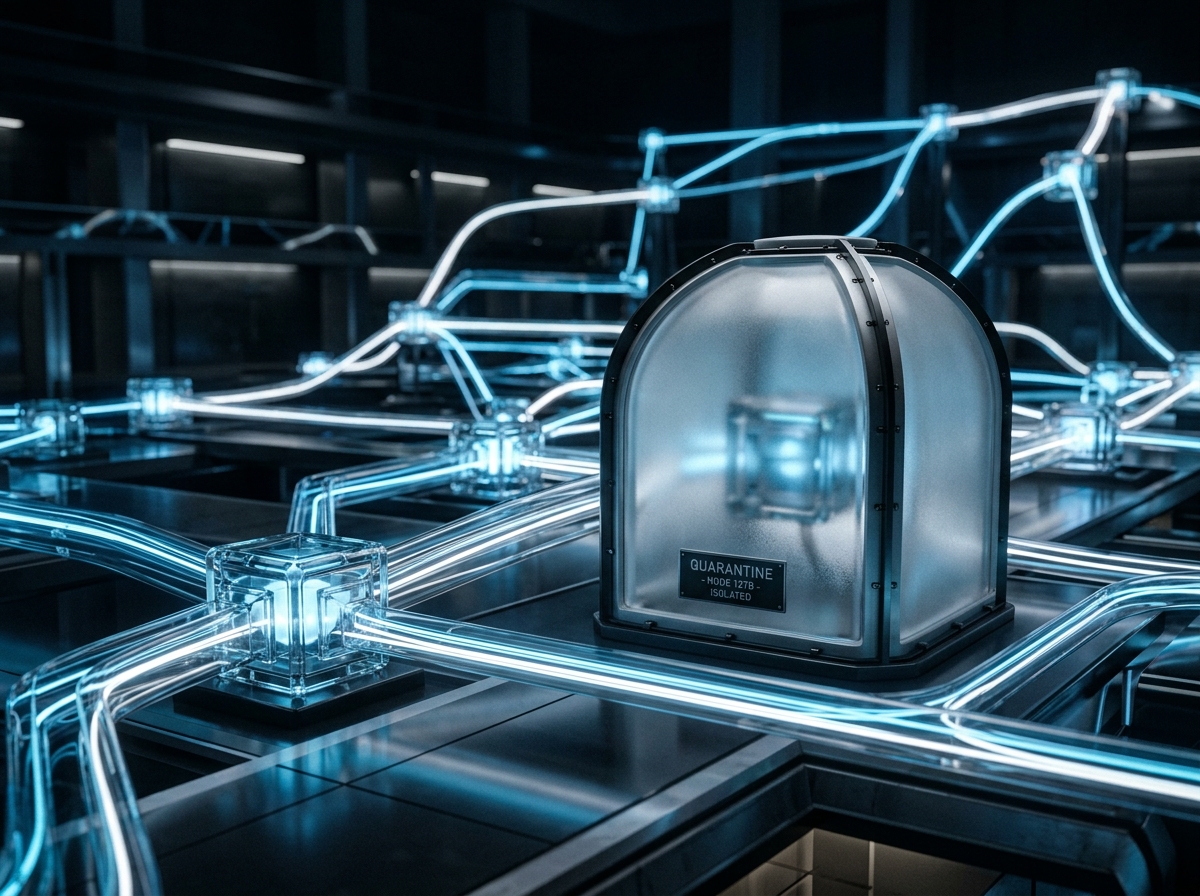
The updated IBM Storage Defender software release connects the FlashSystem anomaly events with a larger web of signals across virtual machines, application workloads, containerized environments, and database platforms. Storage Defender serves as a resilience orchestrator, pulling in workloads and asset inventories so that recovery plans can be executed with precision. Administrators can coordinate immutable copies and Safeguarded Copy snapshots, which are created in isolation from production data, ensuring clean recovery points remain available during an incident.
Industry watchers have been paying close attention to how storage platforms support security operations centers. IDC has observed rising enterprise spending on ransomware protection for primary storage systems, calling it a top-three priority for more than 50% of organizations in 2024. The European Union Agency for Cybersecurity has also reported that ransomware remains one of the top threats in the region, with direct impacts on storage systems. Organizations consistently require earlier alerts, more context around anomalies, and faster restoration paths.
The practical implementation inside storage hardware shows a trend toward embedding intelligence where data is created and modified. Machine learning-driven anomaly detection helps identify suspicious patterns, but it requires operators to interpret the signal within the broader context of their environment. The integration between FlashSystem and Storage Defender addresses this by tying together events from multiple layers.
The integration also acknowledges a persistent enterprise challenge: if ransomware encrypts data quickly, how much can be spotted before the damage spreads? The combination of block-level entropy analysis and workload context provides critical time to respond. That window could be the difference between isolating a compromised workload and initiating a full disaster recovery cycle.
For enterprise buyers evaluating the broader market, this architectural update fits a pattern of vendors incorporating AI at the storage layer. It will likely influence procurement decisions as cyber resilience becomes a required feature rather than an optional add-on. The comparison to competitive offerings indicates that the storage market is entering a new phase of baseline security expectations.
Future developments will depend on customer adoption and ongoing threat evolution. The Zurich research team continues updating signature models as attackers regularly adjust behaviors to bypass detection. Even so, the architecture combines hardware analytics, cloud-based intelligence, and integrated recovery tools, setting the direction for what enterprise IT leaders increasingly expect from storage platforms.