 ⬇️
⬇️
Key Takeaways
- a16z led a $20 million seed round in Runta, valuing the company at more than $100 million.
- Runta is building an operating and governance layer that isolates, monitors, and controls autonomous AI agents in production environments.
- Growing enterprise adoption of autonomous agents is creating demand for orchestration, oversight, and safety frameworks grounded in established standards.
Runta is now one of the newest entrants in the rapidly forming market for enterprise agent infrastructure. The company secured a $20 million seed round led by Andreessen Horowitz, or a16z, on July 17, 2026. The round, reported to value the startup at more than $100 million, highlights an increasingly clear pattern: businesses want the automation benefits of autonomous agents, but they also want those agents placed inside safer boundaries. Autonomous technology now writes code, executes transactions, and interacts with internal systems. Without oversight, unauthorized agents can run up unbudgeted cloud bills or inappropriately modify production data.
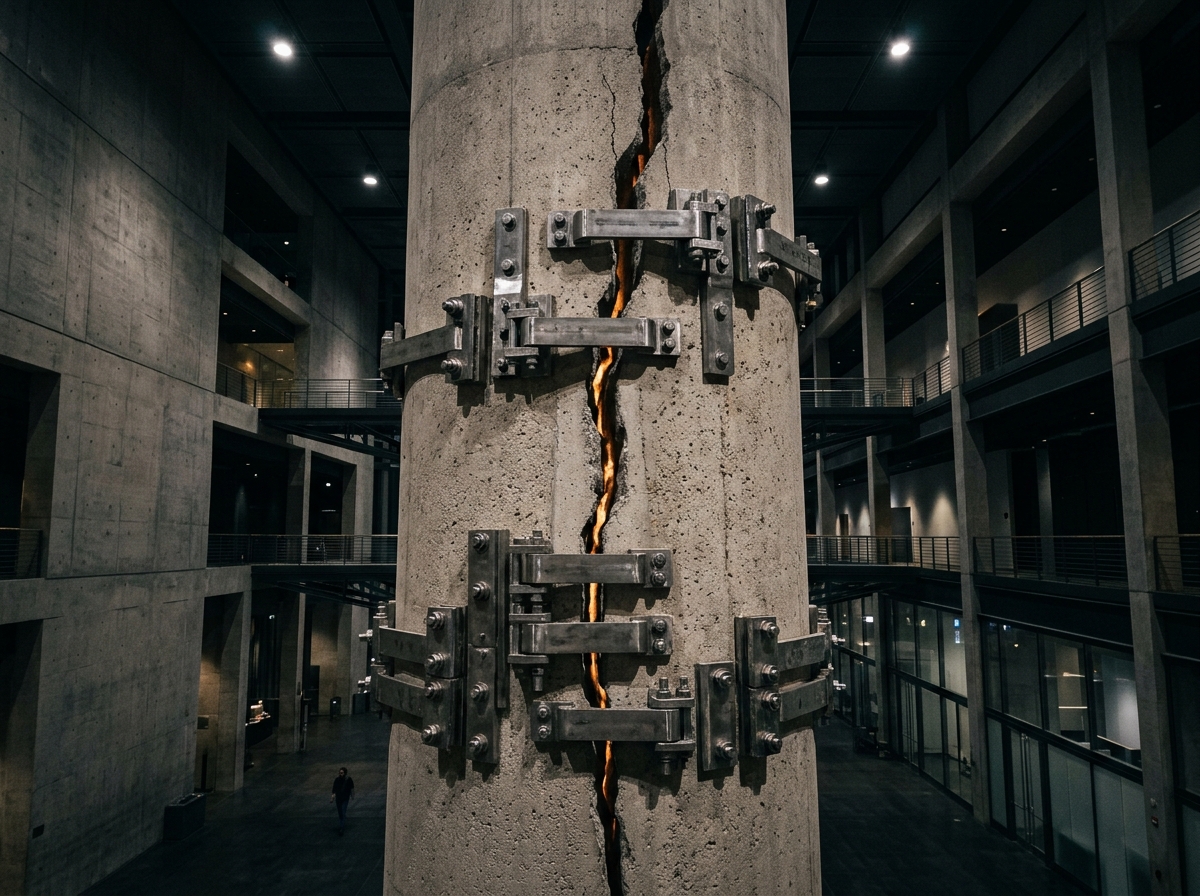
Runta's founder uses a surprisingly everyday metaphor to describe the challenge: parenting. The founder argues that developers should treat AI agents like curious children, limiting access to sensitive files and imposing spending caps so an unintended loop does not spiral into financial or operational trouble.
McKinsey has estimated that generative AI could add $2.6 trillion to $4.4 trillion in annual economic value, with a major portion tied to agent-driven workflow automation. That kind of scale attracts interest, but it also raises governance questions. Analysts want to know what happens when thousands of semi-autonomous processes run concurrently across operational, financial, and customer-facing systems.
Runta wants to give each agent its own computer-like runtime environment. In a16z's description of the deal, a partner stated that agents just want a computer—not a metaphorical one, but a full operating system that can run locally or in the cloud, complete with built-in security controls. The startup is attempting to rebuild the layer where agents execute tasks, wrapping that environment with guardrails. In practice, this means isolating agents from one another, applying permissions, and monitoring behavior for signs of escalation.
According to Gartner, more than 80% of enterprises will have used generative AI APIs or models by 2026. Many of these same organizations plan to put autonomous agents into production, creating a need for systems that can mediate access, enforce rules, and cap damage from unexpected agent behavior. Runta is not alone in trying to address the gap. Adept focuses on action-taking agents that execute enterprise workflows, while Cognosys works on higher-autonomy agents. Together they form part of an ecosystem aimed at safe, controllable AI deployment.
The boom in agent technology has created a new kind of resource strain. Alongside the model-driven GPU crunch, a CPU shortage is emerging because agents depend heavily on ordinary compute cycles for orchestration and stateful actions. If agent deployments keep rising, organizations may need to rethink their infrastructure mix in ways that do not fit traditional model-serving patterns.
Cloud environments were built to run applications, not independent decision-making entities. Because traditional orchestration tools were not designed for autonomous behavior, continuous learning, or guardrail enforcement, standards bodies have begun stepping in. Runta's approach aligns with frameworks like the NIST AI Risk Management Framework, which emphasizes safety, reliability, and governance, and ISO IEC 23053, which outlines lifecycle considerations for AI systems. Companies want technology that maps cleanly to these structures as compliance expectations tighten.
Forrester found that 60% of data and analytics decision makers plan to use AI agents or copilots to orchestrate business processes. Those buyers need confidence that an agent will not overspend, rewrite the wrong configuration file, or generate unexpected system calls. A supervisory layer provides a necessary control plane to manage these risks.
The Cloud Native Computing Foundation (CNCF) has documented rising adoption of AI-native microservices and new patterns for orchestrating distributed agent behavior. These patterns align well with Runta's idea of a per-agent runtime environment. Enterprises already rely on containerization, service meshes, and policy engines to manage microservices. Extending these approaches to intelligent agents introduces new challenges around autonomy and oversight, but builds upon established IT operating models.
Enterprises are also facing internal questions about accountability. If an agent triggers an unexpected action, IT leaders need an immediate audit trail. By wrapping each agent in controls, a company can record what the agent attempted, what it was allowed to do, and where it required human intervention.
There is a land grab underway in enterprise agent infrastructure, with Runta joining competitors in selling the plumbing to run agents safely at scale. The company is leaning on its founder's technical background from Cloudflare's edge team and API company Kong to rebuild foundational systems. The demand for a safety layer is rising alongside the appetite for agent-led automation. The next phase of enterprise AI will likely hinge not just on agent intelligence, but on the structures that keep those agents reliably contained.