 ⬇️
⬇️
Key Takeaways
- IQM Quantum Computers has acquired selected Quantistry GmbH assets to strengthen its full-stack quantum computing position.
- The deal adds a cloud-native simulation platform focused on chemistry and materials modeling for industrial R&D.
- The integration aligns with rising global demand for hybrid quantum-classical workflows across the automotive, aerospace, chemicals, and pharmaceuticals sectors.
IQM Quantum Computers has acquired selected software and IP assets from Quantistry GmbH to expand its full-stack capabilities. Following IQM's business combination with Real Asset Acquisition Corp., which made it the first publicly listed quantum computing firm originating from Europe, this asset purchase integrates an enterprise-grade software layer directly into its existing portfolio. This addition enables industrial teams to run quantum-based workflows and scale application proof-of-concepts effectively.
Market data indicates accelerating adoption of hybrid quantum technologies. Researchers at IDC project global quantum computing spending to reach approximately $16.4 billion by 2027, with investments heavily concentrated in sectors requiring advanced simulation capabilities like materials science and chemical R&D. Furthermore, Gartner predicts that by 2030, over 80% of organizations will have piloted or used quantum technologies. These forecasts underscore the demand for software platforms that connect quantum algorithms to practical industrial workflows.
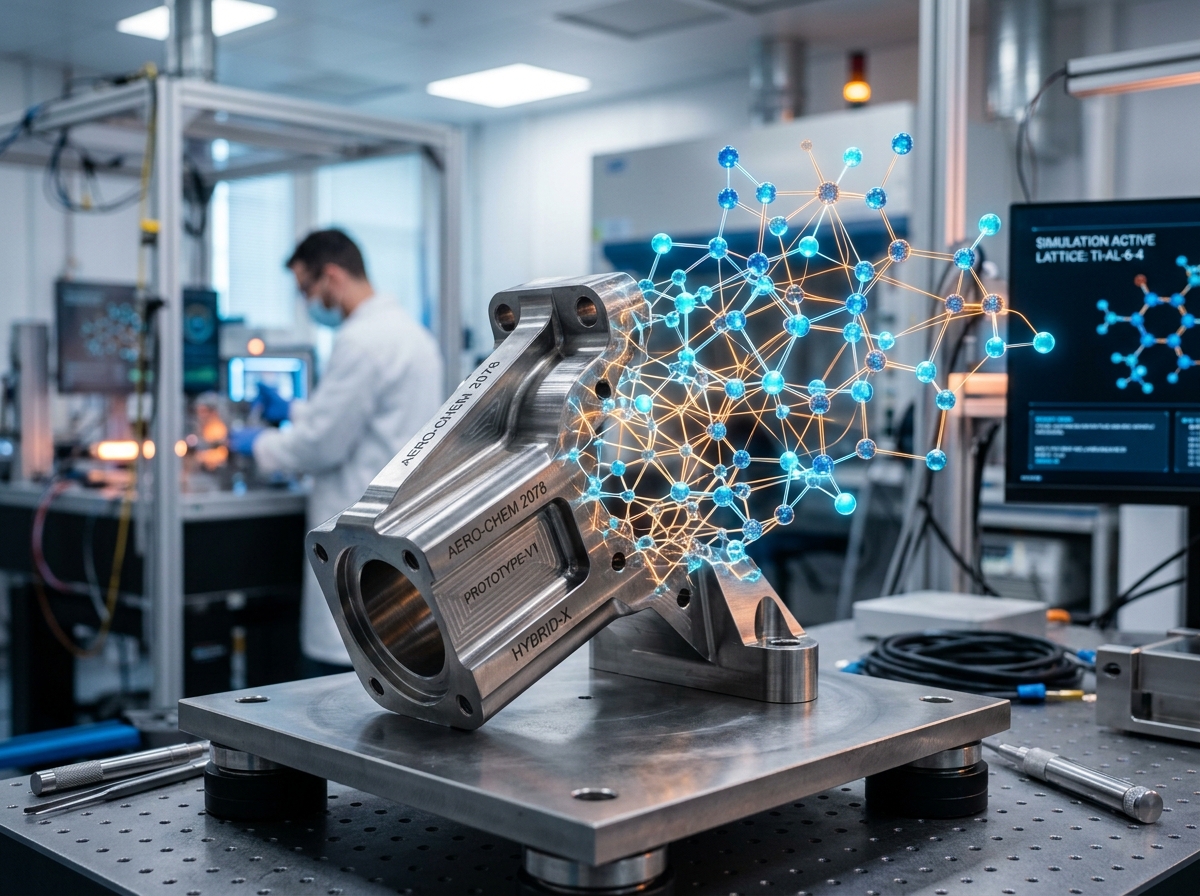
Automotive, aerospace, and pharmaceutical companies routinely execute massive computational chemistry workloads, typically relying on classical high-performance computing clusters to model materials, catalysts, and aerodynamic behavior. Quantistry's cloud-native platform provides a combination of quantum chemistry tools and a proprietary machine learning layer designed to automate simulation setups. This allows users without deep quantum expertise to model chemical compounds or material configurations with precision, automatically routing those tasks through classical, AI-driven, or quantum computing resources.
This automated routing capability prevents industrial R&D teams from having to rebuild their entire workflows to test a single quantum algorithm. Quantistry's architecture maintains familiar operational sequences, integrating quantum elements precisely where they offer computational advantages. IQM leadership noted that this structure allows organizations to build proof-of-concept applications immediately and scale them as quantum hardware matures, ensuring continuity across simulation, optimization, and hardware acceleration.
Analysts at McKinsey estimate that quantum applications in chemicals and materials alone could generate $200 billion to $700 billion in value by 2035. Driven by this commercial potential, hardware vendors are increasingly competing to offer integrated software stacks capable of supporting domain-specific workloads. IQM's software expansion mirrors similar full-stack strategies deployed by industry peers, including IBM Quantum, Rigetti Computing, and Quantinuum.
In the European policy environment, the European Commission has committed more than €1 billion to quantum technologies through the Quantum Flagship program, fostering an ecosystem that supports cross-disciplinary capabilities. By acquiring Quantistry's team of quantum chemistry and machine learning specialists, IQM deepens its technical resources to support sustained, long-term collaborations with industrial customers navigating regional innovation initiatives.
Because enterprise R&D departments frequently approach quantum computing through limited pilot projects, they require toolchains that minimize the operational risks of early-stage experimentation. Embedding Quantistry's cloud-native platform into its broader offering enables IQM to provide customers with an initial simulation environment before they directly engage with physical quantum processors, substantially lowering the technical barrier to entry.
Industrial customers are increasingly evaluating hybrid quantum-classical workflows as described in the NISQ (Noisy Intermediate-Scale Quantum) computing paradigm developed by NIST. The NISQ framework highlights the necessity for hardware-aware algorithms capable of operating within current, error-prone quantum environments. Software teams possessing specialized chemistry and materials knowledge are essential for shaping these algorithms to operate efficiently within actual industrial constraints.
This strategy addresses an emerging operational model where enterprises are evaluating not only how to access quantum systems, but how to eventually own and operate them within long-term innovation pipelines. Foundational tools like simulation workflow platforms influence how these organizations will scale their quantum deployments. Providing end-to-end continuity from classical modeling to quantum acceleration positions IQM as a comprehensive partner capable of supporting enterprise evolution over the next decade.
The Quantistry asset acquisition signals a deliberate focus on industrial application readiness. IQM's strategy relies on the premise that widespread quantum adoption requires pairing maturing hardware with specialized, domain-specific software platforms. As the market expands and public investment continues, providing robust full-stack capabilities remains critical for bridging the gap between quantum theoretical potential and functional enterprise utility.