 ⬇️
⬇️
Key Takeaways
- Downtown Minneapolis is being evaluated as a potential hub for data center redevelopment amid sustained office vacancies.
- Strong national demand for AI and cloud infrastructure is drawing investor attention to underused urban buildings.
- Cooling, power, and water constraints remain hurdles that shape which buildings and districts are viable for conversion.
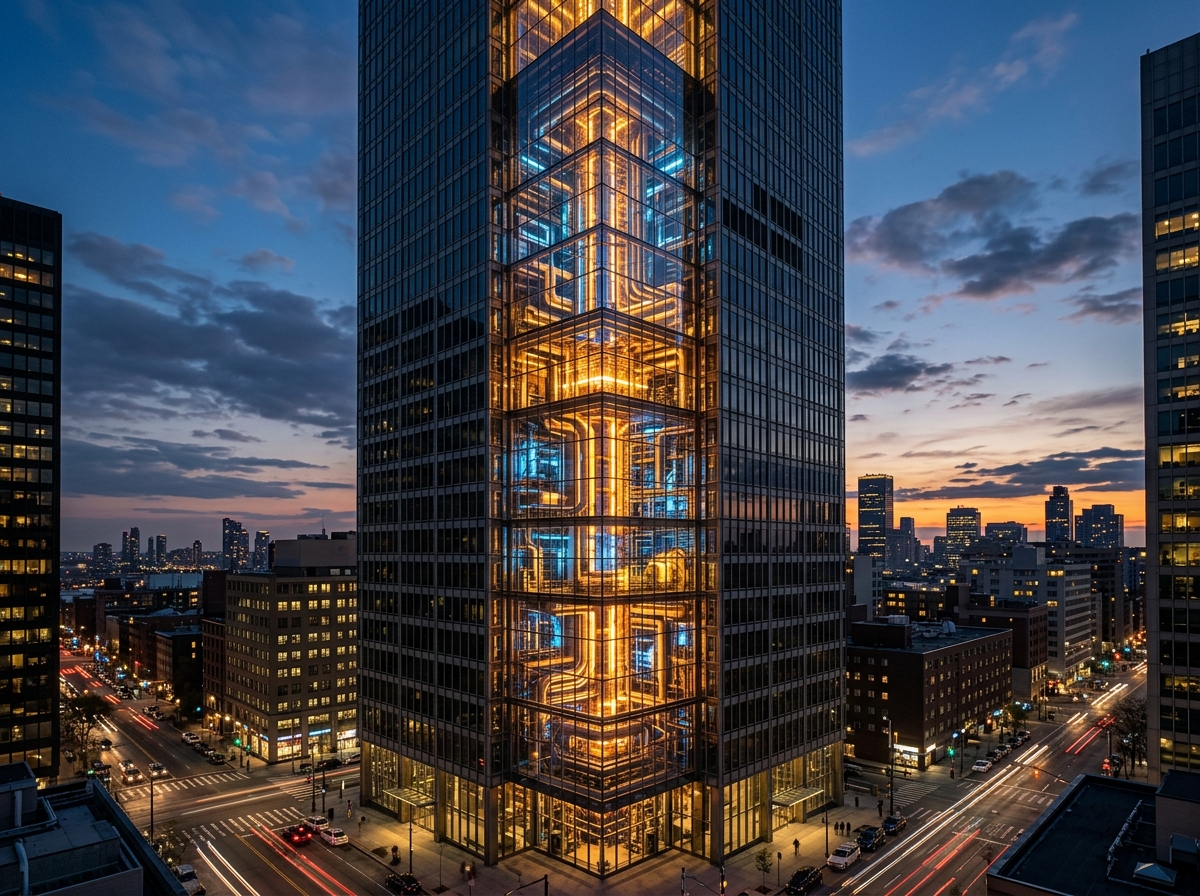
Downtown real estate leaders in Minneapolis are actively evaluating converting empty offices into data centers. The concept is fueled by elevated local office vacancies stretching through 2024 and 2025, combined with sustained national demand for AI and cloud infrastructure.
Axios previously highlighted the Sleep Number headquarters in Minneapolis as a potential data center conversion candidate, signaling to investors that national operators are actively assessing the market.
Analysts at organizations like Gartner note that AI workloads are driving increased power-intensive computing. For a city with a large inventory of wide floor plates and structurally sound high-rises, developers are running the numbers on potential retrofits to absorb excess space.
Research from Deloitte indicates continued interest in colocation and hyperscale capacity despite tighter financing constraints. Existing urban grid connections, fiber routes, and loading docks appeal to operators looking to bypass greenfield development delays.
The U.S. Department of Energy has warned that data center electricity use could reach a large share of national demand by 2028. While Minnesota maintains a relatively stable utility environment, the power required for AI clusters exceeds what most downtown buildings were designed to deliver, frequently requiring upgrades to existing substations to support continuous industrial use.
Water use constraints materially shape conversion viability. As cooling requirements climb, efficiency guidelines from ASHRAE and the U.S. EPA push operators toward advanced water management. Retrofitting high-density cooling loops into 1980s office floors requires substantial capital, but the prospect of securing long-term, creditworthy tenants continues to drive redevelopment models.
Analysts at Statista project ongoing growth in enterprise cloud workloads, reinforcing the focus on urban reuse. While suburban sites remain popular for hyperscale buildouts, reusing an existing central business district concrete frame can significantly reduce construction schedules.
Minneapolis office recovery has been slower than anticipated, with CBRE reporting persistent vacancy throughout 2024 and 2025. These sustained vacancies are prompting building owners to evaluate alternative tenant models. Data centers introduce different financial structures, including alternative rent calculations, power pass-throughs, and long-term operating agreements, that can stabilize underperforming assets.
Current assessments focus on whether operators will retrofit entire towers or limit conversions to lower floors and mechanical areas. Accelerated AI investment cycles have shifted planning timelines, leading developers to conduct detailed feasibility tests on electrical risers, fiber routes, and structural chillers.
While data centers do not generate street-level retail traffic, they establish an industrial tax base capable of funding broader urban infrastructure. Minneapolis officials are evaluating how integrating major data operators could offset municipal budget impacts associated with vacant offices.
The prospect of as much as $1 billion in future data center investments from a Virginia-based firm has demonstrated tangible market interest in the region. Operators such as CoreSite, Aligned Data Centers, and T5 Data Centers exemplify the sector's tenant base that possesses the retrofit expertise necessary for this type of urban expansion.
Upcoming development phases involve structural assessments, energy modeling, and utility negotiations to secure adequate power allocations. As hyperscale and colocation operators expand, adaptive reuse in urban centers provides a viable mechanism for repurposing aging infrastructure while meeting ongoing digital demands.