 ⬇️
⬇️
Key Takeaways
- Nvidia and SK Group unveiled an initiative worth more than $500 billion covering AI data centers and next-generation memory.
- SK Telecom plans a 2-gigawatt AI data center using Nvidia Vera Rubin chips and SK Hynix HBM4, with the first facility due online in 2027.
- The partnership tightens the link between computing capacity, high-bandwidth memory supply, networking and power availability.
The AI infrastructure race is moving beyond purchases of graphics processors. Nvidia and South Korea's SK Group are combining data center development, telecommunications capacity and advanced memory supply in an initiative valued at more than $500 billion, according to Reuters.
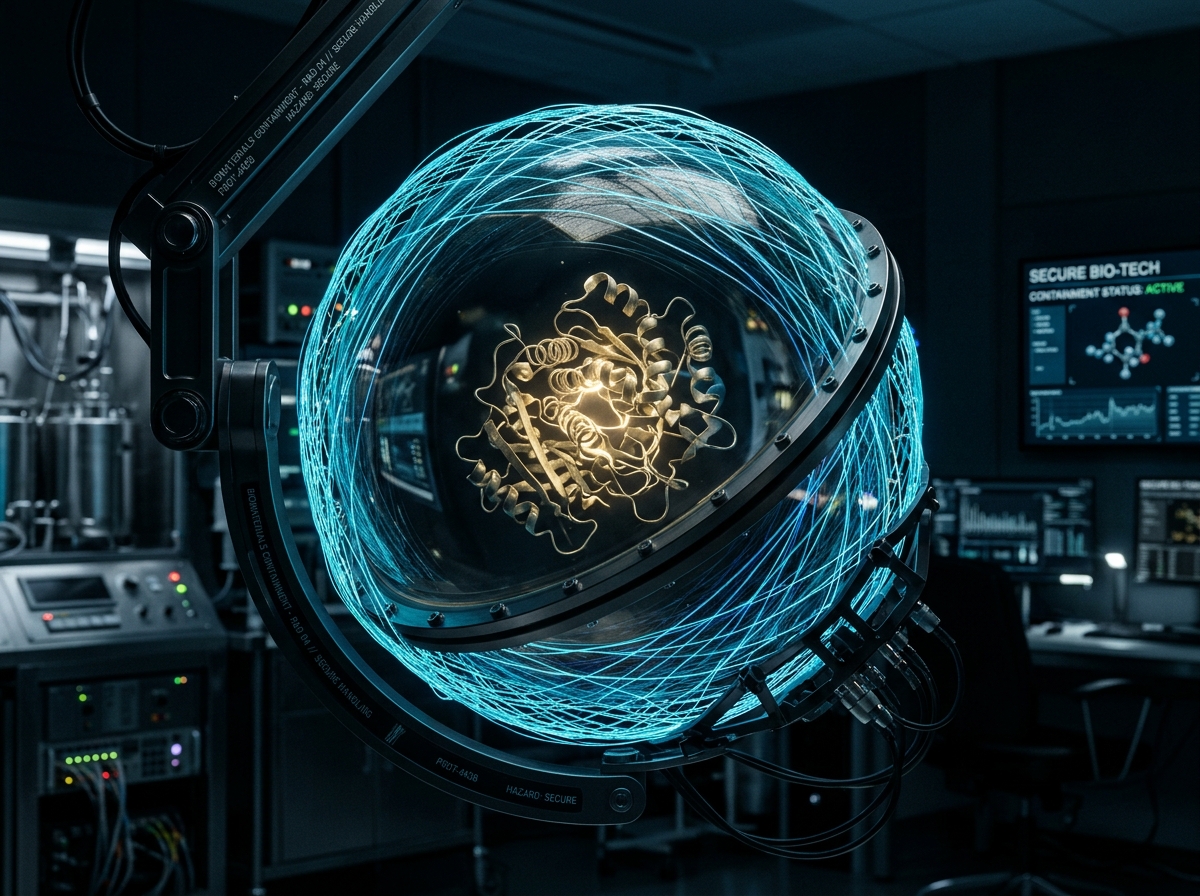
At the center of the initiative is a long-term partnership between Nvidia and SK Hynix. The companies plan to secure next-generation memory supplies for Nvidia while jointly developing high-bandwidth memory, or HBM, for AI training, AI agents and physical AI applications.
That arrangement reflects a basic constraint in modern AI systems. A processor may provide enormous computing capacity, but its performance can be limited if data cannot move to and from memory quickly enough. HBM addresses that problem by placing stacked memory close to the processor and supporting much higher data-transfer rates than conventional memory configurations.
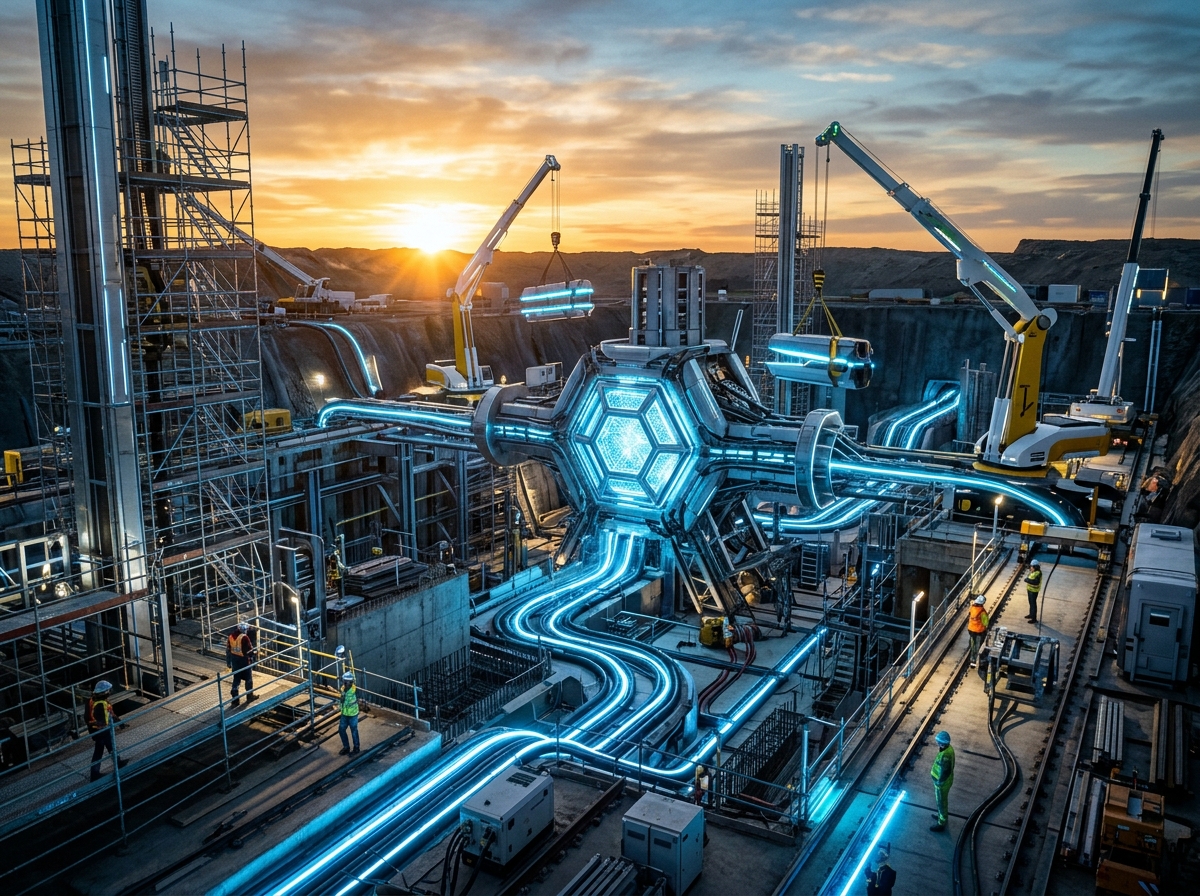
SK Telecom will provide another major piece of the initiative. It plans to build a 2-gigawatt AI data center powered by Nvidia's Vera Rubin chips and SK Hynix's HBM4 memory. Nvidia said the first facility is due to come online in 2027.
Two gigawatts is a striking power target. It also shows how data center strategy is becoming energy strategy, especially as operators assemble dense clusters for model training and inference. The International Energy Agency has estimated that electricity consumption from data centers, AI and cryptocurrency could rise above 800 TWh globally in 2026, compared with 460 TWh in 2022.
Procuring accelerators represents just one facet of deploying an AI cluster. Operators also need suitable land, grid connections, cooling systems, high-speed networking, memory capacity and software that can coordinate thousands of processing units. Delays in any one layer can leave expensive equipment underused.
The Nvidia and SK Group initiative approaches those dependencies as a connected supply chain. Nvidia contributes the accelerator architecture and computing platform. SK Hynix supplies advanced memory. SK Telecom brings telecommunications and data center capabilities. That combination could help reduce coordination problems as the partners move toward deployments based on Vera Rubin and HBM4.
Standards will matter too. HBM products are developed around specifications maintained by JEDEC, while large AI clusters commonly depend on high-speed networking governed by standards such as IEEE 802.3 Ethernet. Interoperability, thermal performance and reliability become harder to manage as power density and system scale increase.
Why commit so far ahead when AI hardware generations change quickly? Capacity planning offers part of the answer. Advanced memory production takes time to expand, and large data centers face long development cycles for permitting, construction, power procurement and cooling. Long-term agreements can give Nvidia greater visibility into memory availability while giving SK Hynix clearer demand signals for HBM investment.
The announcement also includes a separate South Korean data center project. Nvidia said it is working with Naver and Brookfield to expand Naver's AI data center in South Korea. Although separate from the SK Group initiative, that plan reinforces South Korea's emerging role as both a producer of AI components and a location for large computing facilities.
There are execution risks. A 2-gigawatt development will depend on power availability, construction schedules and customer demand. New generations of accelerators and HBM also require demanding qualification work before they can be deployed at scale. Meanwhile, Samsung Electronics and TSMC remain influential across the broader semiconductor supply chain, keeping competitive pressure high.
Still, the direction is clear. Nvidia is seeking more control and visibility across the infrastructure surrounding its processors, while SK Group is positioning memory, telecommunications and data center assets around rising AI demand. For enterprise buyers, the initiative signals that future AI capacity may increasingly arrive through tightly coordinated ecosystems rather than isolated purchases of servers, chips or cloud services.