 ⬇️
⬇️
Key Takeaways
- SB Energy is reportedly exploring a massive energy strategy, with potential capacity targets reaching 9.2 gigawatts in the US Midwest
- The proposed infrastructure would rival the largest US power plants, with projected costs of $33 billion highlighting the scale of AI energy demand
- Long timelines, supply chain constraints, and significant emissions raise strategic and environmental questions for the initiative
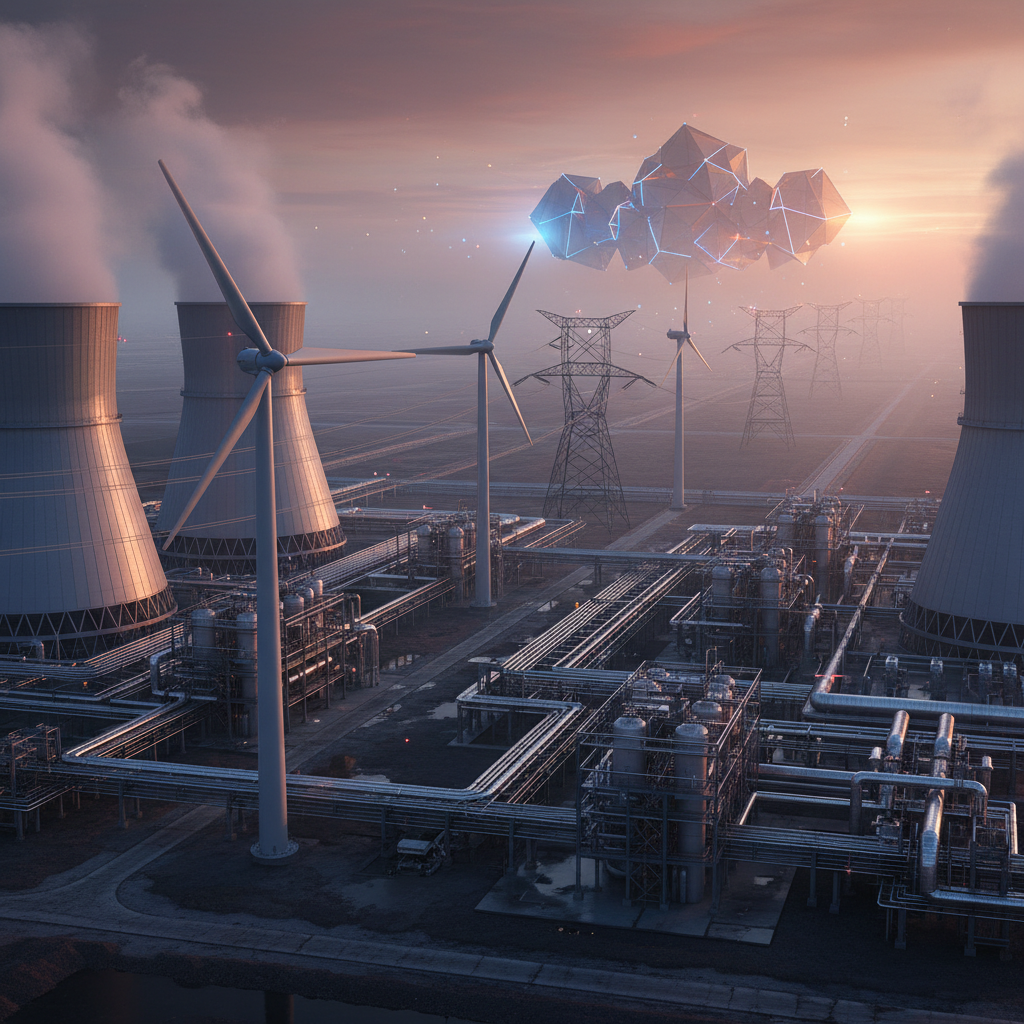
SoftBank is preparing to make one of the most eye-catching energy bets in recent memory, reportedly pushing forward with a plan for its subsidiary SB Energy to develop massive natural gas power infrastructure, potentially targeting the Ohio-Kentucky border region. Details suggesting a 9.2 gigawatt capacity goal surfaced in recent industry discussions and quickly grabbed the attention of energy analysts due to the sheer scale involved. If built as proposed, such a project would surpass every existing power station in the United States. The generation capacity alone would be enough to supply electricity to roughly 7.5 million homes, a figure that stands out even in today’s infrastructure build-out cycle.
The headline number tells part of the story. A reported $33 billion budget places the project far above the cost of recently constructed natural gas facilities. These costs have already been climbing due to high materials prices and financing pressures. Whether ratepayers, investors, or partners ultimately absorb the premium remains unclear. Historically, utilities have passed new capacity costs to consumers, although the regulatory landscape in the region sometimes complicates that pattern. Energy markets in the Midwest have also been shifting, and that could influence how the project is financed.
Here is where things get more interesting. SoftBank’s involvement overlaps with its reported interest in collaboration with OpenAI on massive infrastructure initiatives like the Stargate project, which has already triggered curiosity about long-term data center power demands. SB Energy has not confirmed whether this new capacity would supply the broader grid or be dedicated in part to digital infrastructure loads. OpenAI and SoftBank have been linked to ambitious infrastructure concepts, and the industrial Midwest—home to sites like the former GM Lordstown factory—offers the type of land and grid access that suggests companies are examining colocated generation and compute. The fact that new plants would be built in this region adds a practical layer, even if the companies have not acknowledged a specific joint facility.
Then again, major natural gas projects rarely move in straight lines. A facility of this size could take nearly a decade to bring online. That timeline does not include permitting disputes or construction slowdowns. Manufacturers of large gas turbines have been dealing with equipment shortages, elongated delivery cycles, and competing global orders. All of that adds friction. If SB Energy is truly committed to this path, it will need to navigate a messy implementation landscape.
There is also the carbon question. A plant of this capacity would emit around 15 million metric tons of carbon dioxide per year based on widely available energy use benchmarks. That is already substantial. When including methane leakage across the natural gas supply chain, the total climate effect could rise even further. Methane intensity varies sharply by geography and operator practices, so the eventual impact would depend on procurement decisions SB Energy has not yet detailed. Still, environmental oversight groups are likely to scrutinize the project from the start.
Some industry observers, including those cited in broader Bloomberg analysis of the sector, have pointed out that the United States is simultaneously accelerating utility-scale solar and battery storage deployment. That raises a natural question: why back a gas plant of this magnitude today? Part of the answer may lie in reliability. Grid planners have warned about the pace of data center growth outstripping available generation and transmission capacity. Natural gas plants, despite their emissions, deliver firm power in ways that renewable assets cannot match without extensive storage. Firms building next-generation AI infrastructure know this, and it has already influenced power procurement strategies across the tech sector.
On the other hand, long build times introduce risk. Energy markets can change quickly. The economics of storage, small modular nuclear technologies, and advanced demand response programs are all evolving. A decade is a long window, and no one can predict with certainty how competitive a massive gas plant will be once completed. The design and financing approach SB Energy chooses could determine whether this becomes a strategic asset or a stranded one.
For local communities, the project brings its own mix of uncertainty and opportunity. Large construction efforts often create jobs and downstream economic activity. At the same time, they can raise debates about air quality and land use. Because the plan sits on a state border, cross-jurisdictional coordination could become another factor to manage. Regional stakeholders have already been juggling a wave of new manufacturing investments, so adding a project of this magnitude will reshape the planning landscape.
Despite the open questions, the signal is clear. SoftBank is willing to attach real capital to large-scale US energy infrastructure at a moment when both the grid and the tech sector are under pressure to expand capacity. Whether the plant ultimately serves traditional utility customers, data centers, or some mix of both remains to be seen. For now, the reports underscore just how much the demand curve for electricity is shifting, and how far major investors might go to secure supply in the years ahead.