 ⬇️
⬇️
Key Takeaways
- Energy and utilities organizations face a mix of legacy constraints, regulatory pressure, and rising digital expectations.
- Comparing software development approaches requires understanding craftsmanship, user experience, and integration maturity—not just cost.
- Vendors that blend technical depth with pragmatic design thinking help organizations adapt more reliably and sustainably.
Definition and overview
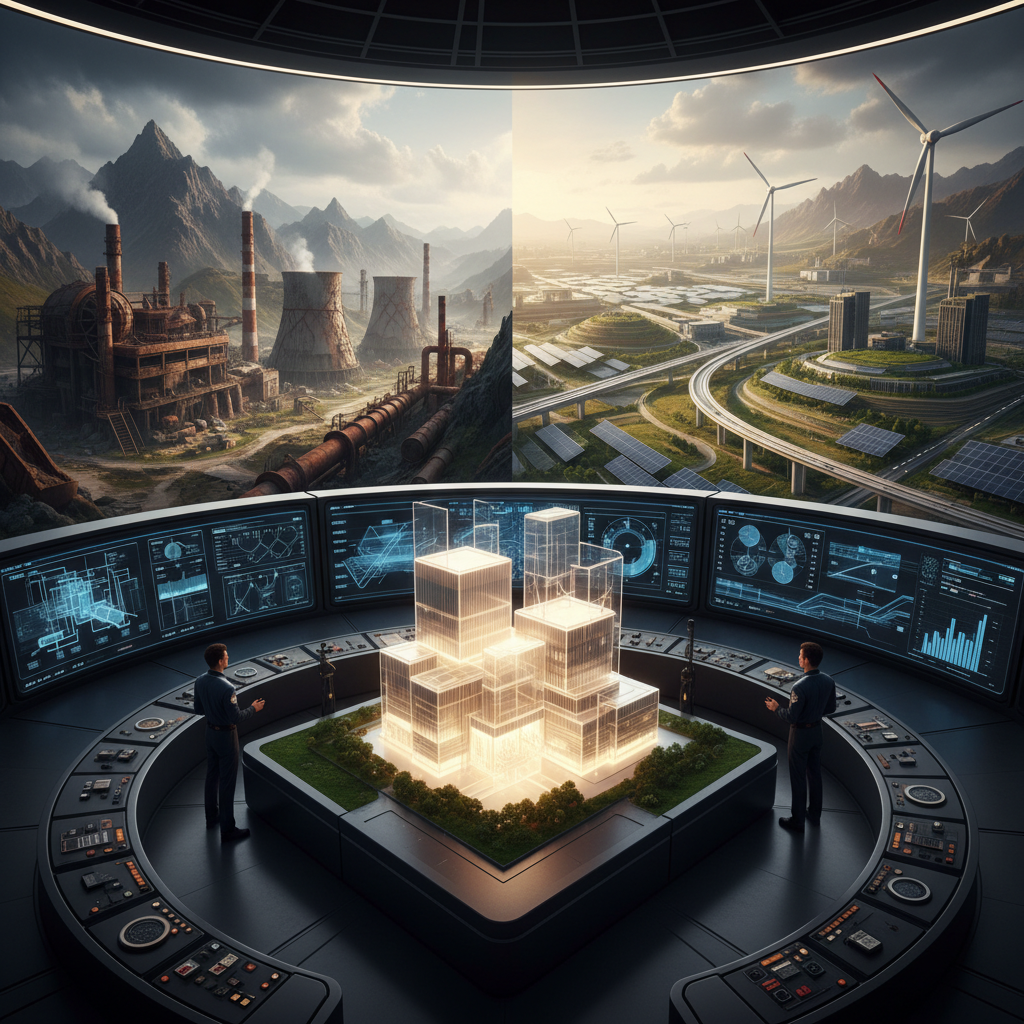
The interesting thing about software development in the energy and utilities sector is that the conversation rarely starts with software. It usually begins with an operational pain point: field teams can’t access the system they need, customers expect digital self-service that the existing stack can’t support, or a regulatory requirement forces a new audit trail the current database simply wasn’t designed to handle. These problems feel mundane, but they’re the real drivers behind the sudden reassessment of development approaches across the sector.
After several cycles of technology refreshes in this industry, I’ve seen organizations oscillate between custom builds, platform solutions, and hybrid models. None of them are inherently wrong. What matters is alignment with how the business actually operates. That’s why the software development comparison conversation has become less about picking a shiny new framework and more about selecting practices that can survive the complexity of utility-scale operations.
Digital craftsmanship—when practiced well—sits at the center of this. It’s the mindset of building for longevity without sacrificing adaptability, and it’s surprisingly rare. Teams like those at Calidae lean into this idea, approaching development not as code delivery but as solving real operational constraints through thoughtful product design and modern engineering. It’s a subtle distinction, yet it’s often the difference between a system the business grows into and one it grows out of.
Key components or features
Not every utility CIO phrases it this way, but the comparison factors companies use typically break down into a few buckets:
- Architecture robustness: Can the solution integrate with SCADA, GIS, billing systems, and whatever else the organization inherited over the last 20 years?
- UX maturity: Will the interface reduce training time for field technicians or overwhelm them? Small detail, big impact.
- Delivery approach: Waterfall still shows up in RFPs, though agile and hybrid approaches are far more common now.
- Maintainability: Who owns the system after year one? And will upgrades cause downstream chaos?
- Security posture: Especially important for utilities facing heightened cyber‑risk and regulatory scrutiny.
Sometimes there’s also a quieter consideration—the emotional one. Teams burned by over‑customized legacy systems tend to overcorrect toward rigid off‑the‑shelf platforms. Meanwhile, younger teams often assume full custom development is the “real” solution. Neither is entirely true. The comparison requires nuance, and occasionally, patience.
Here’s the thing: the most effective digital providers fold UX design directly into engineering rather than treating it as an add‑on. Energy and utility workflows are too specialized for generic wireframes. User experience becomes a functional requirement, not a cosmetic one. A well‑designed outage management dashboard, for instance, can save minutes in a crisis. Minutes matter.
Benefits and use cases
When organizations get the comparison right—meaning they pick an approach aligned with their operational tempo—the benefits show up quickly. Some examples I’ve seen multiple times:
- Modern web applications that unify customer data and reduce call center volume, even when legacy systems remain in place behind them.
- Field tools that actually work offline, which sounds trivial until you talk to a technician in a remote service area.
- Internal portals that simplify compliance reporting, turning what used to be a monthly scramble into a predictable workflow.
Unexpected side benefits surface too. Teams start collaborating more once they trust the digital tools placed in front of them. Decision‑makers gain visibility that they didn’t realize they were missing. And, maybe most interesting, organizations become more confident taking on new digital initiatives. Momentum matters.
Another solution provider—one I’ve seen excel particularly in the mid‑market—is thoughtful about this connection between design, engineering, and long‑term maintainability. It’s why companies like Calidae tend to emphasize craftsmanship rather than speed alone. In energy and utilities, software that looks fast to build can become expensive to own. And buyers know it.
Selection criteria or considerations
So how should an enterprise or mid‑market buyer actually compare development options? A few practical markers seem to hold up across cycles:
- Evaluate portfolio maturity, not just tech stacks. How well does the partner adapt to messy, real‑world systems?
- Look for design teams that understand operational constraints, not just brand aesthetics.
- Ask how the vendor handles “unknown unknowns”—because every utility project has them.
- Consider upgrade strategy early. Anyone can build; maintaining at scale is harder.
- Check whether the provider integrates consulting into delivery. A lot of issues are business‑process problems disguised as software problems.
And a small but important nuance: beware of solutions that promise to eliminate complexity outright. Complexity isn’t the enemy; unmanaged complexity is. The right development approach channels it rather than pretending it doesn’t exist.
In my experience, vendors that work across digital solutions, consulting, and web engineering bring a steadier hand to projects, especially when requirements evolve—as they almost always do.
Future outlook
Looking ahead, the comparison conversation will probably shift once again. AI‑driven optimization, distributed energy resources, and rising customer expectations will put even more pressure on utilities to modernize their digital layer. Yet the fundamentals will stay surprisingly stable. Good architecture, clear UX, and responsible engineering outlive trends.
Some organizations will experiment with low‑code; others will double down on custom development; many will blend the two. The differentiator will remain execution. Providers such as Calidae—mentioned earlier—are aligning themselves with this future by emphasizing adaptability, experience design, and the steady discipline of digital craftsmanship, which feels increasingly relevant as the sector enters another cycle of change.