 ⬇️
⬇️
Key Takeaways
- Synapse Data Center intends to invest over two years to expand a facility supporting growing AI workloads
- Rising demand for high-density power and accelerated computing is reshaping data-center build strategies
- Operators across the sector are rethinking power, cooling, and location decisions as AI infrastructure scales
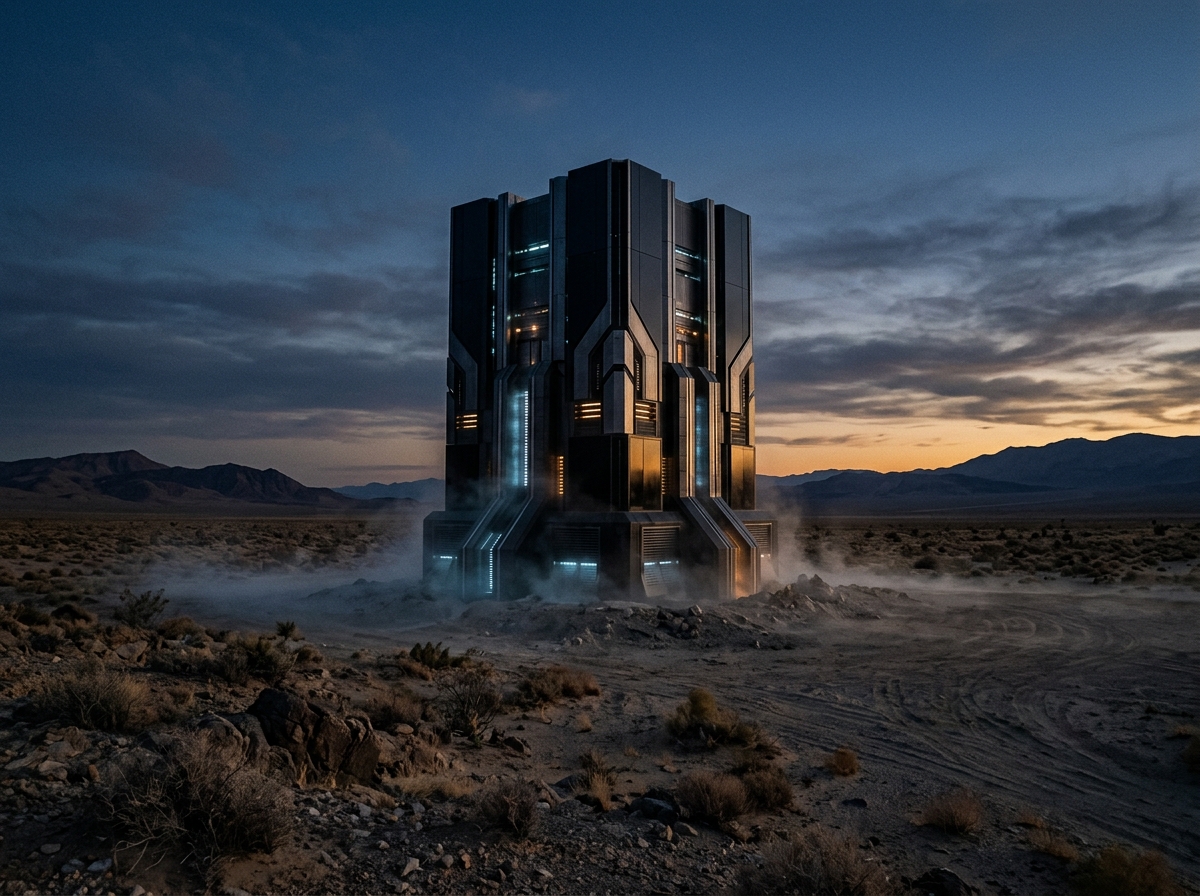
The steady march of artificial intelligence is forcing infrastructure leaders to rethink how quickly they can build and how much power they actually need. One example is Synapse Data Center, which plans to channel funding over the next two years into expanding a facility designed to handle AI-driven compute demands. The move reflects a broader shift across the data-center industry as operators rush to keep pace with surging interest in large-scale model training and inference.
AI workloads are very different from the traditional enterprise applications data centers supported a decade ago. Compute density now dominates planning conversations, pushing operators to revisit electrical and cooling designs that once felt stable. And here’s the thing—those designs weren’t meant for racks filled with GPU clusters drawing massive amounts of power per square foot. So when one operator publicly signals a new multi-year investment cycle, others tend to watch closely.
Under the hood, these expansion initiatives usually revolve around three pressure points: power availability, land access, and supply-chain coordination. Power is the most obvious. The rise of generative AI has pushed hyperscalers and enterprises into a race for capacity, one that has strained local utilities in several major markets. Some analysts have noted that requests for new electrical service can now dwarf what regional grids expected even five years ago. That said, AI investment also brings opportunities for municipalities seeking long-term economic anchors.
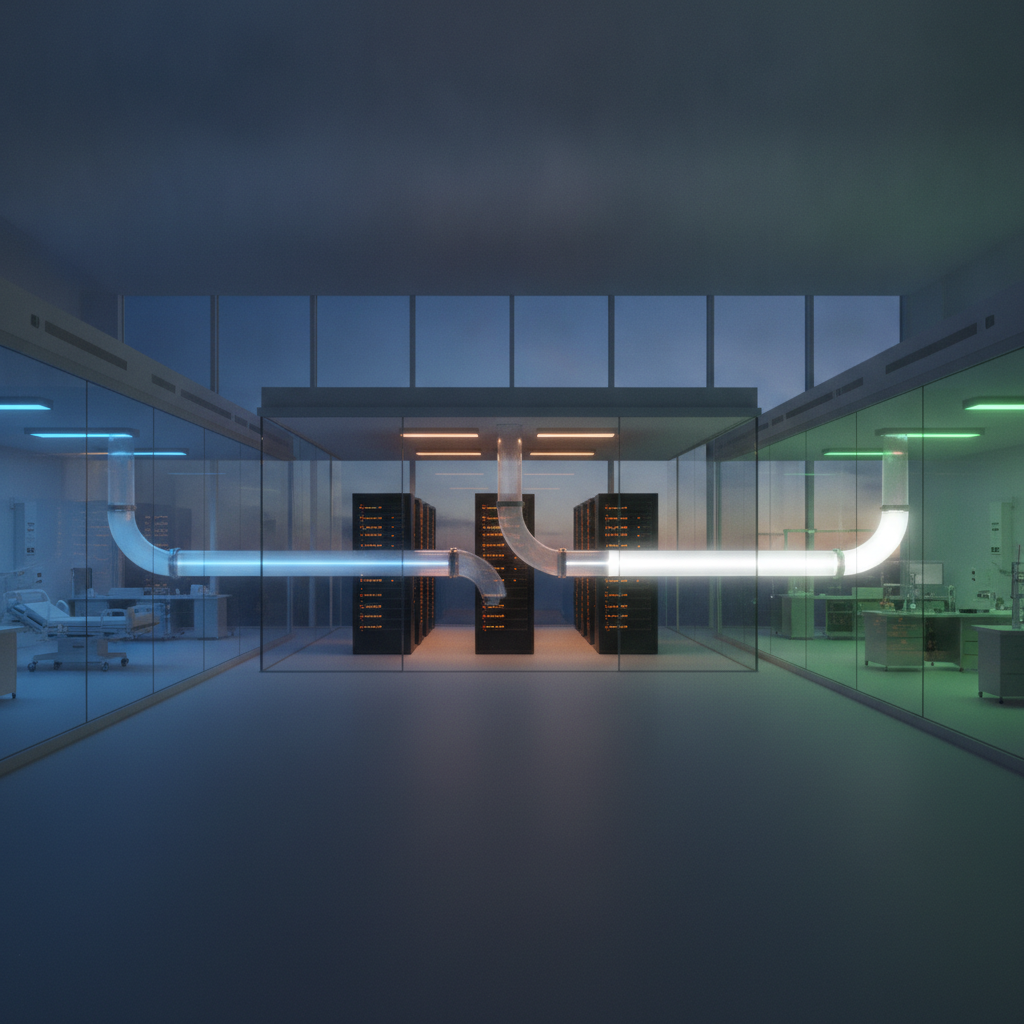
Not every data-center build story has to be about megawatts, though. Sometimes the micro-decisions matter. For example, where to place AI-specific server halls versus legacy compute rooms can influence airflow patterns and cooling efficiency. It’s a small thing on paper, but it shapes day-to-day operations. And anyone who has worked near chillers during peak summer loads knows how quickly unexpected temperature data can become a conversation.
Synapse’s planned funding indicates that operators increasingly expect AI demand to remain elevated for several cycles. The next two years are likely to be particularly important, as many organizations transition from pilot AI deployments to full-scale production systems. Why now? Because once AI models move from experimentation to operational use, their compute needs don’t shrink. They often grow—sometimes dramatically—as inference traffic increases.
Industry observers have pointed out that this demand shift is also reshaping data-center geography. Markets once considered secondary are now gaining traction because they offer faster permitting or more flexible power arrangements. It’s a reminder that data-center expansion is no longer dictated purely by proximity to end users; the availability of grid capacity and the potential for long-term power contracts can be just as decisive.
Another factor lurking in the background is the evolving role of cooling technology. Liquid cooling, once discussed mostly in research circles, is now a realistic option for high-density AI deployments. Operators aren’t universally adopting it, but many are evaluating hybrid configurations. This is happening in part because GPUs simply generate more heat, and traditional air-cooling architectures struggle at extreme densities. Yet it’s also tied to operational preferences—liquid systems can require different maintenance workflows and staff training. These practical considerations sometimes slow adoption even when the technology is sound.
At the edges of these decisions sits the supply chain. Equipment lead times remain inconsistent across categories. Transformers, switchgear, and high-capacity cooling systems often face the longest delays. It’s not unusual for operators to navigate 12- to 24-month procurement windows for certain components, a timeline that can profoundly shape construction schedules. So when a provider commits funding across a two-year period, it often signals a strategic alignment with those realities.
Still, AI growth doesn’t eliminate the basics. Fiber connectivity, redundancy planning, and physical security continue to anchor project design. It’s easy for conversations to drift toward GPUs and accelerators—which are certainly important—but even the most advanced AI facility must uphold standard reliability principles. Downtime is expensive no matter what workload is running.
One small but interesting tangent: edge data centers are getting pulled into AI planning in unexpected ways. While large model training happens in centralized locations, certain inference or data-preprocessing tasks can occur closer to where data is generated. Some operators are experimenting with hybrid buildouts—large AI-optimized hubs paired with lighter, distributed nodes that handle real-time tasks. It’s early, but the idea keeps resurfacing in infrastructure forums.
Synapse Data Center’s investment plan fits into this increasingly complex puzzle. As the industry seeks to balance rising AI needs with grid constraints, regional dynamics, and evolving cooling methods, multi-year funding commitments may become the norm rather than the exception. Whether every operator can keep pace is another question entirely. But for now, the signal is clear: AI is accelerating data-center expansion, and the next few years will test how quickly providers can adapt.