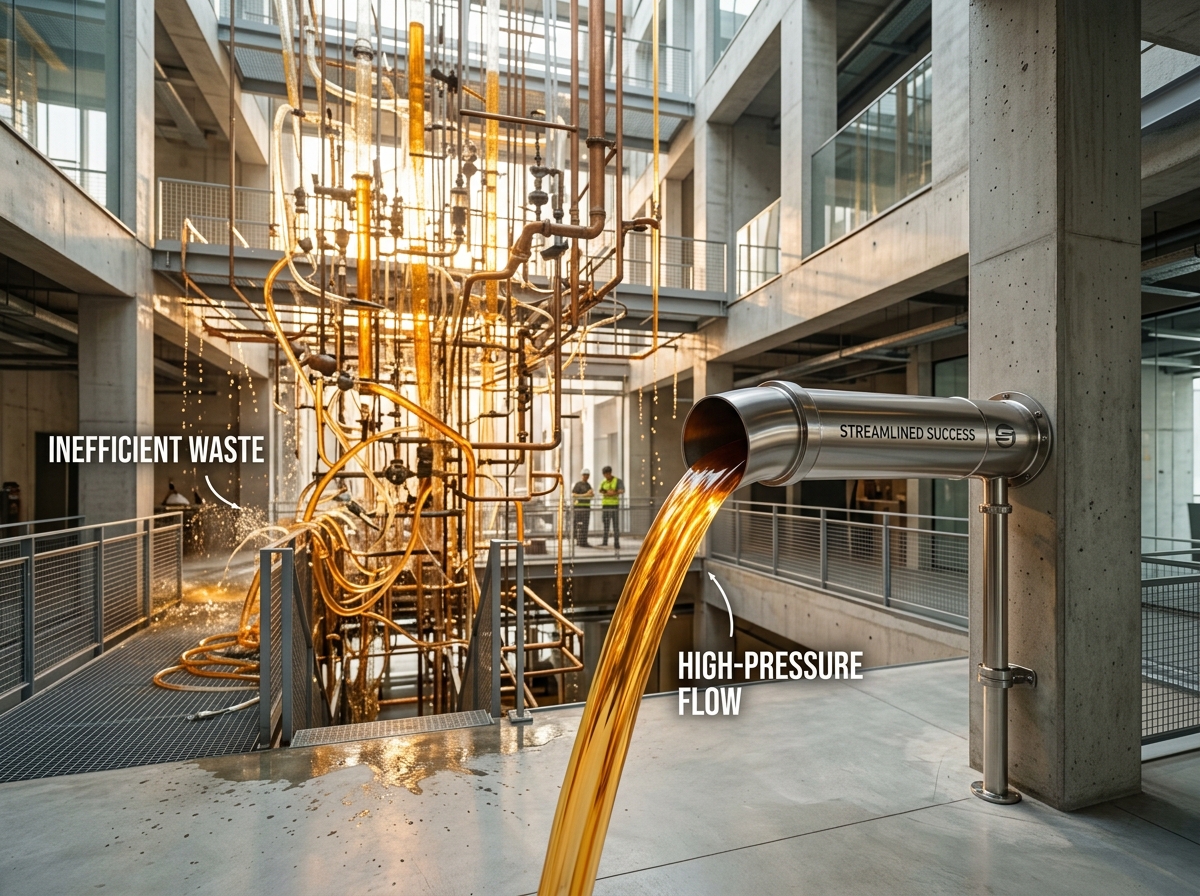
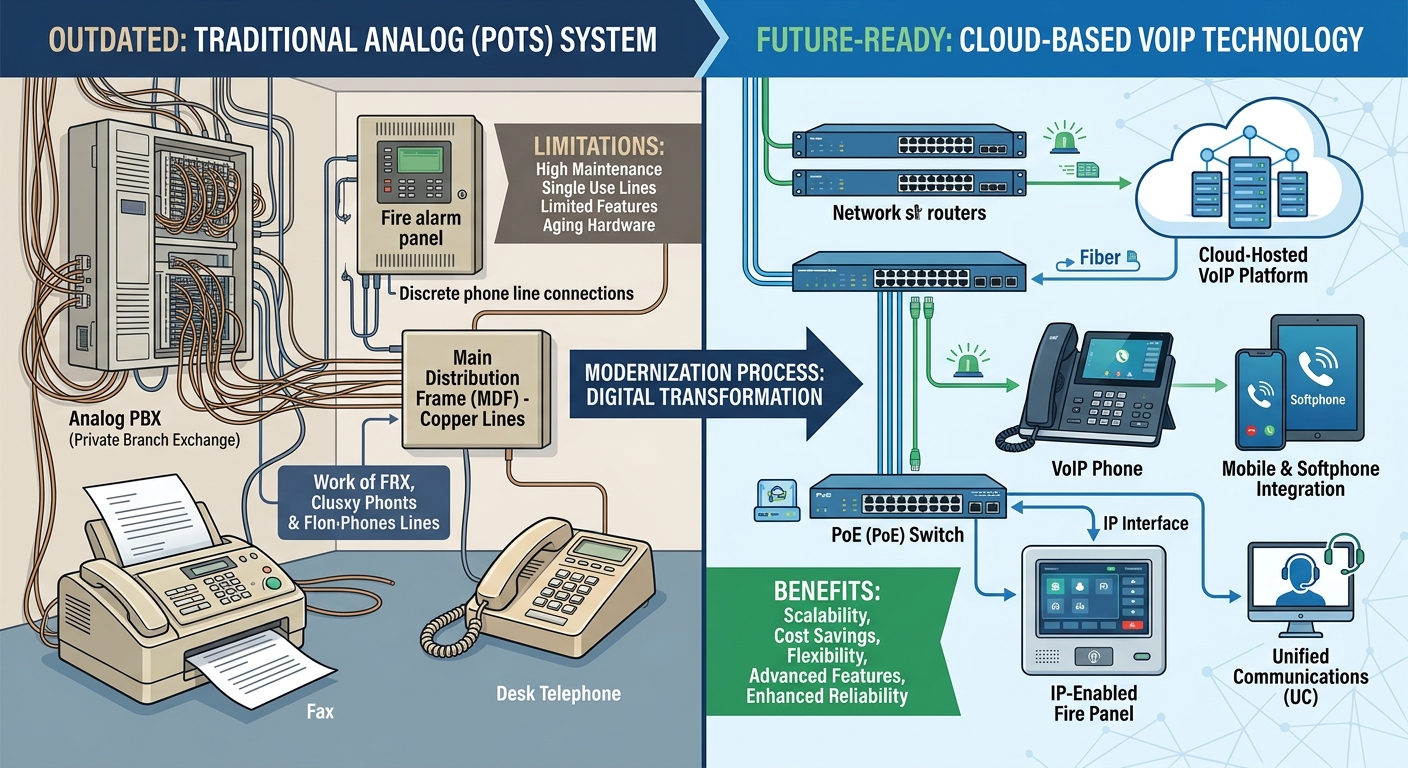
 ⬇️
⬇️
Key Takeaways
- Transportation and logistics companies are being pushed to modernize because customer expectations and operational pressures are rising faster than legacy systems can handle.
- Managed IT Services, Networking Solutions, and End-User Computing capabilities are becoming foundational to keeping fleets, warehouses, and distribution centers running smoothly.
- A practical use case shows how the right consultancy approach reduces downtime, improves visibility, and builds a more resilient technology foundation.
The Challenge
Transportation and logistics organizations are dealing with a strange mix of old and new pressures. On one side, customers expect real-time delivery visibility, tighter delivery windows, and smoother digital experiences. On the other side, many logistics environments still rely on fragmented systems that were never designed to integrate with modern routing, telematics, or warehouse automation tools.
Today, the operational tempo is only getting faster. The sector keeps talking about resiliency, but that concept means something very specific now. It is not simply about backup servers or spare trucks anymore. It is about making sure the flow of data between dispatchers, drivers, warehouses, and partners stays reliable even as networks spike and endpoints multiply.
A mid-market distribution company recently summed it up during an assessment: they said their biggest fear was not a major cyber event, but a two-hour network outage at a key depot. Why? Because that single outage would ripple across three states and dozens of customer sites.
That is the kind of pressure that is pushing IT leaders to rethink their infrastructure decisions. The conversation often starts with simple questions. For example, is networking performance predictable across all facilities? Are endpoint devices reliable enough to handle day-to-day load? Do we actually have the right monitoring and managed support to keep things running?
The gap between what operations teams want and what IT teams can sustain is widening, and this is exactly where consultancy plays a bigger role than it did even a few years ago.
The Approach
Most organizations begin by looking at three core IT pillars. Managed IT Services to stabilize operations, Networking Solutions to unify connectivity, and End-User Computing Solutions to support the people who keep freight moving. The tricky part is sequencing these properly so upgrades in one area do not disrupt another.
A typical buyer journey starts with a discovery phase. Companies want an outside perspective, but they also want someone who understands how sensitive logistics timelines can be. A partner like ITProposal often steps in to map out dependencies, document legacy system constraints, and highlight the specific weak points that lead to delayed loads or misrouted freight.
Here is the thing. Transportation and logistics organizations have highly distributed environments, and each touch point exposes new failure risks. Forklift-mounted tablets, mobile handheld scanners, dispatch consoles, Wi-Fi coverage in large yards, VPN performance for remote drivers, and cloud apps used by the back office all need to work in harmony. That is a lot of moving pieces.
So the approach usually involves designing a roadmap that blends modernization with operational continuity. Companies prefer incremental rollout patterns instead of large, single-cutover initiatives. They cannot afford disruption. Yet they still need a clear path from where they are to where they need to be.
The Implementation
Consider a practical scenario involving a mid-sized regional logistics group with about a dozen distribution centers. They had operational slowdowns attributed to inconsistent wireless coverage, outdated laptops at cross-dock stations, and a patchwork of unmanaged switches installed at various times over the past decade.
The consultancy team started with an infrastructure baseline assessment, collecting device inventories, monitoring performance metrics, and walking each facility to validate network coverage. It took some time, since warehouses often behave like unpredictable RF environments.
After defining the problem areas, the next step was to implement managed IT services to stabilize daily operations. This included unified device monitoring, proactive patching, ticket response processes, and a central point of accountability.
Networking modernization followed. The team introduced a standardized switching architecture and upgraded warehouse access points. They also redesigned VLAN setups so routing and segmentation aligned with how the business actually worked. One interesting twist was identifying a bottleneck caused by outdated cabling in a single facility. Fixing it solved a recurring outage issue that operations had incorrectly attributed to their scanners.
Finally, end-user computing improvements rounded out the effort. Rugged tablets were refreshed, dispatch workstations were replaced with more reliable units, and a mobile device management solution was introduced so remote drivers could receive updates without coming back to a site.
All of this unfolded over several months. Some phases moved quickly, others needed pauses. Logistics operations ebb and flow, and the team had to adapt the project plan around peak seasons and planned transportation surges.
The Results
Although the organization was not aiming for a dramatic transformation, the combined improvements created several meaningful outcomes. Network performance stabilized across all distribution centers, and downtime that previously interrupted loading schedules was significantly reduced. Dispatch teams gained more confidence in their tools, and drivers experienced fewer connectivity issues when communicating status updates from remote routes.
Even simple things like faster workstation login times helped. It reduced delays at the start of each shift, which surprised leadership since it had never been flagged as a major issue. The organization also saw clearer visibility across their entire IT footprint, which allowed them to catch potential issues earlier.
No single technology change created the success. Instead, the layering of managed support, structured networking, and modernized endpoints built a more predictable operational backbone.
Lessons Learned
A few themes stood out from this scenario. First, logistics environments age unevenly. One distribution center may run smoothly while another struggles with outdated switching gear or underperforming tablets. You have to assess every location individually, even if leadership assumes everything is standardized.
Second, layering solutions in the right order matters. Managed services establish stability, networking modernization creates the foundation, and end-user computing improvements deliver the final operational lift. Trying to reverse that order usually creates unnecessary complexity.
And third, flexibility counts. Logistics operations can change day to day and week to week. Consultancy teams have to adjust timelines, communication plans, and on-site work based on operational realities. There is no perfect project plan, but there is a right attitude toward adapting it.
These lessons are becoming more common across the transportation and logistics sector. As the industry continues to modernize, companies are discovering that a thoughtful, staged IT consultancy approach can remove friction from everyday operations and build the technical resilience they need for the future.