 ⬇️
⬇️
Key Takeaways
- Dental groups are facing growing operational complexity that strains staff and patient experience
- Managed services built around unified communications, analytics, and AI are reshaping how practices operate
- A practical, phased implementation approach helps dental organizations see meaningful gains quickly
The Challenge
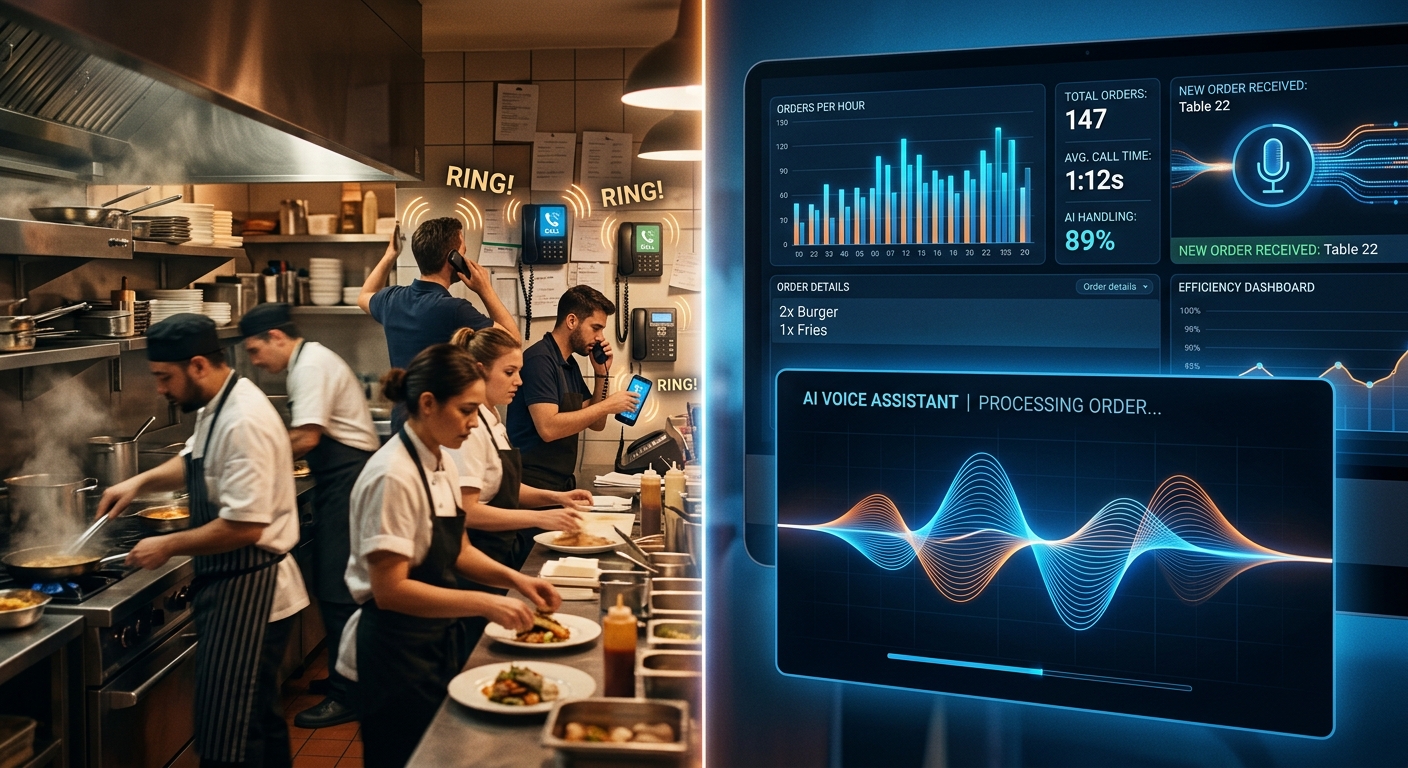
Dental practices, especially multi-location groups, have been dealing with a quiet but persistent shift. It is not just about patient volume anymore. It is about the sheer complexity of coordinating schedules, answering calls reliably, handling insurance questions, and ensuring the front desk does not feel like an air traffic control tower. In recent years, many practices have found themselves stretched thin by staffing shortages and rising patient expectations for faster appointment responses.
What often gets overlooked is how much time is lost in communication bottlenecks. Missed calls that turn into missed revenue. Staff unable to see what is happening across offices in real time. Leaders who want better insights but do not have a clean view into how their teams are performing day to day. It all adds up.
Enterprise and mid-market dental organizations have begun asking a simple question: how do we remove noise from the system so our clinicians and staff can focus on patient care? It is not always obvious where to start. Some invest piecemeal in new phone systems, others bring in monitoring tools. But without a unified platform, the tools rarely talk to each other.
This is where unified communications services, real-time analytics, and AI-driven spoken word and sentiment analysis have started to become part of the conversation. Especially in dental, where patient interactions are short, high volume, and emotionally sensitive. One moment of poor communication can change the entire relationship.
The Approach
Here is the thing. Most dental organizations begin their search by looking for a modern phone system. Yet phone modernization is usually only the gateway to something bigger: improving the practice's operational heartbeat.
Buyers increasingly want managed services rather than a tangle of tools. They want a single partner to manage uptime, routing, reporting, and AI capabilities. A good example is when a multi-location dental network begins evaluating providers like Unified Office, Inc. They often focus first on the unified communications foundation. Once that foundation is in place, they expand to analytics, alerts, and AI.
A typical solution strategy involves:
- Establishing a reliable, resilient communications layer that does not crumble during peak call times
- Adding real-time business analytics to monitor call handling, missed opportunities, and staff responsiveness
- Layering AI-powered sentiment and spoken word analysis to help practices understand patient tone and staff performance
- Integrating these insights into a managed service, so internal teams do not have to maintain yet another system
Some leaders will ask, do we really need AI for a dental practice? The short answer is yes, but not in the sci-fi sense. AI can quietly analyze conversation quality, highlight moments where empathy might have been missing, and flag patterns that would otherwise go unnoticed.
The Implementation
Implementation usually starts small. For example, consider a regional dental group with six locations that wanted to reduce missed calls and improve front-desk coordination. Their first step was consolidating all voice communications into one managed platform. That meant migrating offices off old, inconsistent phone systems and aligning call routing workflows.
There were the usual hiccups. Some offices held onto long-standing workflows that no longer scaled well. Others had connectivity issues that surfaced only once traffic increased. Still, a phased rollout allowed the team to learn quickly and adjust.
Once communications stabilized, the next phase involved activating real-time analytics. Staff began seeing call queues, wait times, abandoned calls, and after-hours activity in a single dashboard. A small micro-tangent here: the operations director later noted that simply having visibility into lunchtime call spikes changed how they scheduled coverage.
In the third phase, AI-driven spoken word and sentiment tools were added. These tools quietly analyzed patient conversations and flagged interactions needing follow-up. Staff training sessions became more targeted. Managers stopped guessing where patient frustration originated.
A final layer involved connecting the analytics platform to an internal performance-monitoring process. Nothing fancy, just structured weekly reviews that helped practice managers spot patterns and respond quickly.
An optional add-on for many dental groups has been integrating analytics with external data sources like patient experience platforms. Even a simple connection, such as referencing an industry benchmarking source like the American Academy of Dental Group Practice, can give leaders additional context for their metrics.
The Results
Results for the dental group above were not dramatic overnight, but they were meaningful. Call handling improved significantly as coverage gaps and response bottlenecks became more visible. Staff reported feeling less overwhelmed because they had tools telling them what required attention instead of guessing.
Patients noticed the difference too. Faster call responses, fewer dropped conversations, and more consistent communication across locations started adding up. Leadership gained clearer insight into what was happening across all six offices without drowning in spreadsheets.
Perhaps the most surprising outcome was how AI-informed sentiment insights helped retrain staff. Managers discovered that even when calls were answered quickly, patient tone sometimes indicated confusion or frustration. Addressing those issues quietly raised customer satisfaction.
Lessons Learned
A few themes kept coming up during the process.
- Start with communications stability. If the foundation is shaky, everything on top becomes hard to trust.
- Real-time analytics should be introduced early, not as an afterthought. Visibility changes behavior almost immediately.
- AI does not replace staff, but it does reveal patterns the human ear might miss during a busy day.
- Managed services reduce internal workload. Dental practices already have enough operational complexity. Offloading the technical overhead frees up staff energy.
- Phased rollouts usually work best. Dental environments are busy, and gradual adoption lets teams breathe.
In the end, managed services grounded in unified communications, analytics, and AI are becoming a practical way for dental organizations to handle modern operational challenges. The technology is important, of course. But what really matters is that it helps people inside these practices spend more time on care and less time putting out fires.