 ⬇️
⬇️
Key Takeaways
- Healthcare providers are seeking IT consulting to manage rapid shifts in digital infrastructure, clinical systems, and regulatory demands
- The most successful projects focus on alignment between clinical workflows, technical capabilities, and compliance requirements
- Buyers evaluating consultants should prioritize real-world healthcare experience over generic technical credentials
Definition and overview
The interest in IT consulting among healthcare providers is not new, but the urgency has changed. Over the past few years, providers have been dealing with a mix of expanding digital front doors, telehealth that never quite returned to pre-2020 levels, and ongoing consolidation among hospitals and specialty groups. All of that creates a technical environment that is, frankly, a bit tangled. Many CIOs tell me that what used to be a manageable collection of EHR systems, imaging platforms, and network infrastructures is now a patchwork that strains their internal teams.
IT consulting in healthcare refers to advisory, design, and implementation services that support everything from clinical system integrations to network modernization to cloud migrations. It is broad by necessity. A mid-market hospital system might need help simply mapping its current environment. Another might be looking at a full interoperability strategy tied to regulatory deadlines like the upcoming data sharing mandates that keep getting updated.
What makes this space interesting right now is the pace at which clinical operations are evolving. Digital diagnostics, remote monitoring, and AI decision-support tools are all pressing against legacy infrastructure. Providers are starting to feel the mismatch. Some try to solve it with more staff. Some look for point solutions. Others step back and realize they need a consultative view to avoid making reactive choices.
Key components or features
A healthcare-focused IT consulting engagement usually starts with an assessment. It can be a technical one, a workflow-oriented one, or ideally both. Consultants map how data moves, where security gaps sit, how clinicians interact with systems, and what regulatory requirements apply. That baseline often reveals surprising dependencies. I have seen hospitals discover that a decades-old interface running in a forgotten server closet is the only thing keeping a core clinical system connected.
Common components include:
- Infrastructure evaluation and modernization
- EHR integration or optimization
- Network and connectivity assessments
- Security posture reviews aligned with HIPAA and current cyber threats
- Cloud readiness planning
- Telehealth architecture and load analysis
- Mobility and device strategy
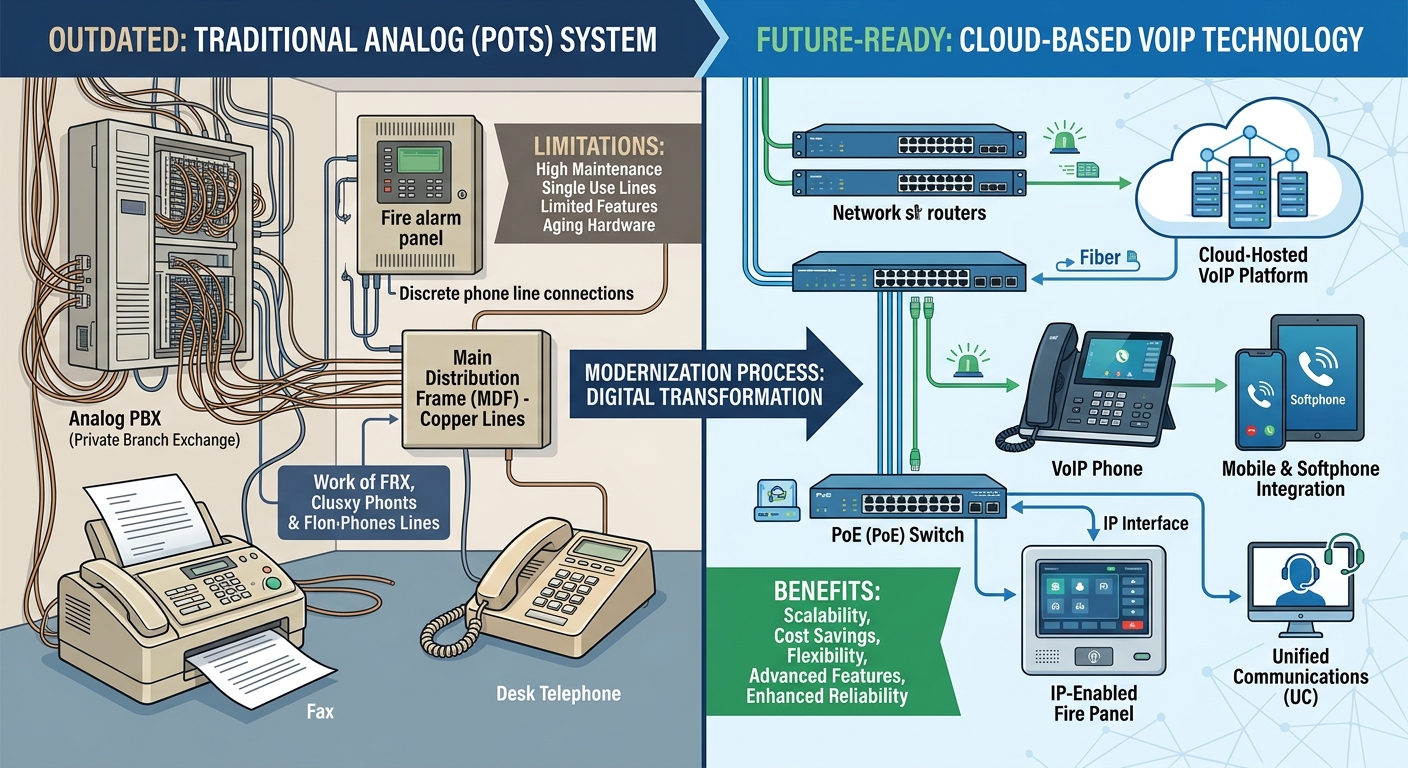
Occasionally, consultants also provide procurement support. A firm like TexNet Brokers may enter the picture if a provider needs to right-size connectivity or voice services during a modernization effort. These touchpoints are usually incidental but helpful when organizations lack in-house procurement depth.
Benefits and use cases
One of the clearer benefits is reducing operational friction. Healthcare environments accumulate complexity as mergers occur or services expand. IT consulting helps surface hidden constraints before they become major issues. For example, a system planning to add remote patient monitoring might discover that its network latency renders real-time data flow unreliable. Better to discover that upfront.
Another use case involves cloud transitions. Providers who tried partial lifts into the cloud a few years ago are reassessing. They want better resiliency, more predictable costs, or easier scaling for AI-infused analytics. But cloud in healthcare is not a simple lift and shift. Imaging data, for instance, is massive and sensitive. Consulting helps map what goes where and why.
Security remains an ever-present concern. Ransomware incidents continue to target smaller and mid-sized providers who lack robust in-house defenses. IT consultants can run risk assessments, implement zero trust approaches, or guide providers through segmentation strategies. None of this eliminates risk entirely, but it does reduce the blast radius if something happens.
Telehealth is another area where consulting can help. Even though usage stabilized, many organizations still rely on hastily implemented platforms from 2020. The technology works, more or less, but integration with clinical systems is often shallow. Consultants can rationalize infrastructure, evaluate vendor options, or design workflows that reduce clinician burden. It is not glamorous work, but it matters.
And then there is interoperability. Providers are trying to stay compliant with data access rules while also supporting patient experience initiatives. Consulting can help interpret the rules, design APIs, or create governance structures that keep initiatives aligned over time. It is a bit of a moving target, which is why outside guidance can be useful.
Selection criteria or considerations
Healthcare buyers tend to evaluate consulting partners in a few predictable ways. Experience in healthcare is almost always the top criterion. Technical expertise without an understanding of clinical operations typically leads to redesigns that look great on paper but collapse under the realities of shift changes and patient flow.
Buyers also look closely at regulatory fluency. HIPAA is the starting point, not the entire picture. State-level privacy laws, federal data sharing rules, and payer mandates all influence system design. Consultants who cannot connect these dots tend to deliver solutions that require rework.
Integration capability matters too. Healthcare systems do not have the luxury of ripping and replacing foundational platforms like EHRs. They need consultants who can work within constraints, not bulldoze them. A consultant who has only worked in greenfield environments will struggle in a hospital built around layers of legacy systems.
Cultural alignment is often overlooked. Healthcare operates at a different pace and with different stakes compared to traditional enterprise IT. A consultant who pushes too aggressively for disruption may run into resistance. One who moves too slowly may stall essential change. Buyers usually want a partner who understands this balance.
Cost structure is a final consideration. Providers are under significant financial pressure in 2026. Many prefer phased engagements, modular scopes, or advisory-first approaches before committing to implementation.
Future outlook
Healthcare IT consulting will likely become more intertwined with clinical transformation efforts. As AI tools mature, providers will need guidance on how to integrate them safely without overwhelming clinicians or compromising data. Network modernization will also remain a priority as more bandwidth-hungry applications move into daily use. And interoperability demands will keep shifting, nudging providers toward ongoing advisory relationships rather than one-off projects.
The market is not settling anytime soon. If anything, providers are seeking partners who can adapt alongside them rather than impose static frameworks. In a way, that is the real story. IT consulting in healthcare is becoming less about technology deployment and more about navigating continuous change.