 ⬇️
⬇️
Key Takeaways
- Firefighters are using handheld infrared equipment to identify remaining heat along the fire's northern edge.
- Structural crews established 200-foot buffers around residences while contingency-line work nears completion.
- Hot, dry, and breezy weather, evacuation orders, road traffic, closures, and smoke remain operational concerns.
Crews assigned to the Akawa Butte Fire are shifting more attention toward mop-up and structural monitoring, but elevated fire weather means the incident continues to present risks for residents, businesses, and regional infrastructure around Sisters, Oregon.
Using handheld infrared detection equipment, firefighters surveyed the northern edge of the fire area for residual heat sources that may not be visible from the surface. Crews marked those locations for extinguishment as part of mop-up operations. The technology offers a practical advantage: buried embers and concealed heat can remain active even where flames are no longer apparent.
That distinction matters. A cooling perimeter can look stable while retaining enough heat to reignite nearby vegetation, particularly under dry and breezy conditions. Infrared detection gives crews another layer of information as they decide where to concentrate personnel and water.
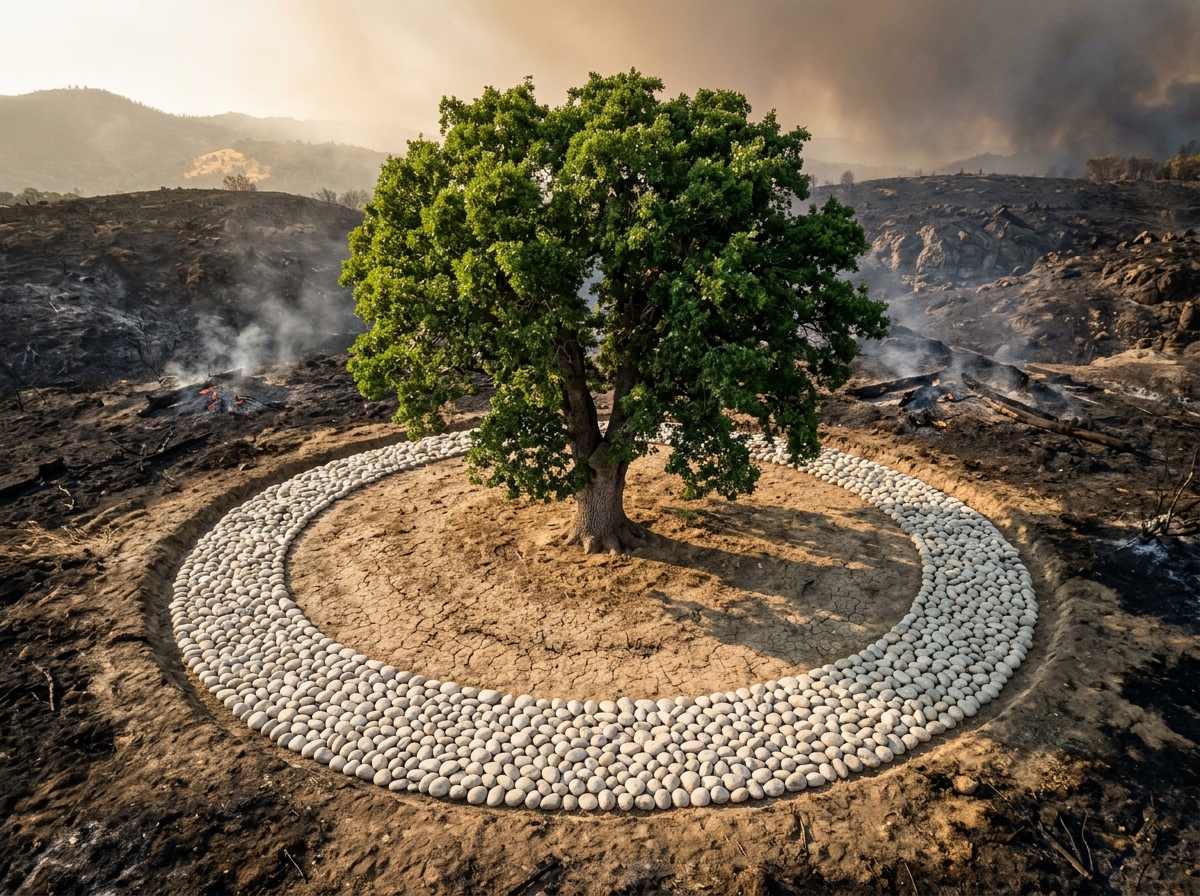
Structural protection crews have also created 200-foot buffers around residences and other structures near the fire. Those buffers are intended to reduce surrounding fuels and give firefighters more room to defend properties if conditions change.
At the same time, Oregon State Fire Marshal resources continue to be reassigned to other incidents, including the nearby Bench Fire. Structural crews are remaining in residential areas to monitor and patrol properties while also supporting wildland operations. Resource movement is common during periods with multiple active fires, but it can complicate logistics, staffing, vehicle deployment, and communications.
Visible progress on one incident does not eliminate regional pressure. Equipment, engines, crews, aviation support, shelter capacity, and road access may all be shared across a broader fire environment.
Work on contingency lines is nearly complete. Located away from primary containment lines, these secondary defenses are designed to provide another position if the fire crosses the initial perimeter. Their completion can improve operational flexibility, though hot, dry, and breezy weather is expected to continue throughout the week.
For area employers, contractors, delivery operators, tourism businesses, and utilities, the immediate concern is less about a single fire metric and more about changing access. Heavy firefighting equipment is moving through the region, and officials are asking drivers to slow down. Closures and evacuation orders remain in effect for both public and firefighter safety.
Evacuation decisions are issued by county sheriff's offices. Residents and organizations should follow updates from the Deschutes County Sheriff's Office and Jefferson County rather than relying on older social media posts or secondhand reports. Conditions can shift quickly. Could a road available during the morning become restricted later in the day? Under elevated fire conditions, that remains possible, making current official information especially important for workforce and fleet planning.
Sisters High School, at 1700 W McKinney Butte Road in Sisters, is serving as the evacuation center for people. The Deschutes County Fairgrounds, at 3800 SW Airport Way in Redmond, is designated for large animals. Organizations with employees in affected areas may want to account for family evacuation needs, livestock transport, and longer commuting routes when planning staffing.
The Bureau of Land Management and U.S. Forest Service have implemented closures around the incident. The Deschutes National Forest has an Akawa Butte Fire closure in place, while the Ochoco National Forest and Crooked River National Grassland also have an area closure. These restrictions can affect recreation, outfitting, forestry work, field service, and other commercial activity tied to public lands.
Smoke is another variable, even outside evacuation zones. Businesses can monitor current conditions through AirNow and review the available two-day smoke outlook. Outdoor employers, event operators, schools, and facilities teams may need to adjust schedules or indoor-air practices as conditions evolve.
Officials scheduled an in-person community meeting at the Sisters High School Auditorium for Tuesday at 6:30 p.m., with access through the Sisters-Camp Sherman Fire District Facebook page and subsequent posting on the Akawa Butte Fire YouTube channel. For the business community, those briefings can provide useful operational context. Infrared patrols, structure buffers, and nearly completed contingency lines show progress, but weather, smoke, closures, and competition for firefighting resources keep the regional operating picture unsettled.