 ⬇️
⬇️
Key Takeaways
- Vector Data Centers has officially launched as a development platform backed by ArcLight Capital Partners.
- The platform boasts a massive development pipeline claiming over 24 gigawatts of potential power capacity.
- The strategy leverages ArcLight’s existing power infrastructure assets to bypass common grid interconnection delays.
In the current landscape of digital infrastructure, the conversation almost always stops at the same bottleneck: power. It is the singular constraint keeping hyperscalers up at night. Addressing this head-on, Vector Data Centers, a “data center development platform” that claims to have more than 24GW of power in its pipeline, launched as of last week. Backed by middle-market infrastructure investor ArcLight Capital Partners, this isn't just another real estate play. It is a power play, quite literally.
The figure—24 gigawatts—is staggering. To put that in perspective, the entire installed data center capacity of the United States is roughly somewhere in that ballpark, depending on whose analysis you trust.
Does this mean Vector has 24GW of servers ready to hum tomorrow? No. "Pipeline" is a loaded word in this industry. It usually encompasses everything from secured grid allocations to early-stage land rights. However, the backing by ArcLight suggests this pipeline is tethered to actual power generation assets, which is a critical differentiator.
ArcLight brings decades of experience in power infrastructure, including natural gas, renewables, and battery storage. This is where the model shifts.
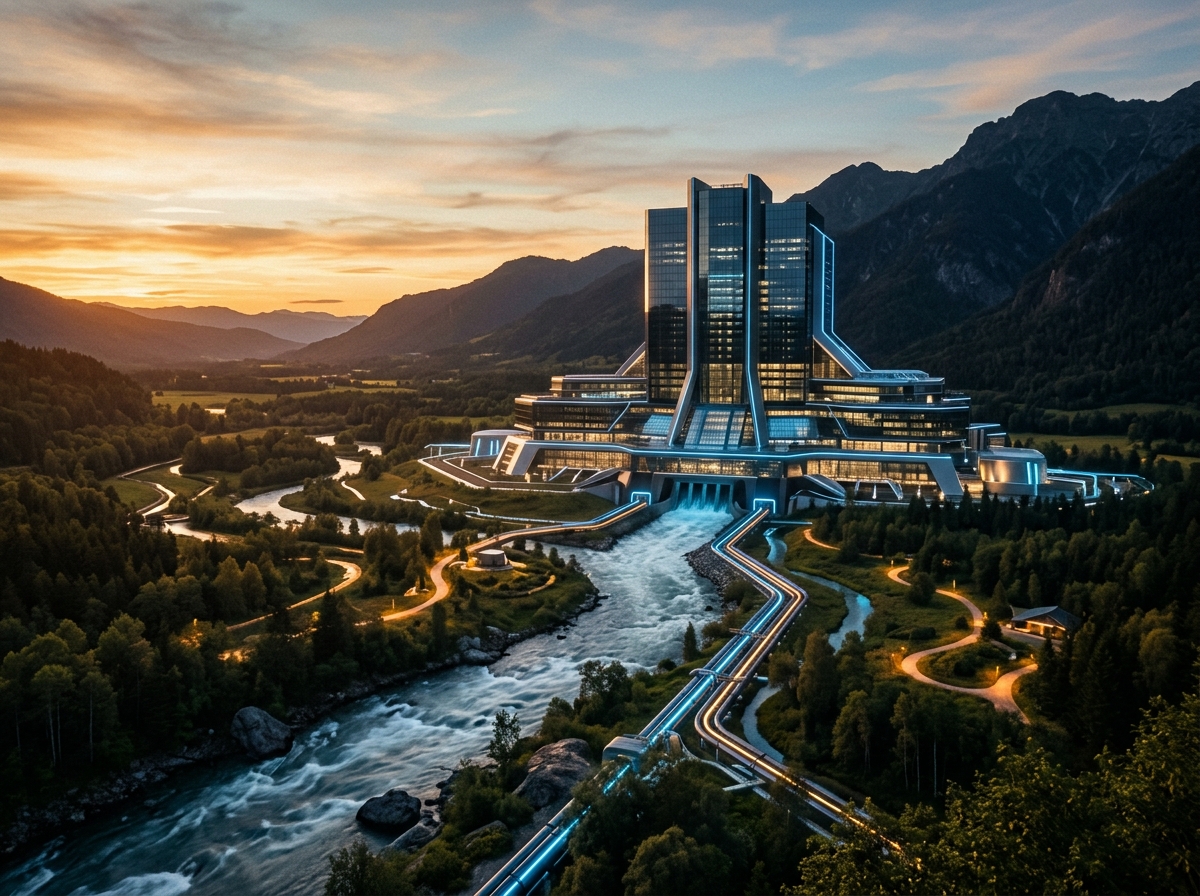
Traditionally, data center developers find land, then beg the local utility for a connection. That process is broken. In markets like Northern Virginia or Silicon Valley, wait times for power can stretch five to seven years. Vector Data Centers seems designed to invert this process. Instead of hunting for land and hoping for power, they appear to be starting with the power—leveraging ArcLight’s existing generation and transmission assets—and putting the data centers right next to the source.
It creates a unified platform. The company aims to focus on financing, developing, and operating these facilities, primarily targeting the wholesale and hyperscale markets that are currently scrambling for capacity to support artificial intelligence workloads.
Here’s the thing about the current market: capital is abundant, but electrons are scarce.
We are seeing a trend where private equity firms with deep roots in energy are suddenly becoming the most important landlords in tech. The separation between "energy company" and "data center operator" is dissolving. If you control the turbine or the solar array, you control the timeline. Vector's launch is perhaps the loudest signal yet that the industry is moving toward a "behind-the-meter" reality, where data centers might sit directly on generation sites to bypass congested public grids.
But is 24GW realistic?
Even if a fraction of that pipeline materializes into operational IT load, it represents a market-moving shift. The focus includes both brownfield sites (repurposing existing industrial or power locations) and greenfield developments. By utilizing lands already owned or controlled by ArcLight’s portfolio companies, Vector eliminates one of the biggest headaches in development: site acquisition and zoning for heavy industrial use.
Operational efficiency is the other half of the coin. It’s not enough to just plug the servers in; you have to cool them. The platform intends to deploy efficient cooling technologies, though specifics weren't detailed in the initial launch materials. Given the density required by AI chips—like NVIDIA's Blackwell architecture—standard air cooling won't cut it for long.
The timing is intentional. The demand for compute power is outpacing the utility sector's ability to upgrade transmission lines. This lag creates a massive opening for platforms like Vector that can offer "speed to power."
What does this mean for the competition?
Legacy data center REITs are excellent at managing real estate and tenant relationships, but they don't typically own power plants. They are beholden to the utility companies. Vector, by virtue of its parentage, sits upstream. It suggests that the next generation of mega-campuses may not be built by real estate developers, but by infrastructure funds that treat data centers as just another utility asset class, sitting alongside pipelines and terminals.
Ultimately, the launch of Vector Data Centers underscores a pivotal realization in the B2B tech sector: You cannot build the AI future without fixing the energy present. The 24GW claim serves as a massive marker in the sand, challenging other players to secure their own power destiny or risk being left in the interconnection queue.