 ⬇️
⬇️
Key Takeaways
- Bank of America plans to deploy $250 billion through July 2027 across data centers, semiconductors, energy, critical minerals, transportation, and natural gas infrastructure.
- The initiative targets physical bottlenecks that could constrain AI growth, particularly electricity generation, grid connections, and supplies of copper and other metals.
- Technology and energy executives will need to evaluate projects as integrated systems rather than treating computing capacity, power, and governance as separate concerns.
Bank of America has launched a $250 billion initiative to finance the physical infrastructure supporting artificial intelligence in the United States, widening Wall Street's role in a buildout that increasingly depends on electricity, metals, and industrial capacity as much as computing hardware.
The funding target, which Bank of America says will be deployed through July 2027, covers digital infrastructure, energy and power systems, and core infrastructure such as transportation and natural gas. Data centers, semiconductors, and critical minerals are among the central areas identified by the bank.
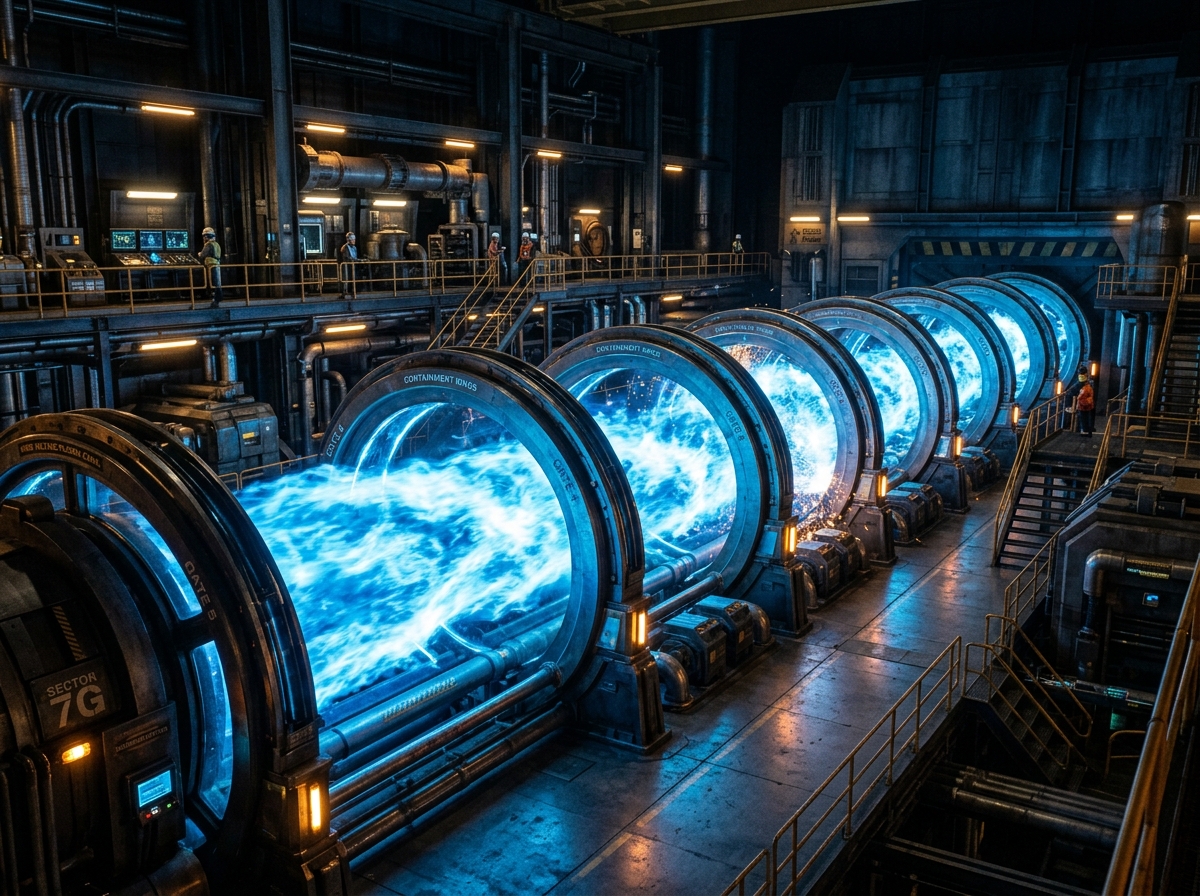
Current reporting from Reuters describes the initiative as part of a broader financial-sector push into AI infrastructure and the power constraints surrounding it. AI investment was initially discussed largely in terms of models, Nvidia processors, and cloud services such as Microsoft Azure. The conversation has now shifted toward the less glamorous layers underneath them: substations, transmission lines, cooling systems, backup generation, pipelines, and construction materials.
A processor order does not create usable AI capacity by itself. The equipment needs a facility, reliable power, networking, cooling, and access to a grid connection. In some regions, that final requirement can become the hardest piece of the project.
Bank of America's own research illustrates the pressure building across those layers. BofA Global Research estimates that electricity demand from servers using graphics processing units is growing at roughly 30% annually, with AI inference becoming an increasingly important driver. Inference is the day-to-day process of running trained models, so its growth suggests that power demand will not be limited to periodic model-training projects.
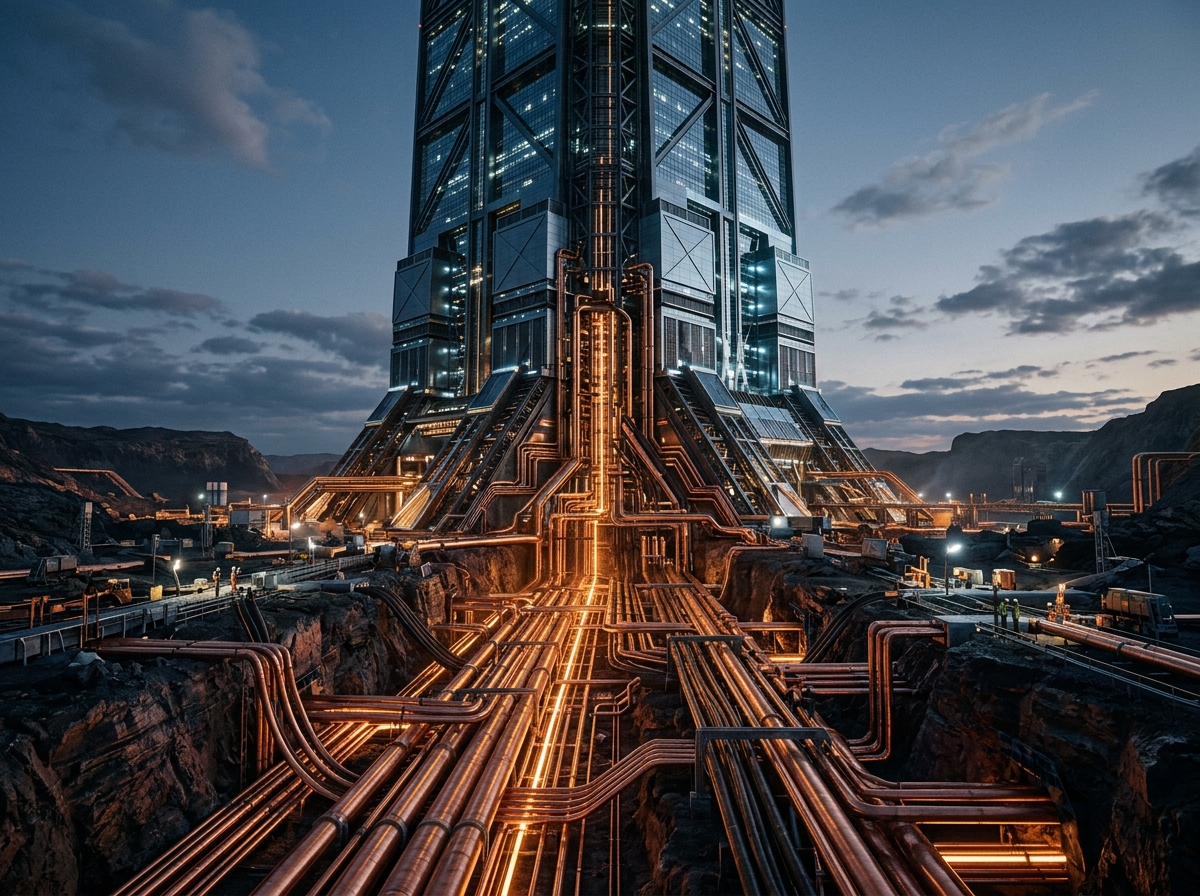
The materials requirements are significant, too. BofA Global Research estimates that each additional megawatt of data center capacity embeds approximately 60 to 75 tons of metals, with copper playing a particularly prominent role. That creates a direct link between AI deployment schedules and mineral extraction, refining, manufacturing, and transportation.
A 2024 federal estimate found that data centers represented about 4.4% of total U.S. electricity consumption in 2023. Their share could rise to between 6.7% and 12.0% by 2028. Even the lower end would put additional pressure on utilities already managing aging infrastructure, electrification, new manufacturing loads, and lengthy queues for generation and grid interconnections.
What gets financed first? Projects with credible power arrangements, realistic construction schedules, dependable equipment suppliers, and committed customers are likely to look more durable than proposals built primarily around forecasts of AI demand. The $250 billion target is substantial, but capital alone does not remove permitting delays or produce transformers, turbines, transmission capacity, and skilled labor overnight.
Coverage from The Wall Street Journal also places Bank of America's move within the expanding competition among major financial institutions to fund AI-related assets. For banks, these projects can create opportunities across lending, capital markets, advisory work, and infrastructure finance. They also introduce concentration risk if too many projects depend on similar demand projections or a narrow group of large cloud customers.
The initiative could broaden the definition of an AI investment. NextEra Energy and other power developers may become as relevant to the buildout as semiconductor and cloud providers. Copper availability, gas transportation, grid equipment, and local utility planning can influence whether planned computing capacity reaches commercial operation.
Enterprise buyers should pay attention as well. Organizations evaluating AI services may increasingly ask cloud and colocation providers about energy availability, geographic concentration, resilience, and emissions exposure. Governance frameworks such as the NIST AI Risk Management Framework and ISO/IEC 42001 can help organizations manage AI-related operational risks, but infrastructure dependencies still require conventional supplier diligence and business-continuity planning.
Bank of America's commitment signals that AI is becoming a full-stack industrial investment cycle. Software remains the visible layer. Underneath it sits an expensive network of power, property, equipment, metals, and transport, and those physical constraints may determine how quickly the next wave of AI capacity actually arrives.