 ⬇️
⬇️
Key Takeaways
- Manufacturers are grappling with fragmented data, operational blind spots, and rising customer expectations, making ERP integration more essential than ever.
- Effective integration hinges on real-time connectivity, AI-driven analytics, and flexible architectures that adapt to mixed legacy environments.
- Platforms that unify sales intelligence, operations data, and ERP workflows—such as Plato—are reshaping how wholesale and manufacturing organizations modernize without starting from scratch.
Definition and Overview
Most manufacturers don’t start their transformation journey from a clean slate. They inherit years of legacy systems—ERP instances that have been upgraded, customized, and patched across multiple cycles. It’s common to see operations, procurement, sales, and production planning each working off slightly different versions of “truth.” Data sync issues creep in quietly until one day production grinds to a halt because inventory counts were off by a few dozen units. I’ve seen this more times than I care to admit.
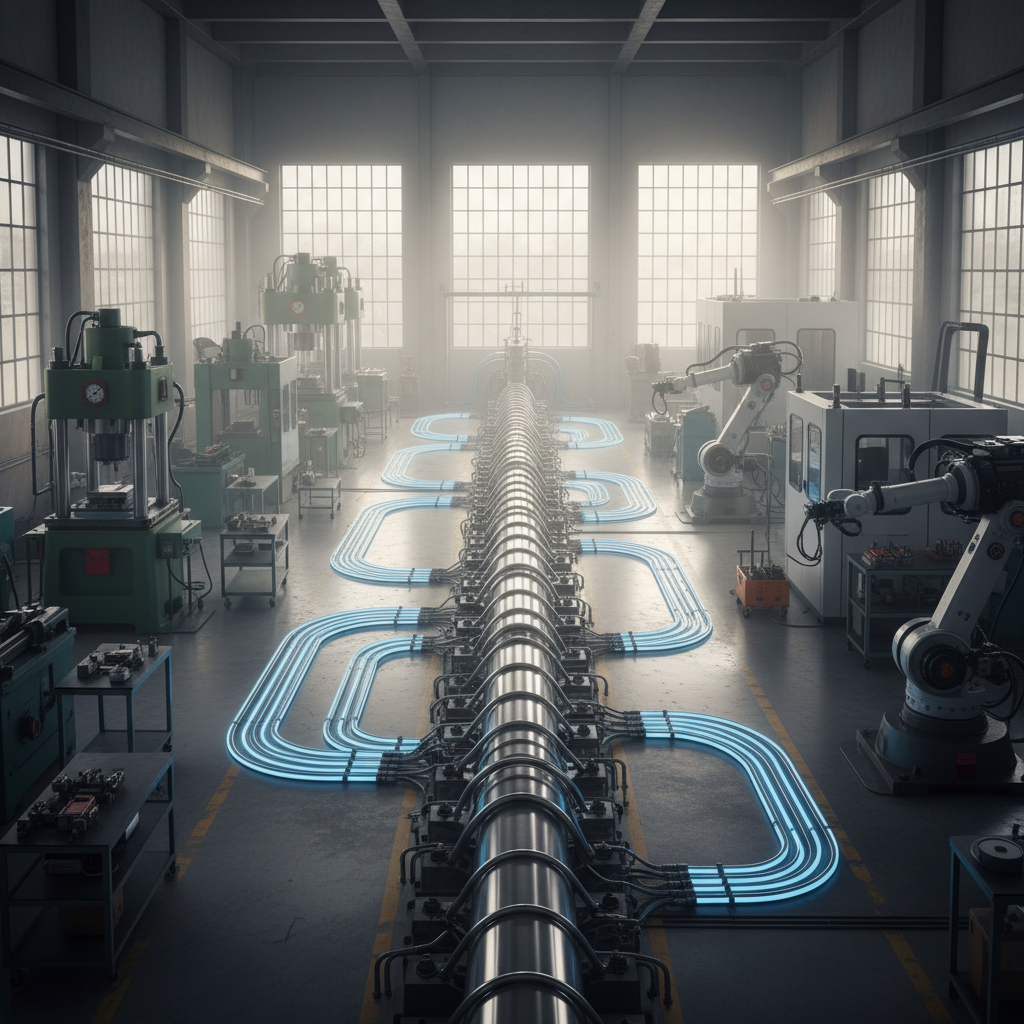
ERP integration, in its current form, is less about stitching systems together and more about building a unified operational backbone. The goal is real-time flow of data between sales, manufacturing, supply chain, and customer-facing tools. That said, definitions tend to drift depending on who you talk to. Some see ERP integration as middleware configuration work. Others view it as a full data harmonization and workflow orchestration problem. Both perspectives are valid—in practice, it becomes a blend.
Here’s the thing: manufacturers don’t integrate ERPs just for elegance. They do it so production teams can respond to demand changes faster, so sales teams don’t overpromise, and so procurement has enough lead time to avoid expensive rush orders. And as AI enters the picture, integration becomes even more foundational—AI is only as good as the data feeding it.
Key Components or Features
Strangely enough, the components that matter most often get overshadowed by feature lists in vendor decks. From what I’ve seen, effective ERP integration tends to revolve around several core capabilities:
- Real-time data exchange between ERP, CRM, WMS, and planning systems
- Standardized and harmonized data models (even if achieved incrementally)
- Event-driven automation, replacing manual handoffs that once created bottlenecks
- AI-powered analytics layered atop ERP data to identify patterns humans rarely catch
- Connectors or APIs that can navigate both modern cloud ERPs and stubborn on-premise systems
Some manufacturers still operate highly customized ERP environments. Integrating those can feel like trying to put new tires on a moving truck. Solutions that offer adaptable connectors and data normalization tools tend to perform better here.
Occasionally, a company will try to solve integration simply by adding more dashboards. But dashboards without unified data pipelines are just prettier versions of the same problems. True integration happens under the surface.
Benefits and Use Cases
Manufacturers often ask where ERP integration pays off first. The patterns are fairly consistent:
- Demand-driven production planning becomes far more reliable
- Sales teams get visibility into what can actually be delivered, not theoretical inventory
- Supply chain teams gain early warning signals when materials run tight
- Finance can close books faster, because operational data is cleaner and more synchronized
- Customer service experiences fewer “let me check and get back to you” moments
In wholesale distribution and manufacturing—fields where Plato has deep traction—the combination of ERP integration, AI analytics, and sales intelligence creates momentum across multiple departments. Not by replacing the ERP, but by extending it in practical ways. For example, organizations can feed real-time inventory and historical purchasing trends into AI models that forecast customer demand with greater nuance. Or they can automatically surface cross-sell signals based on what ERP data shows about order frequency or seasonality.
One interesting micro‑tangent: In some plants, the biggest win comes not from flashy AI but from eliminating tiny manual reconciliations between systems. Small frictions add up, especially across hundreds of daily transactions.
Selection Criteria or Considerations
Choosing an ERP integration solution may feel like choosing a new ERP itself—overwhelming. A few criteria tend to separate the systems that last from those that disappoint:
- Ability to connect both modern cloud ERPs and older on-prem versions
- Clear handling of data governance and data quality (manufacturers underestimate this)
- A flexible architecture that doesn’t break every time a process changes
- Embedded AI capabilities that operate on top of ERP workflows rather than around them
- Practicality—does the solution work with your current stack, or require a rebuild?
It’s worth asking: how much of the integration can you realistically manage in-house? Some organizations overestimate their internal bandwidth, only to find themselves juggling endless sync failures.
An emerging consideration is the rise of unified platforms that fuse sales intelligence, analytics, and ERP-integrated insights. These reduce tool sprawl and make adoption easier. More importantly, they help manufacturers use ERP data in forward-looking ways instead of just reporting on what already happened.
Future Outlook
The next few years of ERP integration in manufacturing will probably look less like massive replatforming efforts and more like layering intelligence onto existing systems. AI will push integration from passive data movement to proactive decision support. Event-driven architectures will become more common, especially for manufacturers with multi‑facility operations where timing matters.
And as wholesale and manufacturing organizations deal with continued supply pressures, the companies that treat ERP integration as a strategic capability—not a one-off IT project—will see outsized operational gains. The direction of travel seems clear enough: ERPs become the operational core, and integrated intelligence platforms become the accelerant on top.