 ⬇️
⬇️
Key Takeaways
- Auto dealerships are rethinking communication, analytics, and service delivery as customer expectations shift.
- Cloud platforms are helping dealers unify fragmented systems and turn spoken interactions into real business insight.
- Early adopters are seeing meaningful gains in visibility, operational flow, and customer responsiveness.
The Challenge
Auto retail has always been a bit messy behind the curtain. A customer might call the sales desk, then text a service advisor, then get an email from finance. Meanwhile, leadership is trying to understand what actually happened during these touchpoints. Did someone follow up? Was the customer frustrated? Did an opportunity fall through the cracks? For many dealerships, the honest answer is simply that the information lives in different systems and rarely connects.
Over the past few years, this fragmentation has started to create real pressure. Buyers are used to on-demand everything. They expect immediate responses, clear communication, and consistent handoffs. When a dealership loses a lead because a phone message never made it to the right person, it is not just a one-off mistake. It signals a structural gap.
Technology teams in mid-market and enterprise auto groups have been feeling this shift most acutely. They see that communication, analytics, and customer experience need to be tied together, but the path forward feels complicated. Legacy phone systems, manual reporting, and siloed CRM tools are difficult to modernize without disrupting day-to-day operations.
However, cloud computing has quietly reached a point where it can take on that complexity without forcing dealerships into painful transitions.
The Approach
The typical starting point for auto groups is a desire to centralize communications. Not just phone calls, but texts, service updates, sales follow-ups, and even internal chatter between advisors and parts teams. Buyers start by asking whether a cloud communications platform can handle their mix of inbound leads, scheduled service workflows, and high-volume teamwork. Usually, the answer is yes, but the real value shows up when analytics and AI enter the picture.
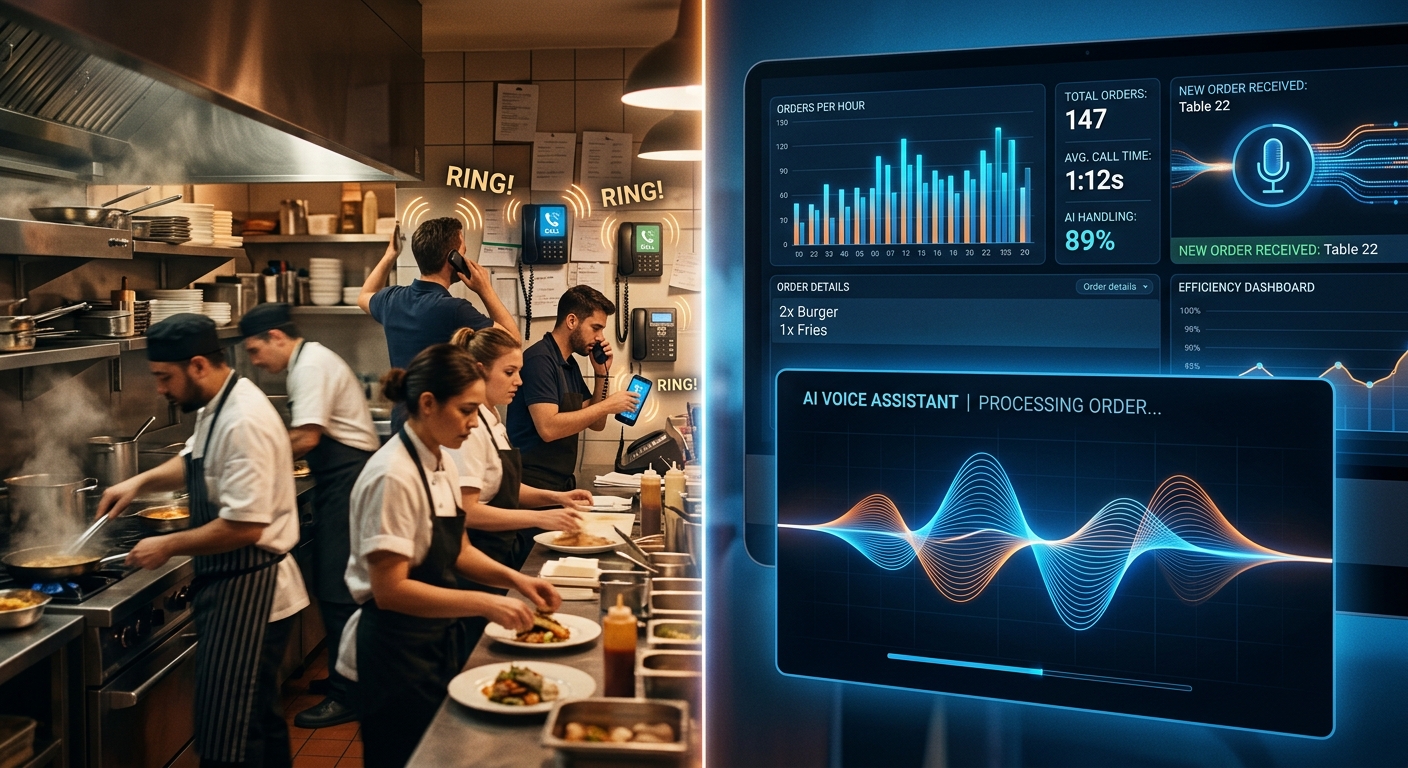
More dealerships now want real-time visibility into customer interactions. They want alerts when calls go unanswered. They want sentiment insights during service conversations. Some even want spoken-word analysis so they can understand patterns in customer concerns. Cloud platforms make this accessible since they can process audio and text centrally, then feed insights to managers without needing on-site hardware.
A mid-sized dealership group recently summed it up this way: they were not just buying a phone system; they were buying a nervous system for the business.
Solutions from providers like Unified Office, Inc. tend to enter the conversation at this point. They offer unified communications paired with analytics in a single cloud environment, which often aligns with what dealership CIOs are trying to accomplish. That said, most buyers still approach the project cautiously. They want to see a clear path that does not overwhelm staff or disrupt daily sales and service operations.
The Implementation
One regional auto group took a phased approach that might resonate with others evaluating cloud modernization. They began with their customer-facing communications. The goal was simple: ensure every call, text, and voicemail reached the right person quickly, and ensure leadership could see when it did not.
Cloud routing was rolled out first. This let them move away from their aging physical phone system without shutting anything down. Staff learned a new interface gradually. A few micro-tangents popped up along the way, such as the service department insisting on keeping their traditional desk phone feel. Fortunately, cloud platforms can accommodate that, so the shift did not disrupt daily operations.
Next, they enabled real-time analytics dashboards. This was when things started to click. Managers could see which stores were missing calls during peak hours. Service directors could get alerts when customers waited too long on hold. One advisor noted that he liked being able to see call volume spikes because it helped him plan his workflow better. Little things, but they added up.
Finally, the group enabled AI-driven spoken-word and sentiment analysis for service calls. This was the big unlock. The system could flag conversations where frustration was rising or where certain phrases indicated a high-value upsell opportunity. At first, managers worried it might feel too intrusive. But in practice, it simply became another data point that helped them coach their teams.
Implementation took several months. It was not perfect, but cloud solutions rarely require perfection. They require consistency, and the dealership achieved that by training in waves and letting each department adapt at its own pace.
The Results
Once everything stabilized, the organization saw several directional improvements. Customer calls were being answered far more consistently. Lost leads dropped noticeably. Managers were surprised to learn how many service inquiries had previously gone unreturned, and fixing that alone made a big financial difference. The AI sentiment insights helped them identify patterns, such as recurring frustration around loaner car availability, which sparked operational changes.
Another unexpected outcome was cultural. Sales and service teams became more aligned because they were finally looking at the same data. When a customer expressed dissatisfaction on a call, the right people were alerted automatically. This replaced a lot of finger-pointing with shared responsibility.
The auto group also optimized staffing levels. Real-time call analytics revealed when each store hit peak volume, so they adjusted shift schedules accordingly. No more guessing games.
Overall, the cloud platform did what the leadership team hoped for. It gave them visibility where they had none before and improved the customer experience in ways that were easy to feel but hard to quantify with a single metric.
Lessons Learned
A few themes stand out from this and other dealership cloud transitions.
- Start with communications. It is the backbone of everything else and the easiest entry point into cloud modernization.
- Let analytics guide your decisions instead of instincts. Dealerships are complex ecosystems, and what feels true is not always what the data shows.
- AI features gain adoption when they help staff succeed rather than monitor them. This is a subtle but important distinction.
- Phased rollouts reduce risk. Departments vary widely in workflow and tech comfort, so expecting a universal go-live date rarely works.
- Cloud capabilities evolve quickly. Dealerships that choose flexible platforms tend to benefit the most because they can activate new features as the business grows.
Every dealership’s path will differ a bit, but the pattern is becoming clearer. Cloud computing is giving auto retailers a chance to modernize without tearing down what already works. It is helping them answer questions they could not previously ask. And it is doing so at a moment when customer expectations are rising faster than ever.
For auto groups evaluating their next move, the question might not be whether to adopt cloud communications and analytics. It might simply be how soon they want to start seeing what has been happening in their business all along.