 ⬇️
⬇️
Key Takeaways
- Government agencies in Oslo metro are under pressure to modernize core systems while keeping services stable for citizens
- Integrated IT services are becoming the backbone for improving workflows across finance, HR, and public-facing processes
- A practical path forward often blends infrastructure modernization with better accounting, payroll, and data management capabilities
The Challenge
Public agencies across the Oslo metro area have been operating in a period of steady, sometimes uncomfortable change. Digital expectations from residents keep rising. At the same time, aging IT systems have made everything from payroll reconciliation to citizen service requests slower than anyone wants to admit. This tension between public accountability and outdated infrastructure has pushed many leaders to revisit their operational foundations.
Here is the thing. Government environments do not have the luxury of experimenting recklessly. Teams need continuity, security, and reliability. Yet they are also being asked to centralize data, automate recurring tasks, and improve compliance reporting. Anyone who has worked inside a public agency knows how hard it is to make all three happen at the same time.
The urgency is clear. In recent years, more agencies in the region have been shifting their focus toward integrated IT service models that can support both ongoing operations and modernization goals. The complexity of payroll cycles, vendor payments, and interdepartmental coordination has simply gotten too high for siloed tools. Leaders are looking for systems that can unify accounting flows, manage identity access, and support data governance without making life harder for employees.
The Approach
Most agencies start their planning with a single question. Where are we losing the most time? For some, it is the manual handling of payroll files. For others, it is the friction between legacy financial systems and newer digital tools that departments are already experimenting with. No matter the starting point, one thing tends to be true. The journey begins with mapping out dependencies, and there are often more than expected.
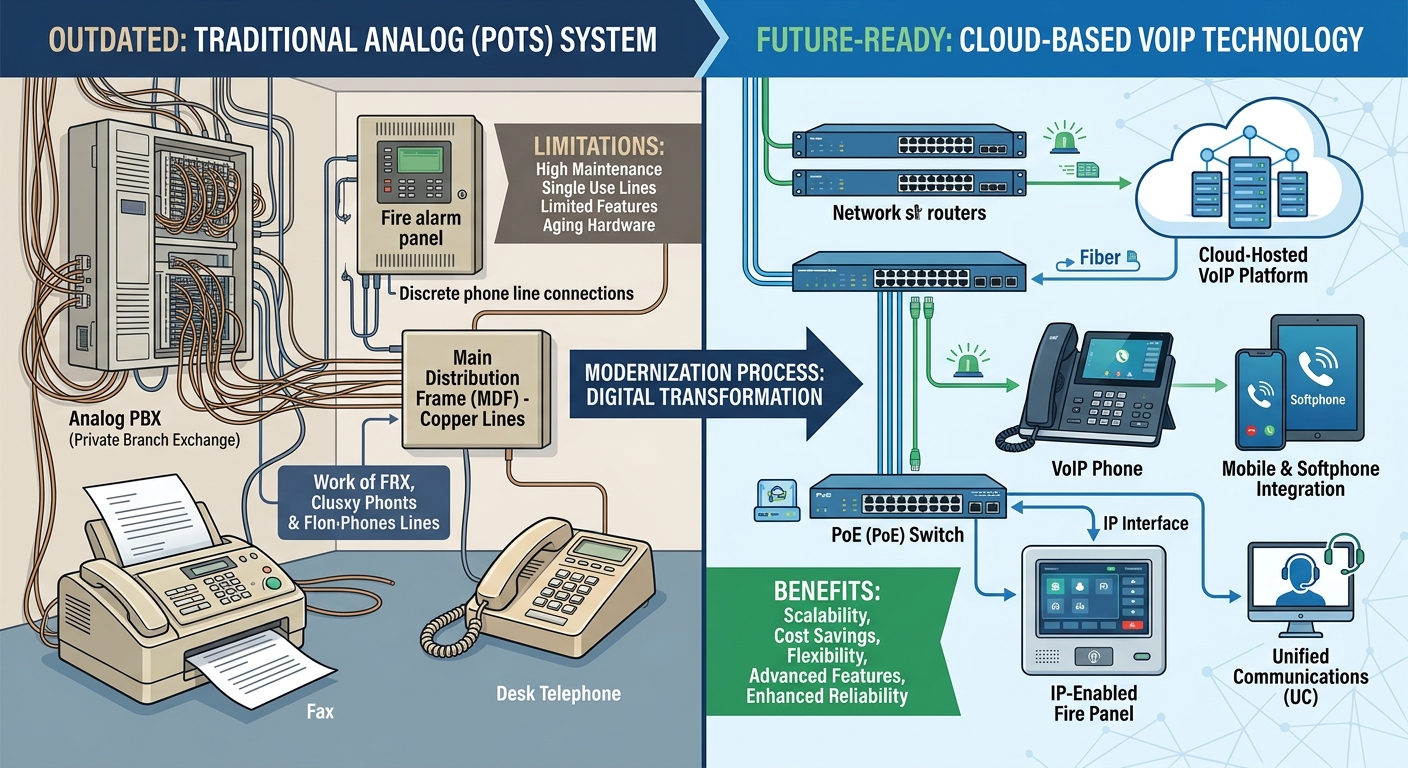
During this phase, many organizations consider using integrated platforms from providers like ECIT to help simplify the technology landscape. The aim is not only to replace outdated systems. It is also to establish a support model that can adapt as new requirements arise, whether that involves cloud migration, new data-sharing agreements, or tightening cybersecurity controls.
A mid-sized public transportation directorate in the Oslo metro region recently found itself in this situation. The team was juggling three accounting systems, separate payroll workflows, and an IT environment that had grown organically over the years. Nothing was entirely broken, but nothing worked together cleanly either. This is the sort of environment where even small upgrades can create unexpected ripple effects.
The Implementation
The directorate began its transformation with an assessment of its infrastructure and operational workflows. It was not a fast process, but it set the stage for a smoother transition. Instead of replacing everything at once, the team focused on stabilizing what they already had. That meant establishing a secure hybrid IT environment, cleaning up data flows, and modernizing the payroll system first since that affected the most employees and external partners.
From there, they worked through a phased rollout. Some phases moved quickly, others more slowly. A few interdepartmental disagreements surfaced about timing and ownership, which is normal in public-sector projects. The key was that the IT service provider helped manage the sequence of changes so processes were never fully offline.
Two elements mattered more than expected.
- Clear governance rules around financial data
- Training sessions that were tailored for non-technical users
On a small tangent, it is interesting how much smoother technology projects move when teams understand not just how to use the new tools but why the change matters. That seemed to help a lot during this implementation.
The Results
The outcomes were more than just smoother logins or fewer support tickets. Accounting and payroll workflows became more predictable, which reduced bottlenecks during monthly close cycles. Departments started sharing data more easily, which helped improve response times for public service inquiries. And system monitoring became more proactive, which lowered the number of small operational issues that typically stack up.
There was also a noticeable improvement in how budget reporting was handled. With integrated IT services supporting the flow of financial data, the directorate could prepare forecasts with less manual checking. While not everything became perfect, the overall environment felt more coordinated and more resilient.
Lessons Learned
One lesson stood out. Agencies should not underestimate the cultural shift that comes with modernizing IT. Technology is only half the equation. Teams need clarity, patience, and steady communication as workflows change. Another insight is that solving accounting and payroll challenges often unlocks improvements in other areas. It creates a foundation that helps other modernization efforts land more smoothly.
Finally, government organizations in the Oslo metro area are discovering that modernization is not a single project. It is an ongoing operational mindset. IT services act as the connective tissue, enabling agencies to serve citizens with more efficiency and predictability. And when the work is paced thoughtfully, the long-term benefits tend to outweigh the growing pains along the way.