 ⬇️
⬇️
Key Takeaways
- Humain plans to raise an initial $2.5 billion for data centers as it pursues more than six gigawatts of computing capacity in Saudi Arabia.
- State-backed firms continue work on a five-gigawatt AI campus in Abu Dhabi despite attacks on data centers during the U.S. war with Iran.
- Conflict risk is reshaping worker protection, site selection, physical security, energy resilience and redundancy across Gulf infrastructure projects.
The Persian Gulf's largest AI infrastructure programs are moving forward despite a sharp rise in the physical risks surrounding data centers. Humain, backed by Saudi Arabia's Public Investment Fund, plans to seek an initial $2.5 billion from global and domestic investors to finance data center development in the kingdom, according to people familiar with the matter.
Humain is also proceeding with plans to construct more than six gigawatts of computing capacity across Saudi Arabia. The company says its rollout remains on track despite the U.S. war with Iran, during which data centers have repeatedly become targets.
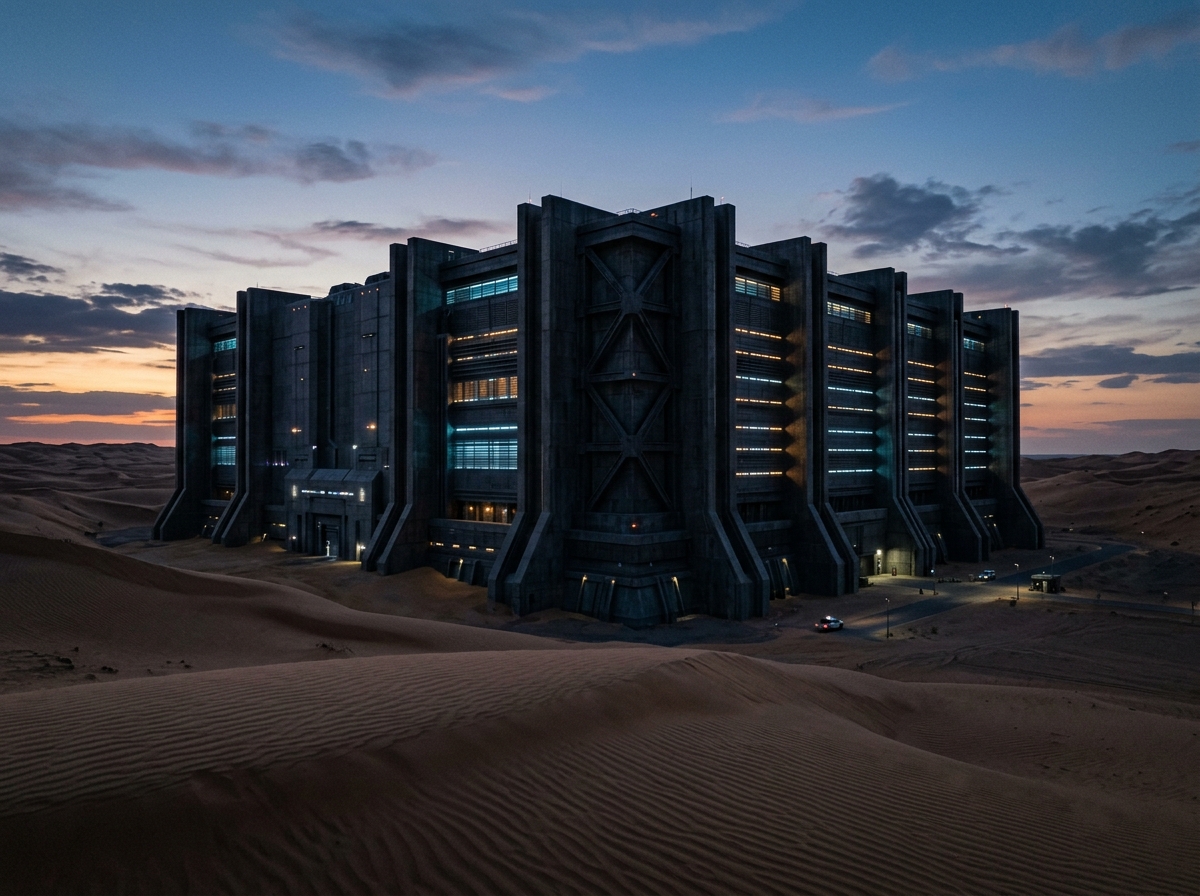
Work is continuing in the United Arab Emirates as well. State-backed firms have maintained construction on a sprawling AI campus in Abu Dhabi designed to add five gigawatts of computing capacity. Additional measures were introduced to protect workers at the peak of the conflict, people familiar with the project said.
The combined scale is striking. More than 11 gigawatts across the Saudi and Abu Dhabi programs represent an enormous requirement for servers, networking equipment, substations, cooling systems and backup power. Actual deployment will occur in phases, but even gradual delivery could put sustained pressure on regional supply chains and engineering capacity.
Gulf governments increasingly view computing capacity as strategic infrastructure, not simply another category of commercial property. AI models, government digitization and smart-city systems all require local or nearby capacity. Data sovereignty requirements and latency-sensitive applications add another reason to build inside the region rather than rely entirely on European or Asian facilities.
Market projections reinforce that strategy. Arizton estimates that the Middle East data center market will increase from about $3 billion in 2025 to approximately $7 billion to $7.2 billion by 2031. Separate colocation forecasts put regional revenue at $7.7 billion by 2030, up from about $2.6 billion in 2024, with roughly $33.8 billion in cumulative investment expected between 2025 and 2030. Saudi Arabia is forecast to capture about 39% of that spending.
The equipment opportunity is similarly large. Ken Research valued Middle Eastern sales of servers, storage, networking, power and cooling equipment at about $5.6 billion in 2025. It projects the market will reach $11.7 billion by 2031, representing a 13% compound annual growth rate. The UAE and Saudi Arabia led demand with approximately 1,600 megawatts of equipped IT load in 2025.
War risk, however, changes the design brief. What happens when a facility built for conventional uptime requirements must also operate through missile threats, airspace disruption or interruptions to fuel and equipment deliveries?
Operators may respond by distributing capacity across multiple sites, hardening power connections and maintaining larger inventories of critical components. Greater separation between primary and backup infrastructure could also become more attractive. The Uptime Institute Tier Standard remains relevant for reliability and redundancy, while ISO/IEC 27001 provides a structure for information security management. Neither removes physical conflict risk, but both can inform a broader resilience program.
The region already has more than 170 operational data centers, and Computer Weekly reports that Middle Eastern capacity is expected to triple by 2030. Public cloud expansion is supporting that trajectory: major hyperscalers increased their Middle Eastern cloud regions from seven in 2021 to 16 by 2025, with additional launches announced. AWS, Microsoft Azure, Google Cloud and Oracle are expanding alongside regional participants including STC and Khazna.
Financing vast campuses is only part of the challenge. Developers still need dependable electricity, water-conscious cooling, skilled workers, network connectivity and long-term access to advanced computing equipment. Security spending could lift project costs further, while duplicated systems may reduce some economies of scale.
Humain's fundraising plan and the continued Abu Dhabi construction suggest that Saudi Arabia and the UAE are treating those complications as manageable rather than disqualifying. For technology suppliers and investors, the commercial pipeline remains substantial. The opportunity now comes with a tougher question attached: not merely how quickly Gulf AI capacity can be built, but how well it can withstand a more dangerous operating environment.