 ⬇️
⬇️
Key Takeaways
- A former Osawatomie State Hospital employee says noise, vibration and light from Project Catalyst could affect psychiatric patients.
- The 283-acre proposal promises substantial tax revenue, but several environmental and patient-welfare studies remain underway.
- The dispute highlights how data center permitting increasingly involves healthcare, infrastructure and community-impact reviews, not only power availability.
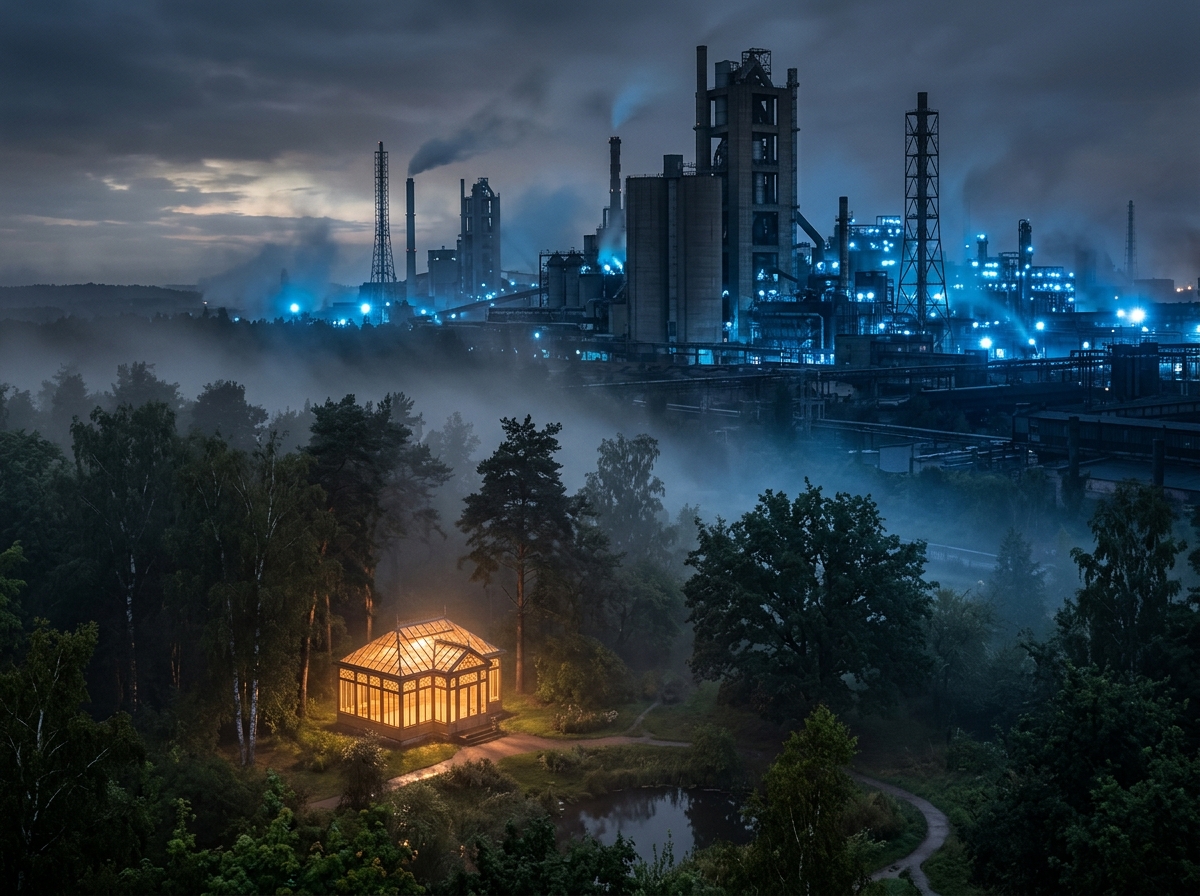
A former Osawatomie State Hospital employee who spent 16 years caring for patients is challenging the proposed location of Project Catalyst, a large data center campus planned just a few hundred yards from the taxpayer-funded psychiatric facility.
The Alcove Development project has expanded in proposed size from 115 acres to 283 acres and carries a substantial estimated investment. The former employee is not opposing data centers in general. The argument is narrower: the construction and continuous operation of a campus this large could introduce noise, light, vibration and machinery sounds into a particularly sensitive treatment environment.
“I've worked with a number of patients that had delusions about machinery,” the former employee said. “My concern with the data center is the construction to begin with, but then the continued operation I think could potentially interfere with their treatment.”
That distinction matters. Data center discussions frequently focus on electrical capacity, water use, taxes and jobs. Project Catalyst adds another dimension because nearly all patients at Osawatomie State Hospital are court-committed. They generally cannot choose to leave if construction activity, nighttime lighting or equipment noise becomes disruptive.
Sleep disruption is a primary concern. Fan noise, deep bass sounds and vibrations could disturb rest or become incorporated into the delusions of patients experiencing psychosis. These claims require site-specific assessment, rather than conclusions drawn from visits to other facilities.
Data centers vary considerably. Their effects depend on campus scale, equipment placement, cooling systems, backup generators, construction schedules, landscaping and the distance between industrial infrastructure and neighboring buildings. A Kansas City-area facility may offer a useful reference point, but it is not automatically comparable with Project Catalyst.
The Osawatomie city manager told KSHB 41 that patient-welfare issues had “been determined not to be concerns for a variety of reasons.” The city manager noted that visits to other data centers had not caused him to share the concerns raised locally. When asked what studies or expert input supported that position, he stated the developer remained engaged in studies.
A traffic impact study has been completed, while other reviews are underway. The Osawatomie City Council and planning commission will have roles after a formal application is received. The city manager also noted that a presentation and question-and-answer session with hospital employees still needed to be rescheduled.
For a site like this, a credible public record could include baseline and modeled sound levels, low-frequency vibration analysis, lighting plans, construction-hour controls, emergency-access modeling, water requirements, electrical infrastructure plans and mitigation commitments. The proximity of a psychiatric campus makes patient well-being and campus security relevant land-use questions, not merely cybersecurity questions.
The broader infrastructure numbers help explain why scrutiny is increasing. The European Commission, citing energy-sector research, reported that data centers consumed about 415 TWh worldwide in 2024, roughly 1.5% of global electricity. Consumption could reach about 945 TWh by 2030. Pew Research Center reported that U.S. facilities used about 183 TWh in 2024, more than 4% of U.S. electricity, while direct water consumption reached about 17 billion gallons in 2023.
Those pressures are increasingly concentrated in individual communities. Brookings has also examined how AI-related energy demand is entering regulatory debates, underscoring why local approvals can involve more than conventional zoning. Power supply, water, roads and public services can become central business risks.
Project Catalyst offers Osawatomie a striking financial case. The developer projects significant annual city revenue from property taxes, franchise fees and other local sources. Miami County could receive more than $10 million annually, while USD 367, the Osawatomie School District, is projected to receive more than $10 million each year.
Still, projected revenue does not settle compatibility. KSHB 41 reported that the Kansas Department for Aging and Disability Services had not responded to repeated requests for comment over nine months. Alcove Development had also been sent questions about its coordination with the state, with a response expected after the holiday weekend.
The former employee's intervention puts the burden on the review process to address both sides in measurable terms. Project Catalyst could deliver transformative public revenue. It could also place a major industrial campus beside one of Kansas’ largest psychiatric institutions and community employers. Whether those interests can coexist will depend less on assurances or comparisons with distant facilities, and more on transparent studies, enforceable operating conditions and direct participation from Osawatomie State Hospital and KDADS.