 ⬇️
⬇️
Key Takeaways
- Schneider Electric has agreed to acquire a 75% controlling interest in Motivair Corporation for $850 million.
- The deal centers on liquid cooling technology, specifically Coolant Distribution Units (CDUs), which are essential for managing the heat output of generative AI clusters.
- The acquisition allows Schneider to integrate direct-to-chip cooling directly into its broader data center energy management portfolio.
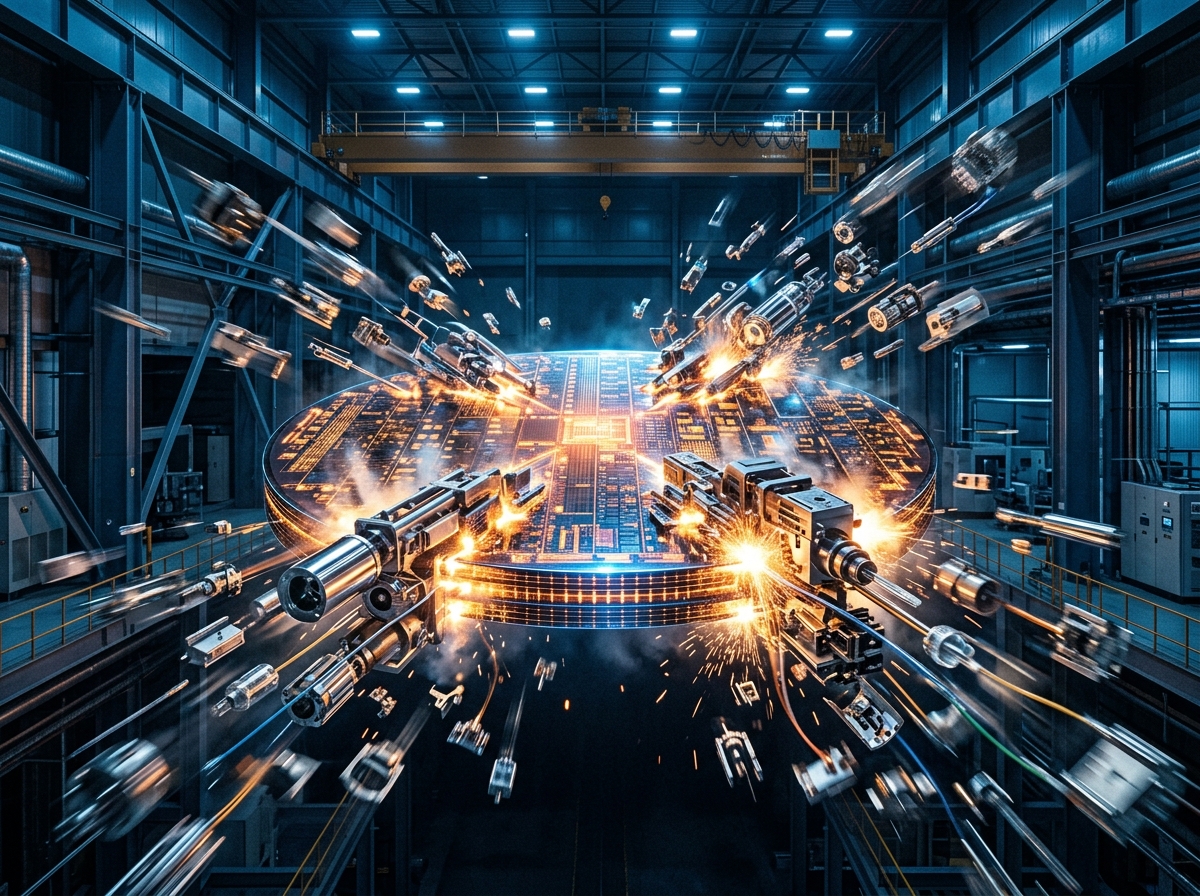
Data center power management is not just about expanding a product catalog anymore; it is about solving a physics problem that threatens to stall the AI rollout: heat.
Announced in October, Schneider Electric’s move to purchase a 75% controlling stake in Motivair for $850 million signals a definitive shift in how the industry views infrastructure. For years, air cooling was the standard. You could simply blow enough cold air through a server aisle to keep things running. It feels like just yesterday fan walls were sufficient for even the most robust facilities.
But generative AI has changed the math.
The GPUs powering Large Language Models operate at thermal densities that air cooling simply cannot handle efficiently. When you pack racks with NVIDIA’s latest chips, the heat generation is so intense that traditional HVAC systems become a liability. That is where it gets tricky for operators trying to retrofit existing floors for AI clients.
The Pivot to Liquid Cooling
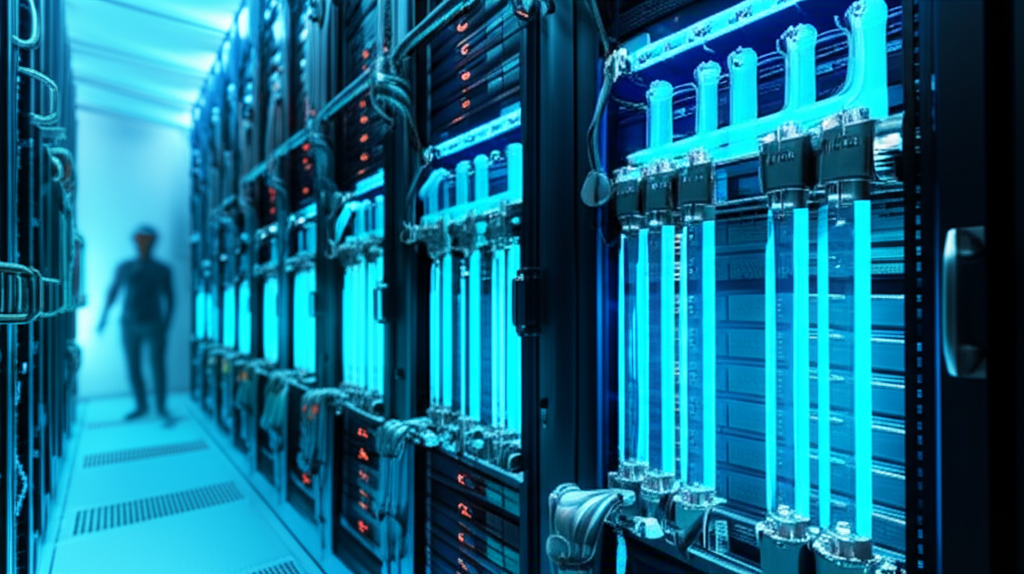
This deal gives Schneider immediate access to Motivair’s specialized portfolio, most notably its Coolant Distribution Units (CDUs). These units are the heart of liquid cooling systems, circulating fluid directly to the chip or through rear-door heat exchangers to remove heat at the source.
By integrating this technology, Schneider is acknowledging that power and cooling are no longer separate conversations. In a high-density environment, cooling is power management. If you cannot reject heat efficiently, you cannot deliver power safely.
Schneider Electric CEO Peter Herweck framed the move as a direct response to the "accelerated growth" of data centers driven by digitization and AI. The transaction, expected to close in the coming quarters, values the specialized engineering firm highly—an all-cash deal that underscores the urgency of market demand. Schneider also expects to acquire the remaining 25% of the company by 2028.
Why Hyperscalers Are Driving the Bus
The pressure isn’t coming from enterprise IT closets; it is coming from the hyperscalers—the Microsofts, Googles, and Meta Platforms of the world. These companies are in an arms race to deploy compute capacity. They don’t have the luxury of waiting for new cooling standards to settle; they need proven infrastructure that can handle thermal design power (TDP) exceeding 100kW per rack.
Motivair has carved out a niche by serving exactly this tier of customer. They specialize in the kind of direct-to-chip cooling that allows processors to run at peak performance without throttling due to thermal limits.
What does that mean for teams already struggling with integration debt? It suggests that the future data center will be a hybrid environment. While standard workloads may remain air-cooled, high-value AI clusters will require liquid loops. Schneider’s strategy is to offer a unified architecture where the power distribution units (PDUs) and the cooling loops talk to each other, optimizing efficiency across the entire hall.
The Operational Reality
Bringing Motivair under the Schneider umbrella solves a specific pain point: the fragmentation of the supply chain. Previously, data center builders might source power gear from a giant like Schneider or Eaton, but then have to stitch together a liquid cooling solution from niche vendors.
It is a small detail, but it tells you a lot about how the rollout is unfolding. By owning the CDU technology, Schneider can likely streamline the deployment process, offering pre-validated reference designs that reduce the risk for operators deploying their first liquid-cooled rows.
However, the integration of liquid cooling into brownfield facilities remains a massive engineering hurdle. Retrofitting a facility designed for air to handle fluid involves plumbing, leak detection, and weight distribution challenges that software alone cannot fix.
Beyond the Hardware
The broader implication here is the rapid professionalization of liquid cooling. It is moving from a bespoke solution used in supercomputers to a standard utility in commercial data centers.
The sector is growing rapidly, with liquid cooling projected to expand significantly as chip TDPs continue to rise. Schneider’s entry is a validation that this isn't a temporary trend.
Still, the transition won't be seamless. Operators must now develop new competencies. Facilities teams accustomed to managing airflow and humidity must now become experts in fluid dynamics, coolant chemistry, and pressure management.
Looking Ahead
The Motivair acquisition places Schneider Electric in a strong position to defend its dominance in the data center aisle. As AI clusters grow larger, the physical infrastructure supporting them must become more sophisticated.
We are seeing the end of the "one-size-fits-all" data center. The facility of the near future will be a mix of traditional air-cooled zones for storage and general compute, and dense, liquid-cooled zones for AI training and inference. Schneider’s bet is that by controlling the critical thermal interface—the CDU—they can control the pace of this evolution.
For B2B leaders in the infrastructure space, the takeaway is clear: efficiency is no longer just about PUE (Power Usage Effectiveness) numbers on a dashboard. It is about the fundamental capability to keep the silicon turned on.