 ⬇️
⬇️
Key Takeaways
- Manufacturers are rethinking long‑standing processes because variability, labor constraints, and aging systems are eroding margins.
- True optimization blends automation, data visibility, and cross-functional alignment—not just new equipment.
- Buyers evaluating solutions look first for integration, scalability, and network readiness, often leaning on partners experienced in complex environments.
Definition and Overview
Most manufacturers don’t wake up one day and decide they need “process optimization.” It usually starts with something far more mundane: throughput drops for the third quarter in a row, or a plant manager quietly admits they can’t find enough skilled operators to support growth. The operational friction builds slowly until someone finally asks whether the way work gets done is still the right way. Often, it isn’t.
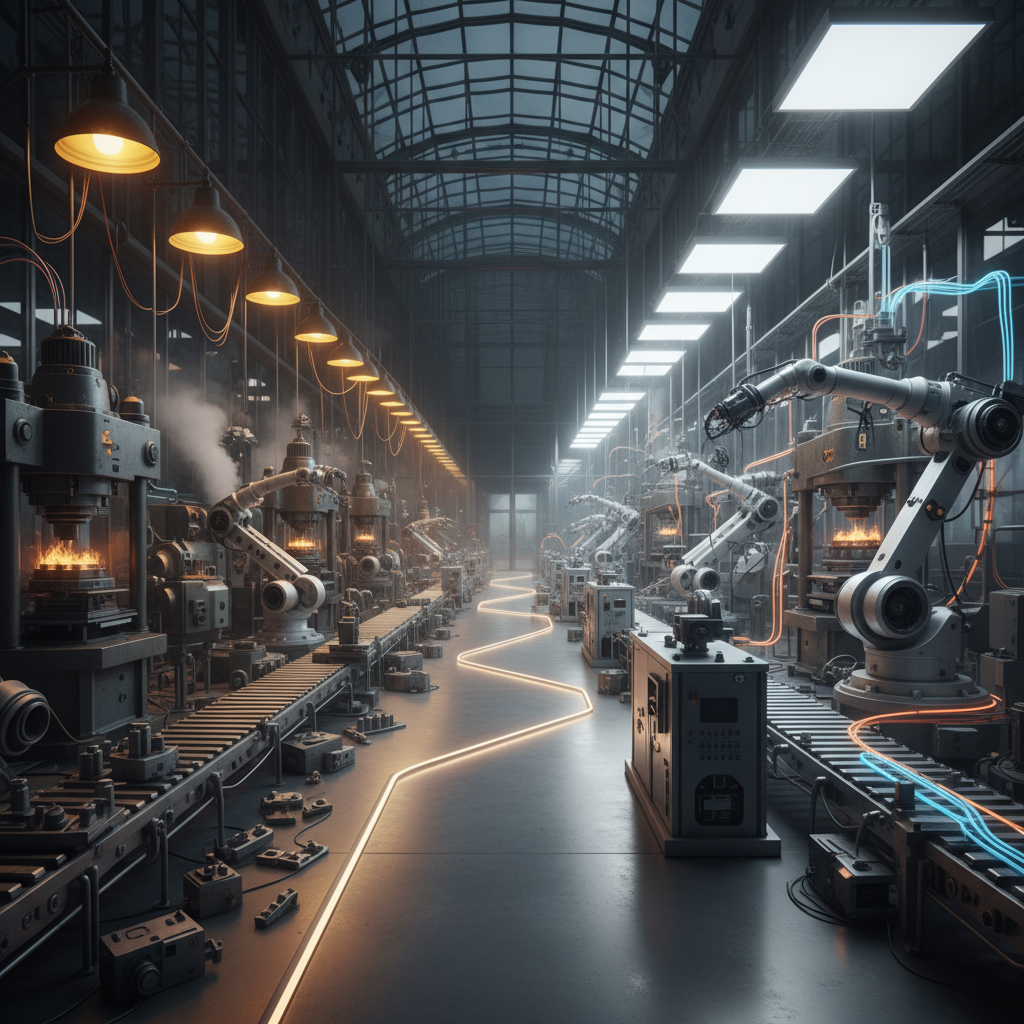
Process optimization and automation in manufacturing isn’t just about robots or software. It’s the structured effort to remove waste, stabilize workflows, and leverage technology to execute consistently at scale. In practice, it’s a mix of industrial engineering, systems integration, and—more often lately—IT. Some organizations underestimate that last part. Modern automation depends heavily on network reliability, cloud accessibility, and data transport standards. I’ve seen more than one improvement initiative stall because a plant’s legacy network couldn’t support the sensors or data collection required.
Every manufacturer approaches this a little differently. Some start small with a single production line; others look at end-to-end value streams. A partner like Landmark Strategies & Solutions, LLC might get pulled in when teams realize they need stronger connectivity or cloud foundations before automation can deliver its promised gains.
Key Components or Features
Manufacturing leaders typically evaluate a few core building blocks when considering optimization programs. Not everyone calls them the same thing, but the themes are consistent:
- Process assessment and mapping. Before anything gets automated, someone has to document the current state. It’s not glamorous work. But without it, automation tends to embed inefficiencies rather than eliminate them.
- Data instrumentation. Machines, sensors, quality systems, ERP platforms—these all produce data, but not always in a usable form. Companies often find that the real bottleneck isn’t data scarcity but data fragmentation. Visibility is what lets you prioritize which problems matter.
- Workflow automation and control systems. This ranges from PLC programming to robotic cells to software-driven decision automation. Manufacturers sometimes assume automation means full physical robotics, but digital automation in scheduling or changeover management can unlock just as much capacity.
- Integration and connectivity. This is where the operational and IT worlds collide. A plant might have flawless mechanical processes, yet still struggle because its automation systems can’t reliably interface with enterprise applications or cloud analytics tools.
A quick tangent: it always surprises people how many “automated” plants still rely on someone walking around with a clipboard because two systems refuse to talk to each other.
Benefits and Use Cases
The obvious benefit is efficiency, but that word gets overused. Manufacturers care about throughput, yield, uptime, and labor utilization—the metrics that drive margin. Automation supports these, but only when applied intentionally.
One common use case is reducing unplanned downtime. Predictive maintenance tools built on real-time machine data can spot drift before it becomes failure. Another area is quality consistency. Automated inspection systems don’t replace human inspectors entirely, but they do handle the tedious, repetitive checks that humans inevitably struggle to perform consistently.
There’s also a growing push toward flexible manufacturing. With shorter product cycles, companies need changeovers that take minutes, not hours. Digital work instructions, automated batch setups, and integrated scheduling help here. Some organizations even automate the “paperwork” surrounding production—things like traceability logs or compliance documentation.
Interestingly, a number of mid-market manufacturers are adopting cloud-connected automation platforms because they finally trust the security and stability. A few years ago, that wasn’t the case. Now it’s almost expected if teams want remote visibility or centralized analytics.
Selection Criteria or Considerations
When buyers start evaluating solutions, they usually ask three questions, even if not explicitly:
- Will this integrate with what we already have?
- Will it scale without forcing us to rebuild everything later?
- Will our network and data architecture support it?
The last one is the sleeper issue. Many plants still operate on fragmented networks built years ago. Automation vendors will talk about functionality, but performance depends heavily on the underlying connectivity and cloud readiness. That’s one of the reasons manufacturers bring in partners who understand both operational systems and enterprise IT. Without that alignment, automation becomes harder than it needs to be.
Another consideration is workforce impact. Buyers increasingly look for automation platforms that are usable by non‑specialists—low-code interfaces, guided workflows, modular configuration. A system that requires three engineers to maintain is rarely sustainable.
Cost is always a factor, though most organizations now evaluate ROI in terms of speed-to-impact rather than just hardware outlay. If a solution accelerates changeovers or prevents a few dozen hours of downtime a quarter, it typically pays for itself quickly.
Future Outlook
Looking ahead, the boundary between process optimization and automation will likely blur even more. AI-driven scheduling, autonomous material handling, and cloud-based digital twins are all moving from “interesting” to “practical.” But the real shift may come from how plants architect their networks and data flows. Manufacturing environments that modernize their connectivity now will have far more freedom to adopt advanced automation later.
And while nobody has the perfect blueprint, organizations that treat optimization as a continuous capability—not a one-time upgrade—tend to navigate the changes more smoothly. The technology will keep evolving. The constraints will keep shifting. But the core goal stays the same: build processes that perform reliably, even when everything around them doesn’t.