 ⬇️
⬇️
Key Takeaways
- Amazon Web Services (AWS) acquired a data center campus from Talen Energy to secure direct nuclear power access.
- The "behind-the-meter" arrangement allows the hyperscaler to bypass traditional transmission constraints while accessing carbon-free baseload energy.
- Utility operators and grid regulators are scrutinizing these arrangements due to concerns over cost-shifting and grid stability.
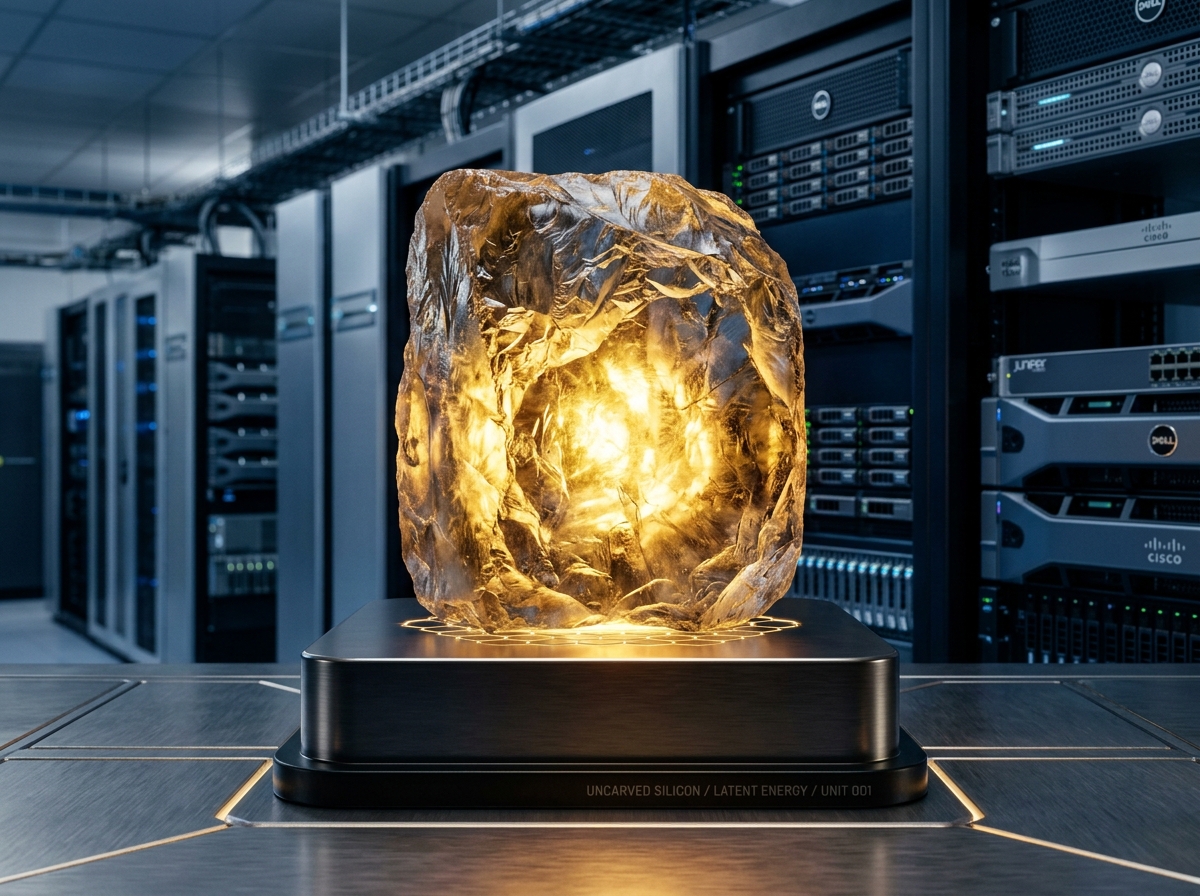
Talen Energy and Amazon Web Services (AWS) initially outlined a potential partnership that could include a data center campus, but the entities eventually moved beyond just an outline into a definitive $650 million transaction earlier this year. The acquisition of the Cumulus Data assets by AWS wasn't just a real estate deal; it was a signal flare regarding the future of energy consumption in the technology sector.
For years, the industry talked about efficiency. PUE (Power Usage Effectiveness) was the golden metric. But efficiency only gets you so far when the workload demand—driven relentlessly by Generative AI—is exploding.
Here is the reality regarding the current infrastructure landscape: The grid is crowded. Transmission queues are backed up for years. So, the biggest players are deciding to simply go to the source.
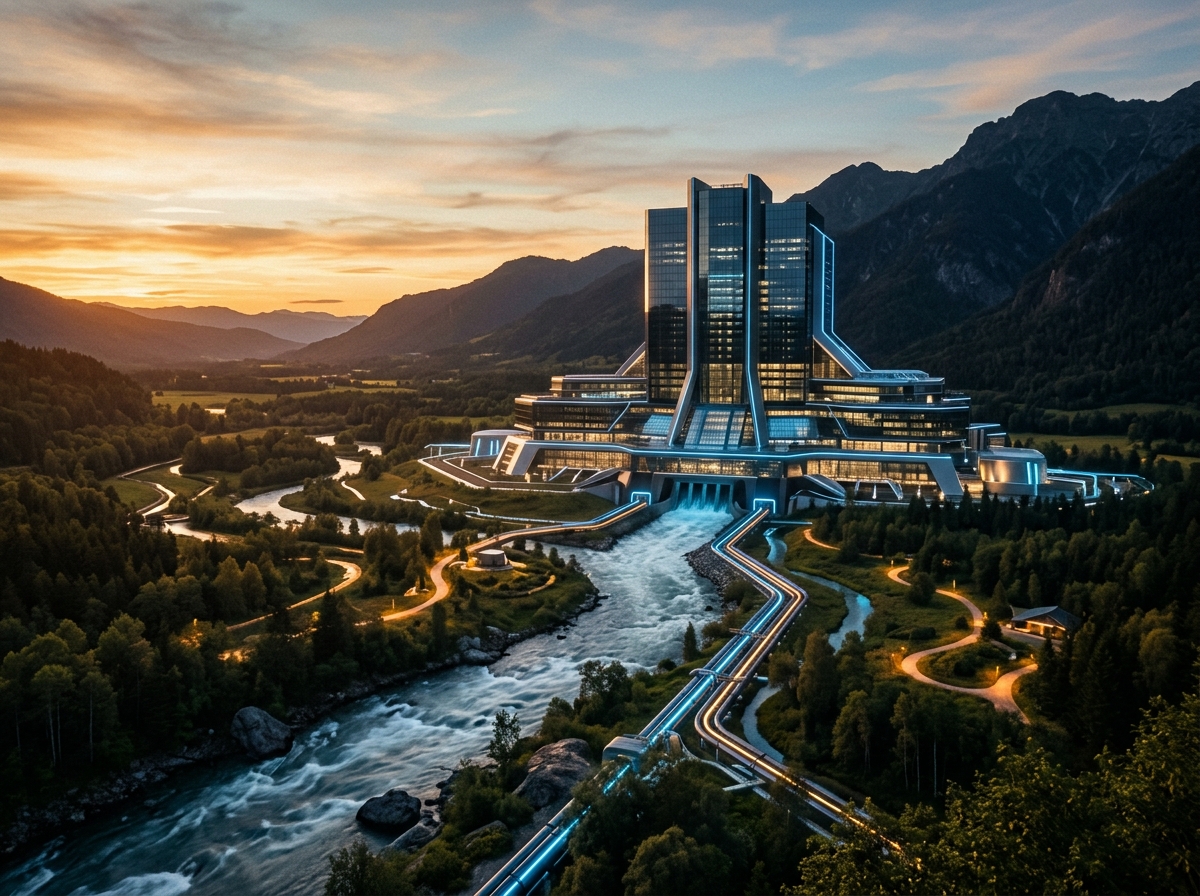
The deal centers on a campus adjacent to Talen’s Susquehanna Steam Electric Station in Pennsylvania. By collocating the data center facility next to the nuclear plant, AWS secures what is known as "behind-the-meter" power. Instead of pulling electricity that has traveled miles through the regional transmission organization's infrastructure, the electrons flow directly from the generator to the server racks.
Why does this matter? Stability.
Wind and solar are critical parts of the renewable mix, but they are intermittent. Data centers, particularly those training massive language models, require flat, uninterrupted baseload power. Nuclear offers carbon-free energy that is always on.
This transition marks a strange, almost ironic evolution in industrial history. We are seeing the cutting edge of digital innovation—AI and cloud computing—reaching back to partner with mid-20th-century atomic physics. The deal allows AWS to ramp up capacity up to 960 megawatts eventually, a staggering amount of power for a single campus.
That said, this approach isn't without its detractors.
The broader energy market is watching this with a mix of fascination and dread. When a massive customer like a hyperscale data center pulls power directly from a generator, that power is no longer available to the wider grid. It essentially removes a steady supply source from the PJM Interconnection (the regional grid operator).
Major utility companies have raised eyebrows—and regulatory filings—arguing that this could shift transmission costs to regular ratepayers. If the hyperscalers aren't paying for the grid infrastructure because they aren't using it, who maintains the wires for everyone else? It is a valid economic question that the Federal Energy Regulatory Commission (FERC) and other bodies are currently wrestling with.
But let's look at the operational side for a moment.
The physical constraints of building data centers have shifted. It used to be about fiber latency and proximity to major metros like Ashburn or Silicon Valley. While latency still matters, power availability has usurped it as the primary site selection criteria.
We are entering an era where the data center follows the electron, rather than the other way around.
Talen Energy’s strategic pivot to monetize its generation assets by pairing them with digital infrastructure is likely a blueprint other independent power producers will follow. They are sitting on the one commodity that Silicon Valley cannot code into existence: gigawatts of reliable capacity.
Is this the death of grid-connected data centers? Hardly. The vast majority of capacity will still plug into the wall like everything else. However, for the massive "AI factories" required to train the next iterations of GPT or Claude, the grid might simply be too slow and too uncertain.
There is also a timeline issue at play here. Building new transmission lines takes a decade. Building new wind farms takes years. AI compute demand is doubling roughly every six to nine months. The math just doesn't work unless you find existing power capacity and build right on top of it.
This deal creates a precedent. It suggests that the future of cloud infrastructure is vertical integration, not just of chips and software, but of the energy supply chain itself. We might see a future where data center operators are as versed in nuclear regulatory compliance as they are in cooling systems.
For now, the AWS and Talen arrangement stands as a proof of concept. It demonstrates that nuclear energy, often maligned and stalled in the US, has found a wealthy and motivated new patron in Big Tech. Whether the regulatory environment will allow this model to scale remains the open question, but the economic logic driving it is undeniable.