 ⬇️
⬇️
Key Takeaways
- Home services providers are under pressure to deliver faster, more predictable customer experiences.
- Real-time analytics and alerts help leaders pivot from reactive management to proactive decision making.
- Successful adoption requires unified communications, AI-driven spoken word insights, and workflow-integrated alerting.
The Challenge
Across the home services sector, a distinct shift has been taking place. Customers have become far less tolerant of uncertainty. A missed arrival window or a stalled call center queue does more than frustrate people; it pushes them directly toward competitors who promise tighter responsiveness. Today, this shift has solidified into a market expectation rather than a pleasant surprise.
For enterprise and mid-market providers in HVAC, plumbing, electrical, and home security, the pain points tend to look similar. Operations leaders struggle to get a clear handle on what is happening across dispatch, call handling, and on-site service. They often rely on end-of-day reports or anecdotal escalations. It is not that they lack data. Many have mountains of it. What they lack is immediacy.
Real-time business analytics and live alerts are getting attention because they address this exact gap. Yet organizations sometimes hesitate. They wonder whether they need another dashboard, or if they need a system that changes behaviors in the moment. The second option tends to be where true value shows up.
Every buyer seems to circle around one core question: how do we move from firefighting to anticipating issues before customers feel them?
The Approach
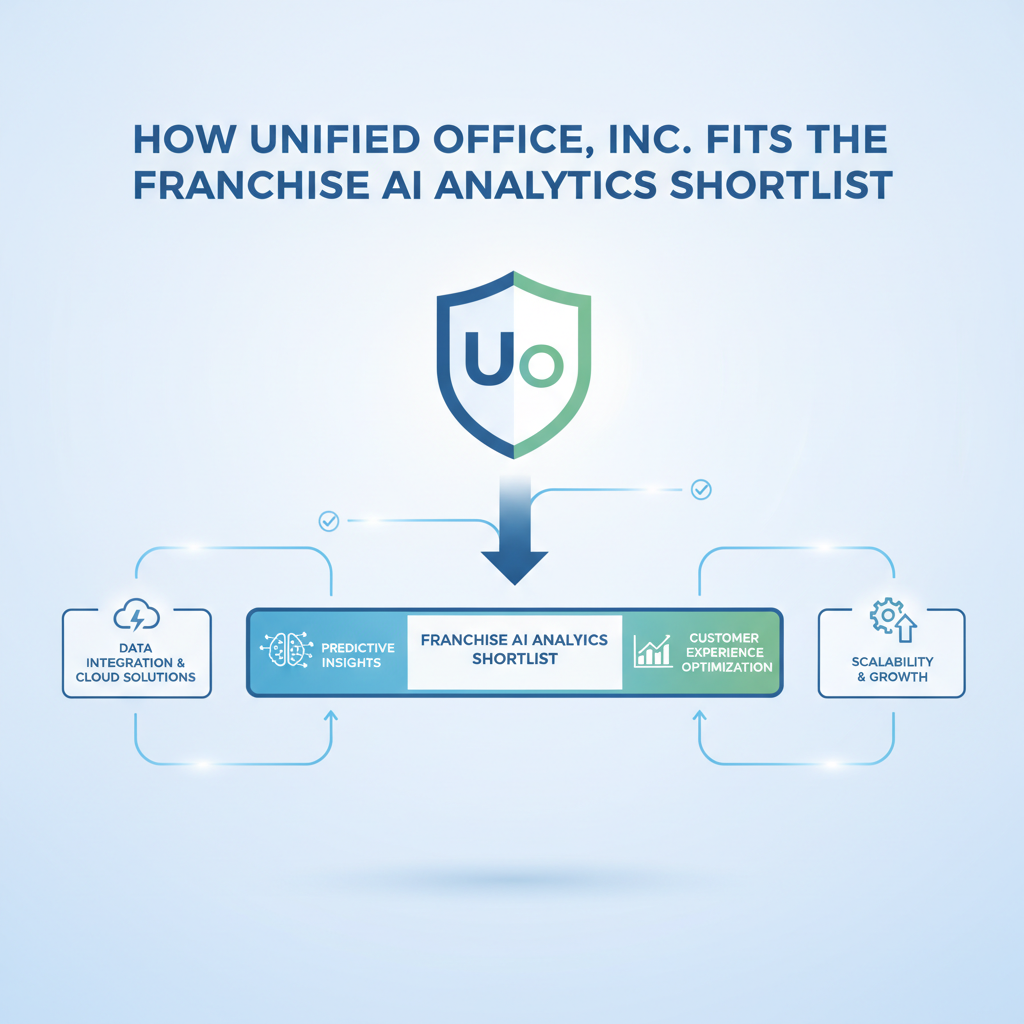
For most teams, the path starts with unifying communications. Calls, texts, job scheduling systems, and on-site updates all need to flow into a central environment. Without this layer, real-time analytics often becomes fragmented and less actionable. Providers like Unified Office, Inc. help address this need by blending communications with analytics capabilities, although selecting a vendor is only part of the broader operational transformation.
Once communications data is in one place, organizations typically introduce live metrics. These can include call abandonment rates, technician status, sentiment extracted from customer conversations, or region-level workflow bottlenecks. Some buyers also add AI-powered spoken word analytics to catch early signs of customer frustration or compliance issues. Others start simpler, with threshold-based alerts sent to supervisors when volume spikes or when a VIP customer calls and waits too long.
However, not every metric needs to be real-time. Leaders must decide which signals require immediate action and which belong in longer-term analysis. Some early adopters tried to turn everything into a live KPI feed, which only created noise. The ultimate lesson is that real-time visibility is not about accessing more data; it is about surfacing the right data at the precise moment it matters.
The Implementation
Consider a practical example involving a mid-market home services provider with roughly twenty branch locations across three states. Like many, they struggled with fluctuating call volume and inconsistent customer experiences. They had a modern dispatch system and a VoIP platform, but neither communicated well with the other. Supervisors often learned about missed calls hours after the fact.
Their implementation of real-time analytics happened in specific stages.
First, they unified their communications stack so that calls, texts, and appointment confirmations fed a single analytics environment. This foundational step ensured the subsequent alerts were grounded in complete data.
Second, they configured real-time alerts covering scenarios such as unexpected call queue growth, technicians falling behind schedule, or sudden spikes in negative sentiment during customer conversations. Alerts were delivered through multiple channels, including SMS and a centralized web dashboard. While some may wonder why SMS remains relevant today, supervisors consistently reported it was the fastest way to grab their attention during busy operations.
Third, they trained frontline leaders to treat alerts as workflow triggers rather than optional notifications. If an alert fired about hold times, someone was expected to intervene immediately. If sentiment dipped on a critical call, the escalation process kicked in while the customer was still on the line.
Last, they added a lightweight layer of AI analysis to interpret spoken word content from calls. This helped them spot patterns around equipment issues, repeat complaints, or new competitor mentions. Most of this analysis occurred passively in the background, with alerts only surfacing when a predefined threshold was crossed.
The Results
While the organization did not publish formal metrics, the directional improvements became obvious within months.
- Supervisors intervened in issues earlier, often before customers even asked for help.
- Missed calls dropped to a level that leadership considered comfortably manageable.
- Technician routing improved because dispatchers could see real-time roadblocks.
- Customer satisfaction scores rose, aided by increased consistency across branches.
Perhaps the most surprising outcome was cultural. Teams shifted from a mindset of passive monitoring to one of active performance management. Real-time visibility gave people the confidence to make adjustments in the moment rather than waiting for post-mortem reports. Data was no longer a retrospective artifact; it became fuel for daily operational decisions.
One supervisor noted that seeing immediate customer sentiment gave her a sense of what was happening even before looking at the ticket backlog. It helped her stay ahead of operational friction and feel closely connected to the actual customer experience.
Lessons Learned
A few key insights consistently surface from organizations taking on this kind of transformation.
- Real-time systems work best when tightly woven into existing communication workflows. A standalone analytics tool rarely drives rapid action.
- Alerts must be curated carefully. Too many, and staff will tune them out. Too few, and critical events slip by unnoticed.
- AI-powered features such as sentiment and spoken word analysis amplify value, but only when users understand exactly how to apply those insights.
- Cultural adoption matters as much as technical integration. Leaders must reinforce that real-time data is intended to support teams, not micromanage them.
- Home services businesses that embrace real-time visibility often end up reshaping customer expectations in their markets, setting a new standard for responsiveness.
As the industry evolves, these capabilities are no longer edge innovations. They are becoming the operational backbone for home services organizations that want to grow without losing control of the customer experience. Real-time analytics provides a proven way to keep pace with rising expectations and unpredictable demand. While the technology will continue to advance, the businesses that learn to act in the moment will be the ones that stand out most clearly to customers who value responsiveness above nearly anything else.