 ⬇️
⬇️
Key Takeaways
- Modern retail complexity is pushing ERP integration from “nice to have” to survival-level infrastructure
- Integration only works when data movement mirrors real operational rhythms—not theoretical workflows
- Retailers evaluating solutions should prioritize adaptability, domain context, and a sustainable integration model
Definition and Overview
Retail has always been a data-heavy industry, but something shifted over the last five to seven years. The mix of ecommerce acceleration, supply chain disruption, and customer expectation drift has pushed retailers to operate in two worlds at once: digital and physical. And the data rarely lines up cleanly between them. ERP integration becomes the connective tissue in all of this—less glamorous than AI dashboards or omnichannel apps, but far more fundamental.
At its simplest, ERP integration is the process of linking the core system of record with the rest of the operational ecosystem. But that definition undersells the reality. Retail environments have ERPs that are often decades old, stitched together with new POS platforms, order management layers, marketplace feeds, and—more recently—AI analytics tools that need near-real‑time data. Without integration, each system behaves like a silo, and operational teams end up stitching context together manually. You can imagine how quickly that breaks.
Some retailers bring in lightweight middleware to bridge the gap. Others attempt point-to-point integrations that seem cheaper up front but eventually turn into a thicket of spaghetti connections. A few experiment with platforms like Plato as they look to couple ERP data with sales intelligence or wholesale insights. The patterns vary, but the drivers are the same: centralizing truth and reducing operational drag.
Key Components or Features
Strangely enough, the hardest part isn’t the technology itself but agreeing on which data flows actually matter. Once that’s clear, the components are more straightforward.
- Data synchronization: Usually inventory, orders, pricing, product attributes, and customer data. Some retailers sync everything; others focus tightly on the flows that influence sales velocity.
- Event-driven triggers: Instead of relying on batch updates, real-time or near-real-time triggers help avoid overselling or stale data—big concerns for multicategory retailers.
- API or middleware orchestration: This is where many teams discover the difference between “this system can integrate” and “this system integrates cleanly.” Not the same thing.
- Governance and validation: Retailers underestimate how often data arrives incomplete or in the wrong format. Good integration frameworks include guardrails so errors surface early instead of corrupting downstream systems.
Here’s the thing: even the most elegant integration strategies still need human stewardship. Someone has to define ownership, escalation paths, and change control. Otherwise the system becomes a black box, and confidence erodes.
Benefits and Use Cases
Some benefits you can quantify; others feel more like removing persistent headaches. The obvious one is a unified operational view. But the underlying value often shows up in smaller, more incremental ways.
Shorter fulfillment cycles, for example. Or less firefighting on the ecommerce side when inventory updates lag behind actual stock levels. Retail planners tend to appreciate integration most when replenishment recommendations finally reflect something close to real conditions.
A common use case is wholesale channel orchestration—especially for brands that rely on B2B marketplaces or retail partners that expect timely data. Integration between ERP and sales intelligence platforms helps sales teams spot trends earlier and respond before seasonality or demand spikes shift the picture.
Another growing use case involves AI-driven forecasting. But AI only works as well as the data feeding it. If a retailer’s ERP sends outdated or inconsistent data, even the most advanced predictive models stumble. Integration becomes the arbiter of quality.
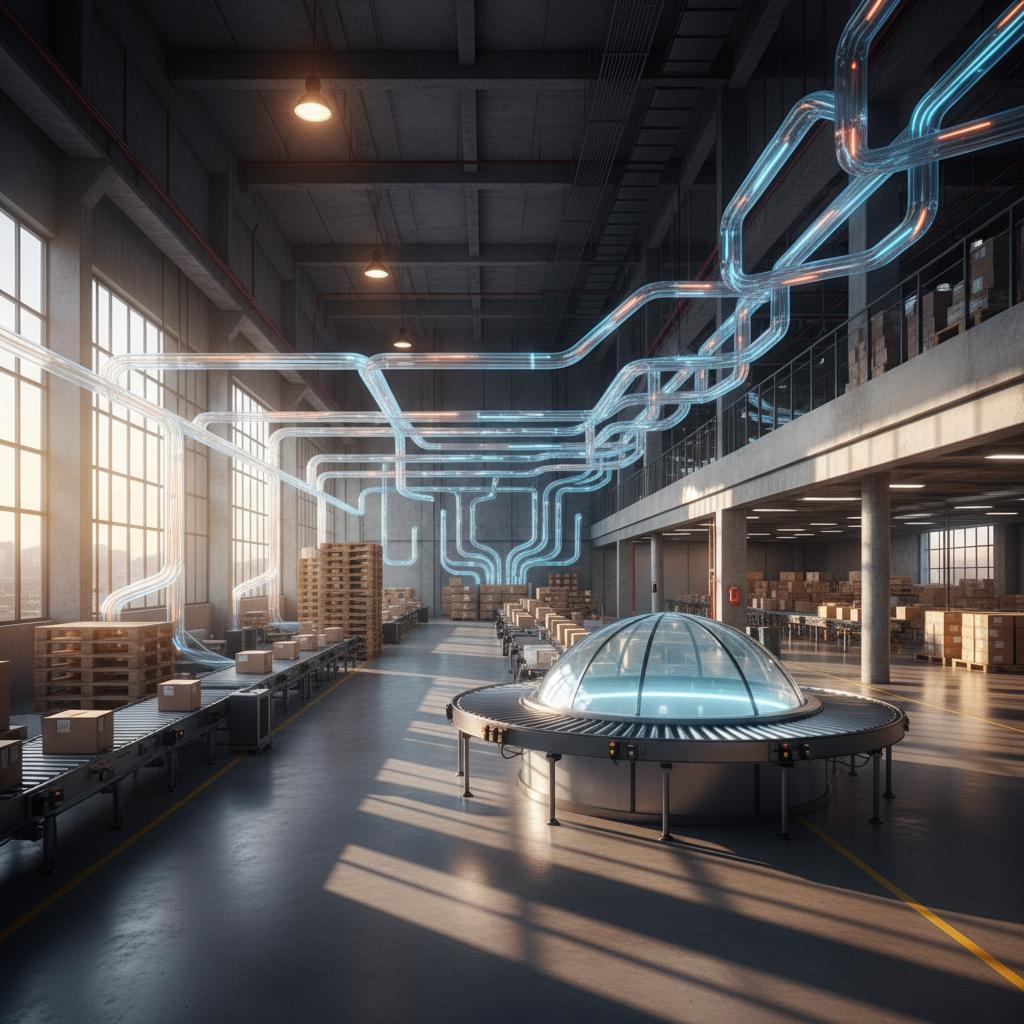
One of the more interesting patterns lately is retailers building lightweight “nervous systems” across distribution centers, POS environments, and online storefronts. This isn’t about centralizing everything into a monolith—more about letting each system do its job while still contributing to shared visibility.
Selection Criteria or Considerations
Buyers evaluating ERP integration options typically start with technical compatibility, but the real differentiators show up elsewhere.
- Adaptability to change: Retail moves quickly. Promotions, merchandising shifts, new channels—integrations must keep up. Rigid, hard-coded connectors usually struggle within a year.
- Domain depth: Integrating an ERP for retail is not the same as integrating for manufacturing. Systems with built‑in retail logic reduce friction and avoid messy workarounds.
- Data latency tolerance: Some retailers truly need real-time, but others can operate with smart batching. Understanding the right cadence prevents overengineering.
- Operational ownership: A surprising number of integrations fail because no one internally "owns" them. Teams choosing platforms should consider not just build effort but ongoing maintainability.
- Expansion paths: Most retail tech stacks evolve in phases. Integration should support additional systems—marketplaces, analytics tools, even emerging AI applications—without requiring reinvention.
Many organizations quietly prefer solutions that offer visibility into data flows rather than hiding everything behind the curtain. When something goes wrong (and something always will), transparency beats elegance.
Future Outlook
The future of ERP integration in retail feels less like big-bang transformation and more like incremental modernization. A lot of retailers are stuck between legacy ERPs and newer cloud-native subsystems, and bridging those worlds is going to take time. API ecosystems are getting better, but not uniformly.
AI will push integration deeper, not replace it. Predictive systems need context; context comes from integrated operational data. And as retailers diversify channels—marketplaces, social commerce, direct fulfillment partners—the volume and speed of required integration will increase.
Maybe the most promising trend is that integration is finally becoming less of a one-off project and more of an ongoing capability. Teams are starting to treat it like a living part of the business, something that evolves alongside merchandising strategies and supply chain rhythms. It's a quieter shift, but a meaningful one.