 ⬇️
⬇️
Key Takeaways
- Dutch intelligence reported that Russian hackers accessed unsecured civilian IP and doorbell cameras positioned along NATO-linked transport routes
- The incident highlights ongoing vulnerabilities in consumer IoT ecosystems and their convergence with defense-adjacent environments
- Analysts warn that unmanaged edge devices near critical infrastructure can offer adversaries inexpensive and persistent reconnaissance opportunities
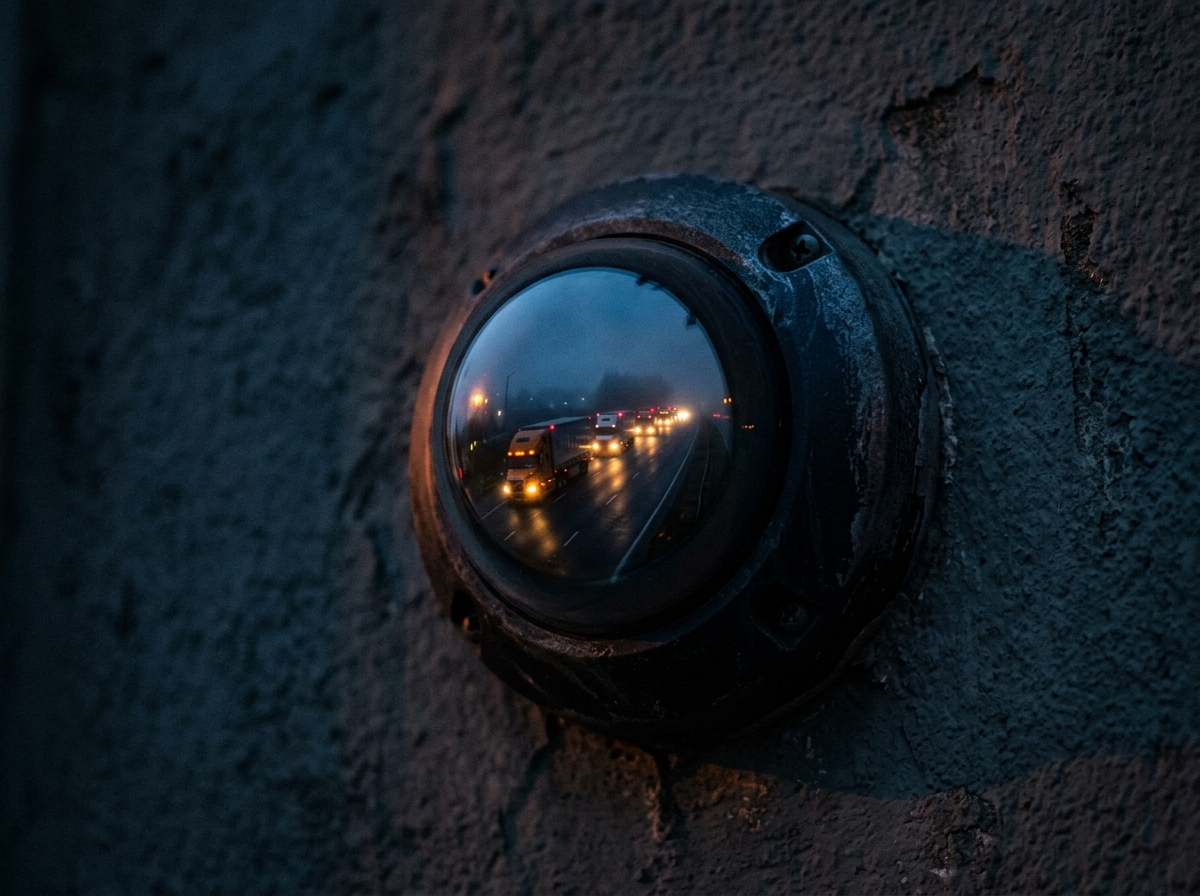
Civilian technology creeping into defense environments is not a new story, but the disclosure from the AIVD and MIVD added a sharper edge to the discussion. Their joint investigation revealed that Kremlin-based hackers had remotely accessed consumer cameras, including doorbell systems, near NATO military transport routes. The goal was straightforward: observe the movement of equipment destined for Ukraine and map what might be flowing toward Kyiv. That is a remarkably low-cost intelligence tactic, yet it fits the broader pattern seen across recent conflicts.
At first glance, unsecured home cameras sound too trivial to matter. Yet the agencies found many devices pointing directly toward roads, depots, or transit chokepoints. Once located through open scanning tools, the cameras were easy to enter due to default passwords, outdated firmware, or unpatched software. The Dutch services described the activity as a large-scale Russian operation and warned affected organizations so they could take corrective steps.
This aligns with years of industry research noting the fragility of consumer IoT security. The widely cited NIST guidance on IoT device risk shows that many cameras and smart home devices ship with weak credentials or lack secure update channels. That makes them inviting entry points. ENISA has echoed similar concerns, identifying video surveillance and smart home systems as some of the most exposed device categories in Europe. Cheap imports and widespread broadband access only accelerate the trend.
The operational impact is not theoretical. Ukrainian security teams have used compromised Russian cameras to track troop movements. Israeli officials previously warned that Iran leveraged private security cameras to identify targets during drone and missile campaigns. Even intelligence services such as the CIA and Mossad have penetrated foreign traffic camera networks to support high-stakes operations. These examples hint at how rapidly local devices, originally meant for home or small business use, have become part of national security calculations.
These systems frequently remain online with minimal protection due to their sheer scale. Gartner projects, according to the Gartner IoT Forecast, that enterprise and public sector deployments will reach 15 billion connected devices by 2029. Many of these are unmanaged or only lightly monitored. Cameras, in particular, tend to be installed once and rarely revisited. Firmware updates are inconsistent. Password hygiene varies. And when positioned near sensitive spaces, even unintentionally, the risk multiplies quickly.
Ground-based cameras offer a view that satellites and drones do not. They capture angles, lighting, and patterns of daily movement that can reveal operational rhythms. For any adversary pursuing cheap reconnaissance, they are a compelling asset. Why invest in a high-end surveillance campaign when an open RTSP stream from a doorbell camera offers a clean line of sight?
This is the environment CISA has been warning about. The agency has noted that attackers regularly exploit open camera services to gather reconnaissance across logistics networks and defense supply chains. The Surveillance Industry Association adds another layer of perspective by pointing out the scale: more than 150 million network cameras shipped globally in 2023. A sizable share of those ended up in mixed civilian-military environments, where the boundary between personal property and strategic observation points is thin.
It also raises a practical concern for corporate security leaders. Many businesses near transportation corridors deploy cameras without considering how their fields of view intersect with military convoys or partner logistics. A delivery facility or warehouse might unintentionally record sensitive movement patterns. Once footage becomes remotely accessible, even momentarily, the data can be scraped or monitored in real time.
Standards like NIST's IoT Cybersecurity Framework and ISO/IEC 27001 address this by guiding organizations through device inventory, credential management, update processes, and network segmentation. No single framework solves the challenge, but they establish shared expectations that help enterprises evaluate their exposure. And while these controls are often framed as traditional cybersecurity measures, they increasingly touch physical security as well.
Device owners often misunderstand the potential consequences of compromise, believing their home cameras are too mundane to attract attention. Dutch intelligence made this explicit, pointing out that most owners had no idea their devices were being used. In a sense, that lack of awareness is exactly what makes these systems tactically appealing. The more invisible the intrusion, the less likely it is to be detected.
The AIVD and MIVD report also reflects a broader truth about modern conflict. Intelligence collection is no longer limited to nations with satellites or specialized equipment. It now relies on whatever digital visibility exists across a region. Consumer hardware blends into urban environments so effectively that it becomes a passive sensor grid, whether owners intend it or not.
For B2B security teams, the lesson is not simply to warn employees about doorbell cameras. The real takeaway is recognizing how quickly consumer-grade technology can create enterprise-grade risk when placed near sensitive operations. The boundaries between personal devices and strategic intelligence have collapsed. Organizations positioned along transport routes, industrial corridors, or diplomatic districts may want to reassess what their cameras can see and who else could be watching.