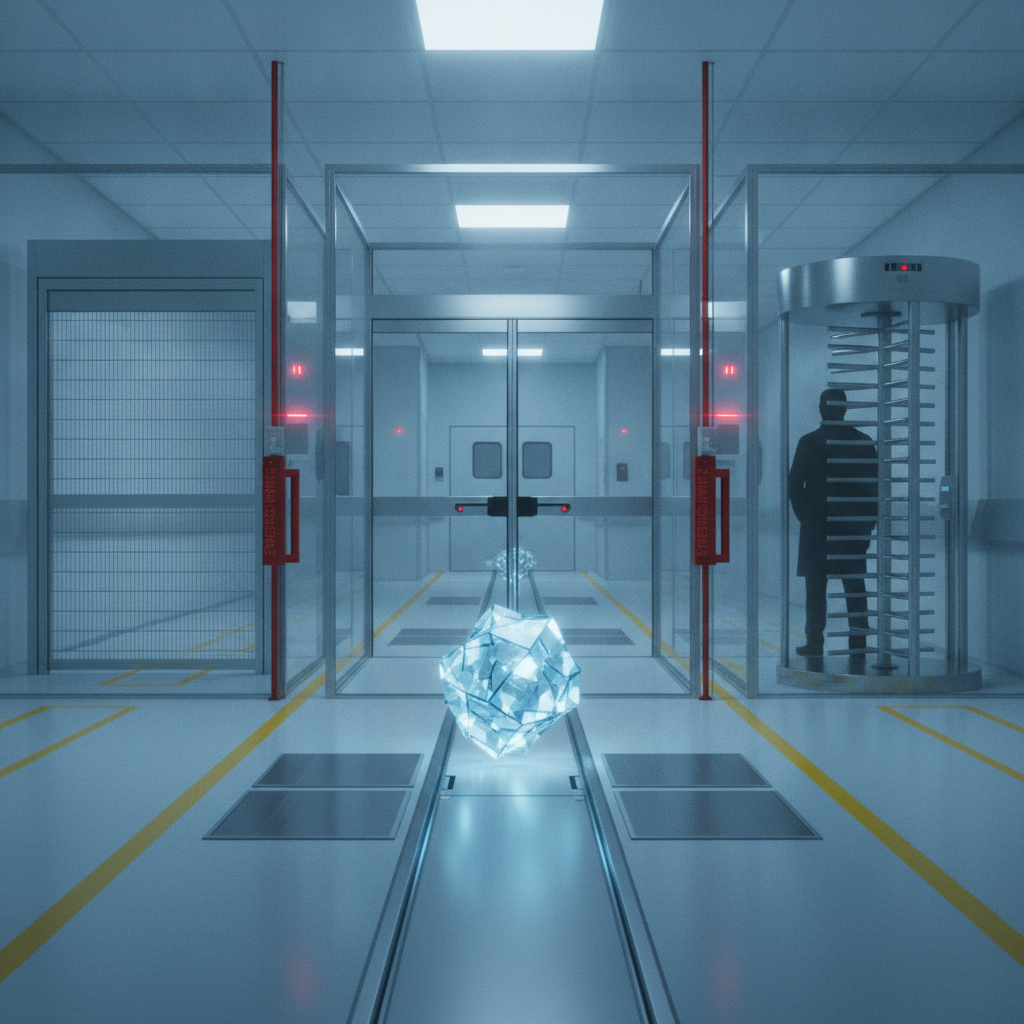
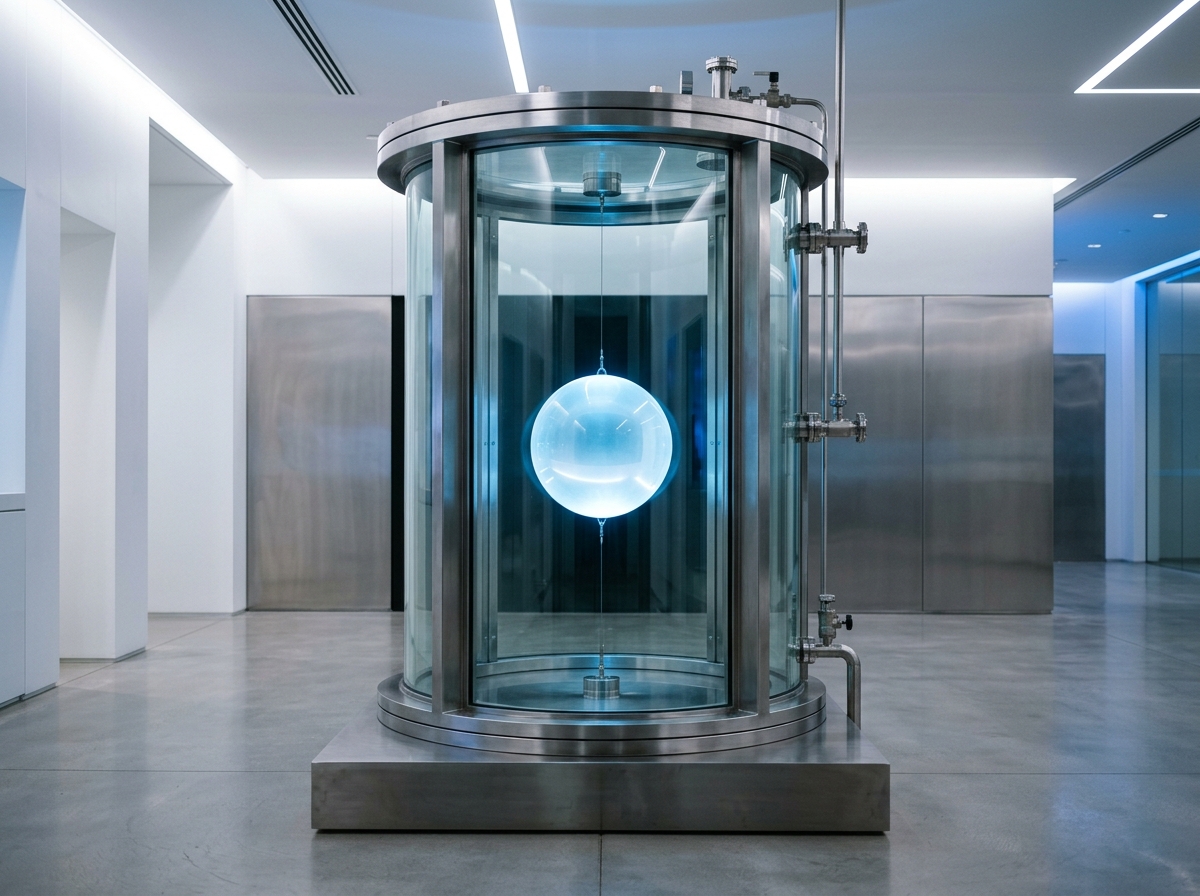
 ⬇️
⬇️
Key Takeaways
- Cohesity Clean Room gives HCLTech VaultNXT customers an isolated environment for investigating incidents and validating recovery data.
- Automated workflows, immutable copies and controlled access are designed to support faster, documented recovery after ransomware and other attacks.
- The managed model reflects growing demand for cyber recovery that addresses operational resilience, governance and regulatory evidence, not just backup restoration.
Cohesity has expanded its cyber recovery partnership with HCLTech by integrating a managed clean room service into VaultNXT, HCLTech's consulting-led cyber resilience offering.
The service combines Cohesity Clean Room and AI-based data security capabilities with VaultNXT's policy-based cyber vaulting, immutable recovery copies and managed controls. Customers can use the segregated environment to investigate an incident, contain threats, examine recovery points and validate data before restoring affected business systems.
Recovering directly into production can expose an organization to reinfection if malware, compromised credentials or manipulated data remain within a selected backup. A clean room creates a controlled space where technical and security teams can test recovery data without placing operational infrastructure at further risk.
Instead of asking only if the data can be restored, teams need to determine whether the data is trustworthy, whether the recovery process is documented and whether restored applications can return to service safely.
"Cyber recovery strategies need to go beyond restoring data to include investigation, validation, and trusted recovery," said the chief revenue officer at Cohesity.
According to IDC, 60% of enterprises are expected to collaborate on data through private exchanges or data clean rooms by 2028 (source). That prediction covers a broader clean-room market, including controlled data sharing and analytics, but it points to growing acceptance of isolated and governed computing environments.
Data clean rooms commonly associated with advertising and platforms such as Snowflake focus on privacy-preserving collaboration between parties. Cyber-recovery clean rooms serve a different operational purpose: investigating compromised environments, scanning protected data and rehearsing restoration away from production. Commvault is among the other vendors developing cleanroom recovery capabilities as the category matures.
For HCLTech, the managed approach appeals to enterprises that lack the personnel or specialist expertise to design, test and operate a ransomware recovery environment internally. A recovery architecture may look sound on paper yet still fail operationally if access policies, dependencies, forensic procedures and escalation paths have not been thoroughly tested.
Immutable backups solve only part of the recovery challenge. An organization still needs people and processes capable of selecting an appropriate recovery point, checking it for compromise, rebuilding dependent services in the right order and recording the decisions made during the incident. VaultNXT places those activities within a repeatable service model rather than treating them as an improvised response.
The offer is also designed to produce an audit-ready recovery record and support obligations associated with DORA and NIS2. The European Commission describes NIS2 as establishing a common cybersecurity framework for critical sectors across the European Union, including stronger risk-management and incident-reporting provisions. DORA brings a similarly operational focus to financial entities and their information and communications technology providers.
NIST has continued updating material around the Cybersecurity Framework (CSF 2.0), including references that map to ISO/IEC 27001:2022. Those baselines help organizations connect clean-room recovery procedures with existing governance, incident-response and information-security programs.
HCLTech contributes consulting capacity, managed operations and hybrid-cloud expertise, while Cohesity supplies the data-security and recovery technology. Cohesity, which works with customers in more than 140 countries, including two-thirds of the Global 500, also gains a broader service channel for its clean room capabilities.
Demand could be particularly pronounced in Australia and New Zealand, where regulated organizations increasingly need formal, repeatable recovery processes. The ANZ managing director at Cohesity indicated that recovery now involves investigating, validating and restoring within a controlled environment while maintaining confidence among customers, regulators and business leaders.
Still, a managed clean room is not a substitute for preparation. Its value depends on how accurately recovery priorities reflect the business, how frequently procedures are exercised and how well identity, application and infrastructure dependencies are understood. Cohesity and HCLTech are effectively betting that enterprises will increasingly prefer to address those moving parts through an operated service, before the next serious incident turns recovery planning into a live test.