 ⬇️
Key Takeaways
- Iowa data centers have attracted $15.1 billion, with another $38 billion announced for 2027 through 2031.
- Operating and planned capacity totals 7,581 MW, but grid access, permitting, and construction constraints could shape delivery.
- The expansion could support nearly 30,000 jobs and contribute more than $18 billion to Iowa GDP from 2027 through 2031.
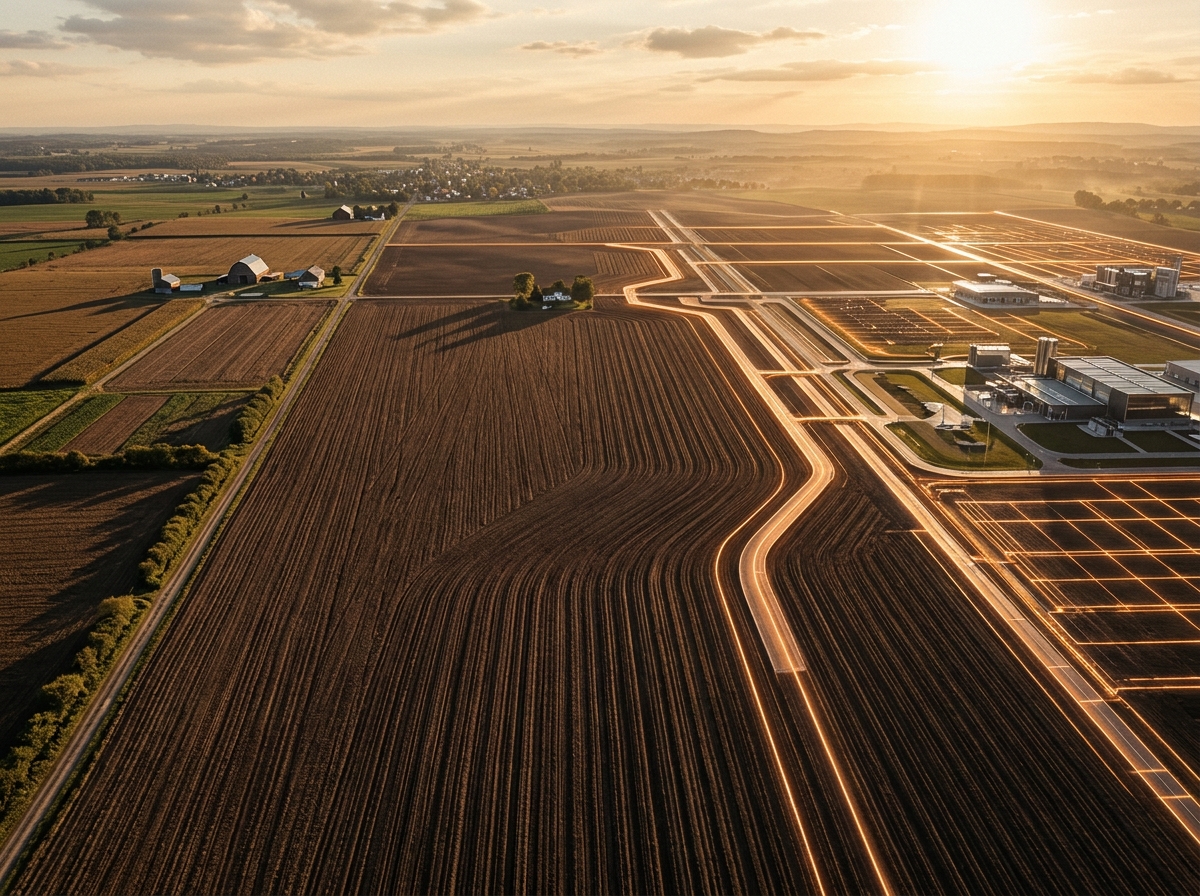
Iowa’s data center market is entering a much larger phase, with owners and operators having invested or announced plans to invest a combined $53 billion in buildings and equipment through 2031.
The estimate comes from the Common Sense Institute, which calculates that $15.1 billion has already been invested in data centers across the state. Announced projects for 2027 through 2031 account for another $38 billion. If those projects move forward as planned, their scale would reshape Iowa’s industrial base, electricity demand, construction pipeline, and technology workforce.
Capacity figures tell a similar story. Iowa currently has approximately 2,324 MW of operating data center capacity, ranking second among Midwestern states in total capacity and first on a per-capita basis. When operating and planned projects are combined, the total rises to 7,581 MW, placing Iowa fourth among 12 Midwestern states.
That includes 5,257 MW associated with announced projects expected by 2031. Announced capacity is not the same as completed capacity, of course. Projects can be delayed, resized, moved, or canceled as operators work through utility agreements and local approvals.
Available land is only a single factor in data center development. Developers also need substantial and dependable electricity, transmission access, fiber connectivity, water or alternative cooling designs, favorable permitting conditions, and communities willing to host large industrial campuses.
Those requirements are becoming harder to satisfy across North America. According to CBRE data reported by CBS2 Iowa, users absorbed 2,497.6 MW during 2025, an increase of 38% year over year. Vacancy across eight primary markets fell to 1.4%, while power procurement, zoning, and permitting constrained new construction.
That tight market could benefit Iowa. The state offers room for large campuses and already has a significant operator base, including Microsoft’s Iowa campuses and Google’s data center presence in Council Bluffs. Meta is another relevant participant in the state’s digital infrastructure sector, while QTS is developing a Cedar Rapids campus described as the city’s largest economic-development project.
MidAmerican Energy will also be central to the buildout. For hyperscale and artificial intelligence facilities, the decisive conversation increasingly starts with how much power can be delivered, on what schedule, and under which cost structure. A site with acreage and fiber but no practical path to energization is not truly development-ready.
Why is electricity now such a defining constraint? U.S. data centers consumed about 192 TWh of electricity in 2024, according to a Lawrence Berkeley National Laboratory estimate reported by Tri-City Local News. Continued growth in cloud services and AI computing is pushing operators toward higher-density infrastructure, which can increase both campus-level power requirements and cooling demands.
The operational details matter too. Owners building in Iowa will need to consider resilience goals associated with the Uptime Institute Tier Standard, along with thermal and environmental practices reflected in ASHRAE TC 9.9 guidance. Those considerations affect electrical redundancy, cooling architecture, equipment selection, maintenance procedures, and ultimately project cost.
Economic benefits could be substantial, though they will arrive in different forms. Common Sense Institute estimates the announced investment could support nearly 30,000 jobs and contribute more than $18 billion to Iowa GDP between 2027 and 2031. Construction employment, supplier activity, utility investment, and tax revenue may represent a large share of the near-term impact. Permanent data center staffing is typically smaller than the workforce required to build a campus.
Still, the broader ecosystem can extend well beyond server halls. Electrical contractors, engineering firms, network providers, equipment distributors, security specialists, maintenance companies, and technical training programs can gain business from a sustained development cycle.
The next test is execution. Iowa has established itself as a major Midwest data center location, but converting 5,257 MW of announced capacity into operating infrastructure will depend on grid upgrades, credible energy planning, predictable approvals, and community support. The $53 billion figure signals considerable demand. How much of it becomes operational by 2031 will reveal whether Iowa can turn that demand into durable digital infrastructure growth.