 ⬇️
⬇️
Key Takeaways
- The new 40 x 40 mm module combines image processing, 3 TOPS of AI performance and flexible connectivity in one design.
- Support for five cameras, 4K video and industrial interfaces broadens its use across security, automation, vehicles and robotics.
- Local inference can reduce latency and bandwidth use, but deployment teams still need to address interoperability, model governance and lifecycle support.
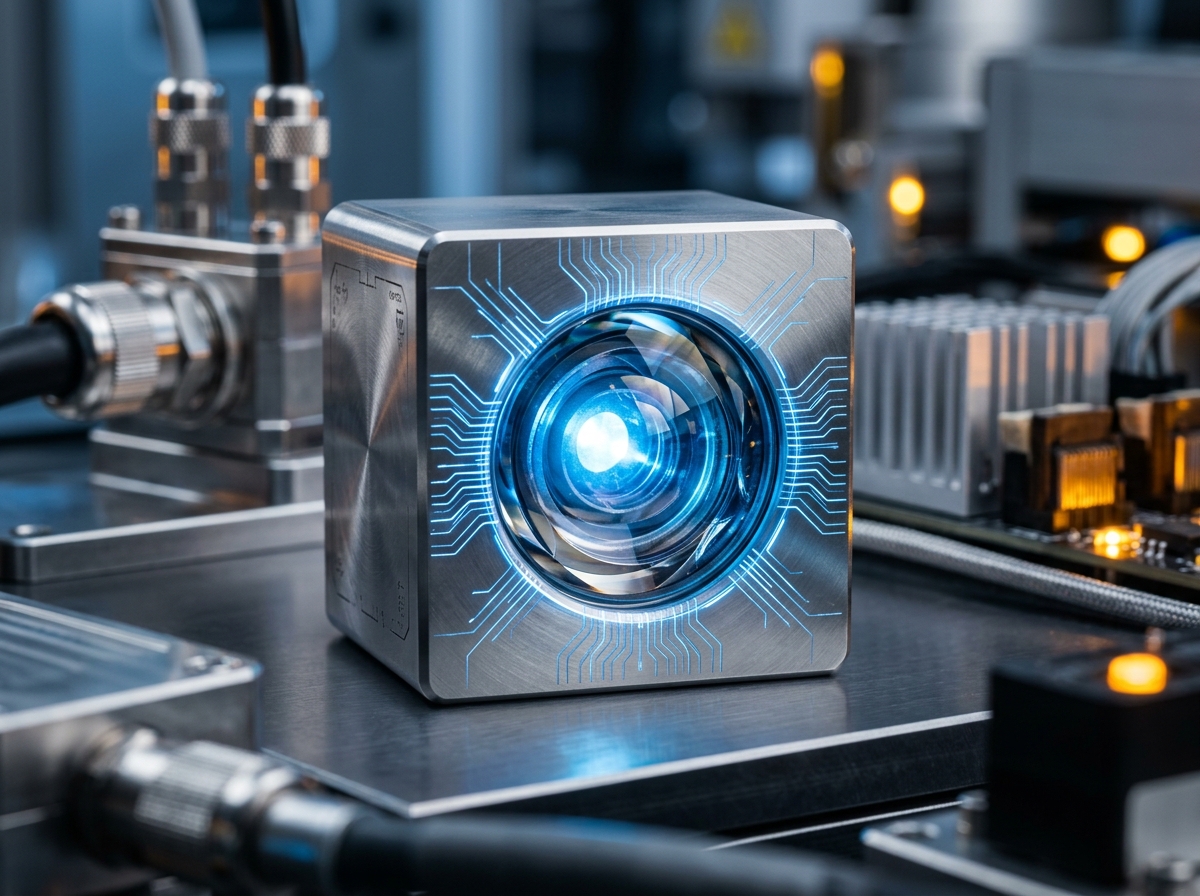
Quectel Wireless Solutions has launched the SE200ZC-AP, a compact smart module intended to shorten the development cycle for AI-enabled cameras, machine vision equipment and connected endpoints.
Built on the Rockchip RV1126B/RV1126BJ platform, the 40 x 40 mm module combines a quad-core ARM Cortex-A53 CPU with a 12-megapixel HDR image signal processor, an 8-megapixel AI-ISP and a neural processing unit offering up to 3 TOPS. It can encode 4K video at up to 45 frames per second and decode 4K video at 30 frames per second, including support for multiple simultaneous streams.
Those specifications place the SE200ZC-AP in a growing class of edge vision modules that process video and run inference near the camera rather than sending every frame to a remote cloud service. Research from Mordor Intelligence on modular machine vision systems points to increasing demand for configurable vision hardware across manufacturing and other automated environments.
The practical appeal is fairly straightforward. Local processing can improve response times, limit network traffic and allow selected functions to continue during intermittent connectivity. A factory inspection station, for example, could identify a suspected defect locally and send only the event and relevant images upstream. A security camera could use similar processing to distinguish an actionable alert from routine movement.
"With SE200ZC-AP, we're giving our customers a single, ready-to-deploy platform that combines vision, AI, and connectivity so they can focus on their application instead of reinventing the hardware underneath it," said the product development manager for smart modules at the company.
Processing capability is only one part of an embedded vision design. Cameras, networking, vehicle buses, positioning and operating-system support can consume substantial engineering time even when an AI model is already available. Quectel addresses this integration burden with Gigabit Ethernet, USB 3.0, dual CAN FD and connections for as many as five cameras.
The SE200ZC-AP comes with Linux/Debian preloaded. Manufacturers can also add external Wi-Fi, Bluetooth, GNSS and cellular connectivity, including LTE Cat.1 modems. That mix could support remote monitoring, location-aware equipment, spoken alerts and fleet-managed devices without forcing developers to redesign the central computing board for each connectivity option.
Multi-camera input matters in applications where a single viewing angle leaves blind spots. Robotic systems may combine navigation, depth and inspection feeds, while in-vehicle monitoring equipment may need separate interior and exterior views. Security deployments can likewise use several sensors around one processing point.
Market expectations help explain the timing. WiseGuyReports identifies edge AI modules as a developing market opportunity through 2035, while Fact.MR estimates that the edge vision modules market will grow from $737.7 million in 2025 to $6.574 billion by 2036, representing a 22.0% compound annual growth rate. Kings Research separately values edge AI in industrial automation at $6.14 billion in 2025 and projects it will reach $41 billion by 2033.
Competition will not rest solely on raw TOPS. NVIDIA Jetson and Intel Movidius remain important reference points in embedded vision, while the manufacturer uses Rockchip's RV1126 series to offer a more tightly packaged combination of video processing, inference and connectivity. Software tooling, model conversion, thermal behavior and long-term component availability will influence how engineering teams assess the options.
Deployment governance requires attention as hardware capabilities expand. Organizations using video analytics can draw on the NIST AI Risk Management Framework when considering model reliability and monitoring protocols. For networked security cameras, ONVIF compatibility can also affect interoperability with existing video management systems, although the vendor has not detailed certification or profile support in the initial specifications.
Commercial-grade and industrial-grade versions of the SE200ZC-AP are planned. The industrial model is rated for operation from -35°C to 80°C, making it relevant to outdoor equipment, vehicles and factory floors with wider temperature swings. Customer sampling and evaluation are expected soon, when manufacturers will be able to test whether the module's integration advantages carry through to production workloads.