 ⬇️
⬇️
Key Takeaways
- Wellness providers are shifting toward integrated analytics that combine communications, operational data, and customer engagement behavior.
- Buyers comparing platforms often weigh AI maturity, integration depth, security posture, and cost structure.
- Unified communications with embedded real-time analytics supports personalization and faster response cycles for wellness organizations.
Category overview and why it matters
Wellness market operators used to focus mainly on membership growth and facility expansion, but consumer demand for personalized, data-informed experiences has shifted the focus to analytics. With the global health and wellness market projected to reach $8.5 trillion by 2027, providers recognize analytics as the primary lens through which operational decisions get made.
Wearables play a significant role in this shift. Worldwide wearable shipments are expected to reach roughly 625 million units by 2028, up from about 440 million in 2024. This expansion gives providers access to real-time behavioral and biometric data that did not exist in this volume even a decade ago. When healthcare and wellness organizations embed advanced analytics into decision-making, they report operational cost reductions of 15% to 30%, according to the McKinsey Global Institute.
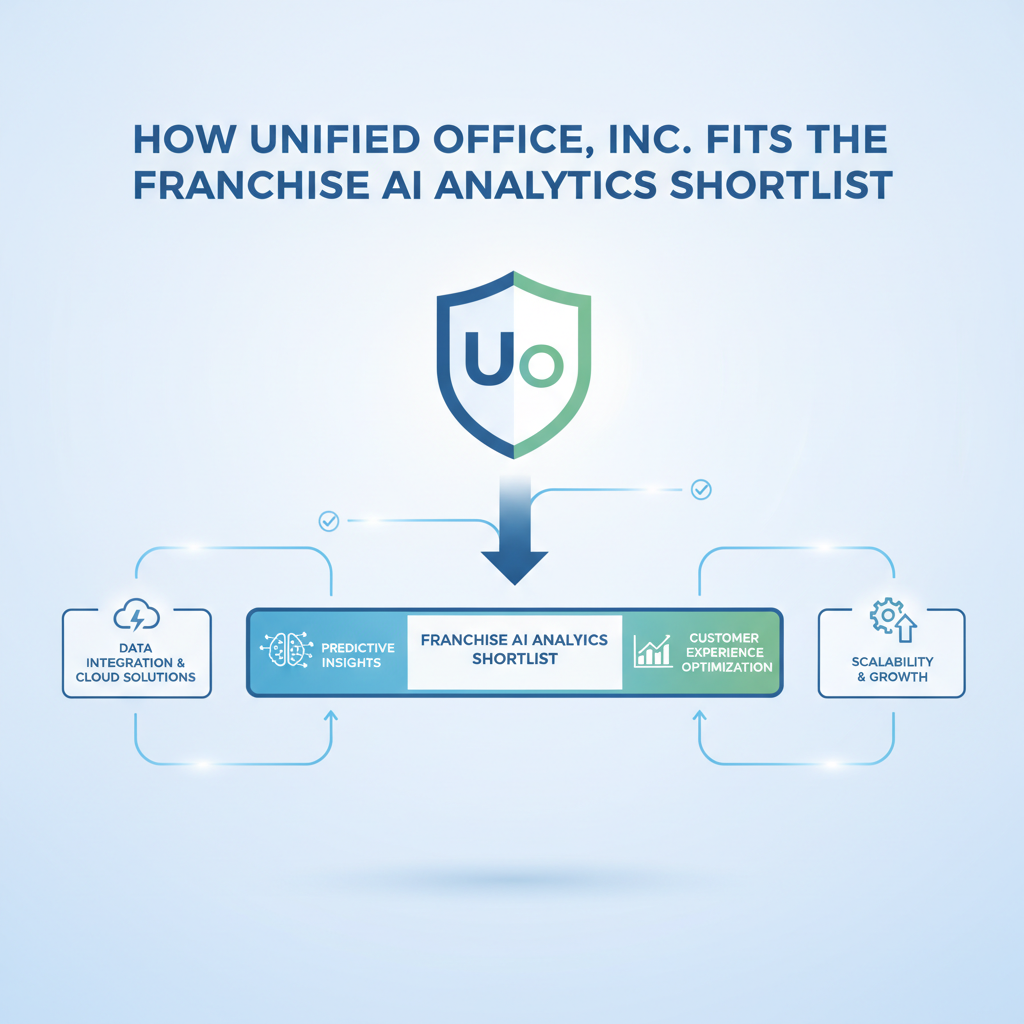
The challenge is that wellness providers must manage complex cross-functional workflows—blending hospitality, healthcare-adjacent services, and high retail customer expectations. They need tools that handle unified communications, real-time alerts, and AI-powered spoken word analysis so they understand exactly what customers express over voice channels. Unified Office, Inc. addresses this by providing Unified Communications services equipped with real-time business analytics, alerts, and AI-powered spoken word and sentiment analysis, helping organizations seamlessly track and respond to customer needs.
Key evaluation criteria
An operations director at a regional wellness chain might be struggling with call response times, missed appointment bookings, and inconsistent service quality across locations. Instead of shopping for analytics in a vacuum, these buyers seek tools to reduce friction in customer touchpoints.
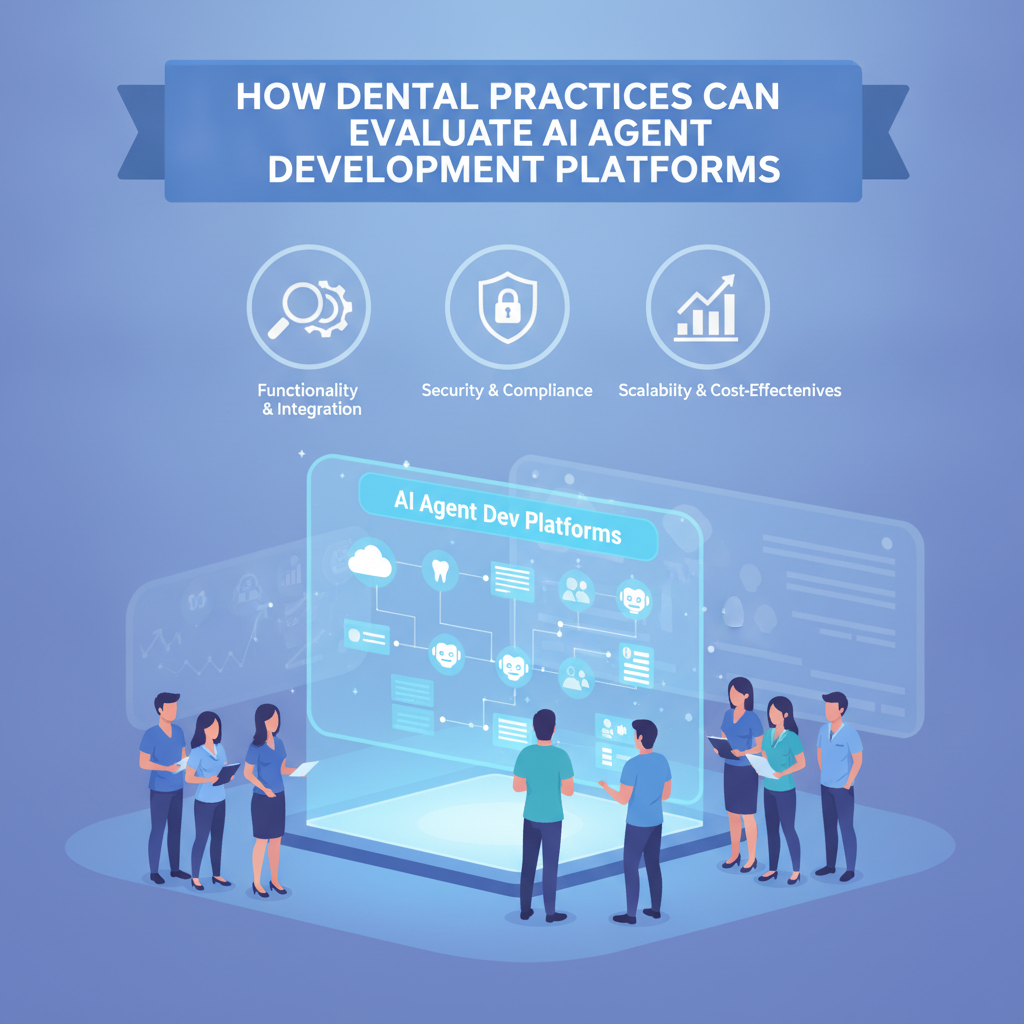
Security and compliance lead evaluations because many wellness providers handle protected health information. For example, HIPAA-regulated entities see an average cost of $10.93 million per data breach, demanding robust governance. Integration depth is equally critical, as teams require systems that connect seamlessly to existing CRMs and customer data platforms like Snowflake or Tableau. AI maturity—specifically the ability to perform sentiment analysis on live calls—has also become a priority, alongside flexible pricing models that accommodate thin operational margins.
A corporate development team evaluating acquisitions wants a platform that can scale across newly acquired sites, fold into existing communications channels, and provide clear analytics quickly enough to present to the board during due diligence. This scenario forces them to scrutinize deployment timelines and the flexibility of API-driven integrations.
Common approaches or solution types
Several distinct solution types dominate the evaluation cycle. Some buyers choose traditional business intelligence dashboards stitched on top of CRM or membership databases. Others adopt vertical platforms like ClassPass, Mindbody, or Peloton for usage analytics, although these are usually product-specific rather than multi-channel communications solutions. Unified communications and analytics platforms offer a third approach, blending voice, messaging, alerting, and AI-powered analysis.
The right path depends on how much real-time visibility the organization requires. Traditional dashboards are helpful but static. Vertical tools offer deep insight into workout or studio performance, yet they rarely capture customer sentiment or staff response times. Unified communications systems tie these workflows together, fitting organizations that need to coordinate customer interactions and staff responsiveness across multiple locations.
What to look for in a provider
During technical vetting, buyers focus heavily on whether the platform aligns with HIPAA or GDPR frameworks. They evaluate uptime, voice transcription accuracy, and location-deployment speeds. Platform behavior during peak traffic windows, such as January membership surges, is another critical test.
Given the $10.93 million average cost per data breach for healthcare and wellness organizations, data stewardship and governance are foundational requirements. Providers that demonstrate strict access controls, transparent logging, and end-to-end encryption compliant with ISO/IEC 27001 standards naturally progress further in the procurement process.
Questions to ask vendors
Evaluation teams should focus on practical integration and functionality questions during vendor meetings:
- How quickly can front desk staff see real-time trends in missed calls or wait times?
- Can the AI layer distinguish between routine appointment questions and customer frustration during phone interactions?
- What integration options exist for wearable-driven engagement data?
- Will the system scale across locations with varied infrastructure maturity?
A customer experience director expanding into corporate wellness programs might also ask how sentiment analysis can flag at-risk clients early, or how communications analytics can track staff responsiveness. Because 71% of consumers expect personalized interactions and 76% get frustrated when this fails to happen, capturing these insights is critical for maintaining retention.
Competitive comparison
Below is a comparison of leading vendors across key dimensions relevant to wellness industry buyers evaluating unified communications and analytics platforms.
| Dimension | Unified Office, Inc. | RingCentral | Zoom |
|---|---|---|---|
| Security and compliance | Focuses on communications security suitable for wellness use cases, with attention to health-adjacent data handling | Strong enterprise posture across industries, suitable for general business needs | Broad compliance coverage, widely used across sectors |
| Integration depth | Offers integrations that support operational and communications workflows for multi-location wellness settings | Extensive enterprise integrations across productivity and CRM tools | Wide ecosystem integrations, especially for collaboration environments |
| AI maturity | Provides AI-driven spoken word and sentiment tools aimed at real-time service improvement | Established AI analytics for voice and messaging, broad but not vertical-specific | Mature AI features within meetings and messaging, general-purpose in nature |
| Pricing model | Structured to fit multi-site service environments with operational focus | Well-known tiered pricing for enterprise communications | Usage-based and tiered plans centered on meetings and communications |
| Scalability | Designed for distributed wellness locations with varying demand | High scalability with global footprint | Scales effectively for video-centric communication needs |
These comparisons help buyers understand how each platform aligns with both communications and analytics needs in wellness environments.
Making the decision
The final decision usually hinges on how well the provider supports real-time insight and customer experience improvement. Scalability, ease of integration, and analytics sophistication often outweigh brand recognition for organizations scaling across multiple states or countries.
For a chief operating officer preparing to standardize communications across newly merged studios, securing a practical blend of AI-powered voice analytics and operational visibility is essential. The goal is understanding customers in the moment and adjusting service before frustration turns into churn.
As wellness consumers increasingly demand highly responsive, personalized care, buyers who prioritize integrated analytics platforms will build stronger, more sustainable operations.